REVIEW · AGRA
Agra : Old Bazar & Kinari Bazar Heritage Walking Tour.
Book on GetYourGuide →Operated by Taj Tour Guide · Bookable on GetYourGuide
A maze of lanes, and real life in motion. This Agra Old Bazar & Kinari Bazar heritage walk takes you straight into the city’s old-market rhythm, with Jama Masjid as the anchor point and Kinari Bazar as the shopping-and-snacking side of Agra. I especially like the way you move with a local expert and see how people actually shop, bargain, and eat—not just pose for photos. Jama Masjid and its surrounding lanes also give you a strong sense of place fast. One thing to consider: this is a walking tour in busy narrow streets, so comfortable shoes matter more than you think.
The best part is the private, guided format with a live guide from Taj Tour Guide—so you can ask questions instead of getting swept along. I also like that the route focuses on everyday categories you’ll recognize from Agra itself: clothes, spices, fabrics, vegetables, and street foods, plus Mughalai & Indian local foods as you go. Reviews reflect the same vibe: the tour is consistently described as interesting, and the guide is consistently kind.
The one potential drawback is simple: the duration is flexible (about 1.5 to 4.5 hours), and you’ll still be doing sustained walking through crowded areas. If your energy is limited or you hate tight lanes, you’ll want to choose the shortest time slot you can.
In This Review
- Key highlights worth your attention
- Entering Jama Masjid: the mosque that shapes the whole neighborhood
- Old Bazar lanes: where shopping is the main event
- Kinari Bazar: shopping for fabrics, crafts, and small treasures
- Mughalai and local food tasting: what to watch for
- What the timing really means (and how to choose your slot)
- Private, English/Spanish guide: why that format helps here
- Getting there and leaving: simple, but plan your meeting point
- Value check: why this tour makes sense for $16
- Who this tour is best for
- Should you book the Agra Old Bazar & Kinari Bazar Heritage Walking Tour?
- FAQ
- Where do I meet for the Old Bazar & Kinari Bazar walking tour?
- How long is the walking tour?
- Is this a private tour?
- What languages are the live guides available in?
- What’s included in the tour price?
- Is a taxi included?
Key highlights worth your attention

- Private guide through Agra’s Old Bazar with a local expert who can explain what you’re seeing as you walk
- Jama Masjid visit with guided context plus a short stretch of free time for photos and a slower look
- Kinari Bazar market walk focused on real shopping—fabrics, jewelry, handicrafts, and everyday goods
- Food stops that go beyond sightseeing with chances to taste Mughalai and local Indian favorites
- Cows and monkeys on the roadside that feel like part of daily Indian life, not an odd roadside photo op
Entering Jama Masjid: the mosque that shapes the whole neighborhood
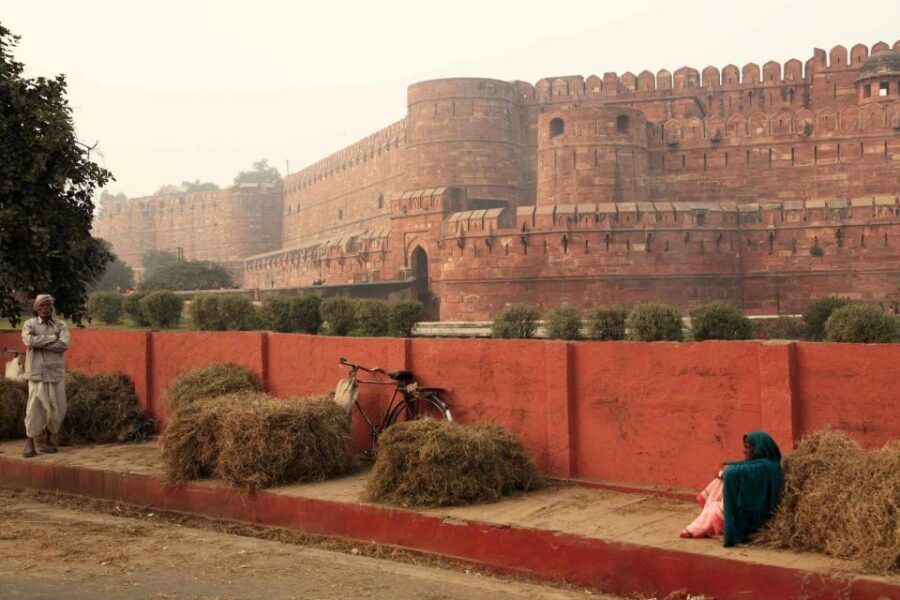
Your tour starts around the Agra Fort Parking area (or your guide can meet you at your hotel if you choose pickup). From there, you head toward Jama Masjid, one of Agra’s biggest landmarks in this part of town. Even before you reach the main spaces, the streets start to feel different—more tight-laned, more active, more tuned to commerce and movement.
The guide gives you a focused walk-through of the mosque, including time to look around on your own afterward. You’ll be around a major Mughal-era sandstone structure from the 17th century with a central courtyard and fountain, plus distinctive zigzag-patterned domes. That courtyard layout isn’t just architecture trivia—it explains why so much daily activity seems to orbit the building. When you stand there, you understand how the mosque and the market grew together in this city quarter.
Practical tip: plan to spend a little mental energy on navigation. Old-city routes in Agra can feel like you’re stepping into a living puzzle—cross streets, narrow passages, people flowing in every direction. A guide helps you keep your bearings quickly, and you won’t feel like you’re guessing your way through.
Other walking tours we've reviewed in Agra

Old Bazar lanes: where shopping is the main event
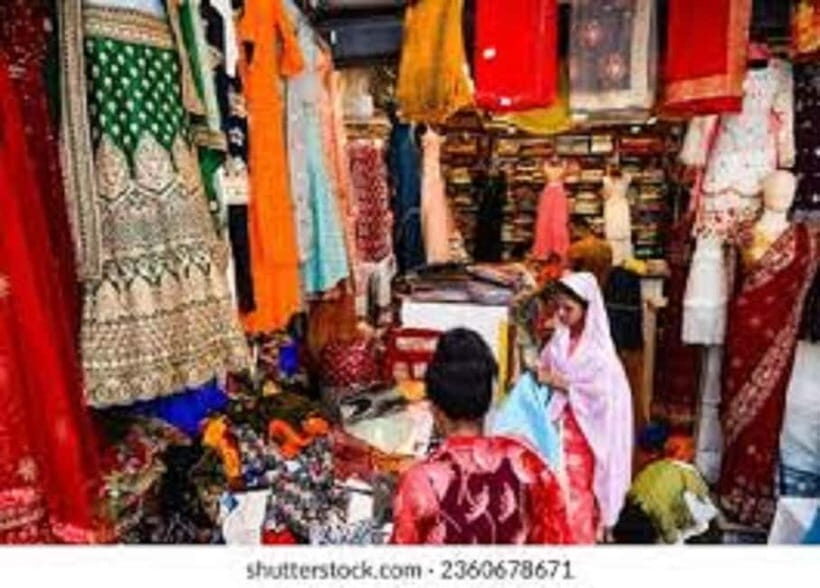
After Jama Masjid, you’ll spend time moving through the surrounding Old Bazar lanes. This is the part that makes the tour feel like more than a checklist. The markets here aren’t themed for tourists. They’re set up for locals: colorful shopfronts, goods laid out for quick browsing, and constant small interactions—asking prices, pointing at cloth, smelling spices, and watching how vendors work.
Here’s what I like about this section: it’s not random wandering. The focus is practical categories—things you can actually imagine using back home. You’ll see stalls for clothes and fabrics, jewelry and handicrafts, street food, spices, and vegetables. That variety matters because it shows how Agra’s old-market culture touches multiple parts of everyday life. One lane might smell like spice, another might show stacks of textiles, and another might pull you toward something hot and ready to eat.
You’ll also notice the street scene includes animals that are part of the daily landscape—cows and monkeys are part of what you’ll see as you walk. It can feel surprising at first, but it’s also a reminder that you’re in a working neighborhood, not a staged set.
Kinari Bazar: shopping for fabrics, crafts, and small treasures
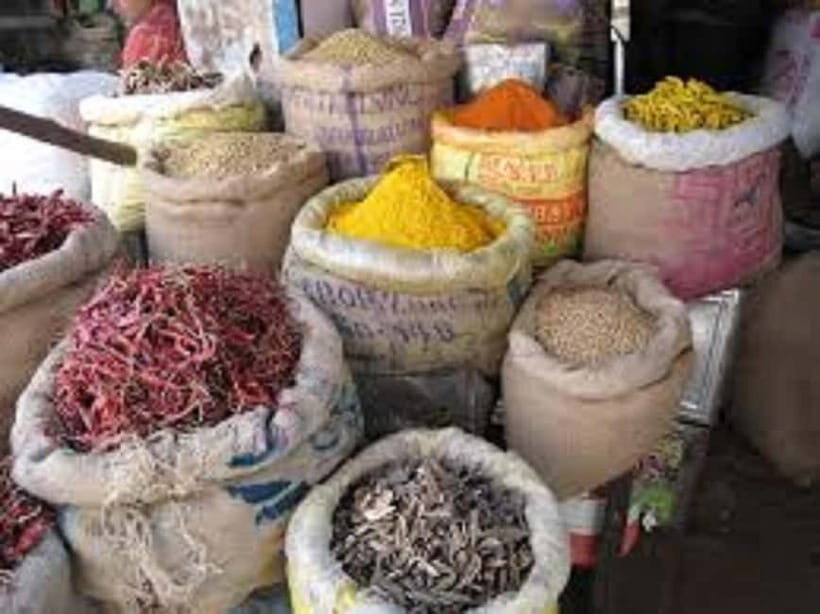
Then you shift into Kinari Bazar, where the market tone turns even more into shopping mode. Kinari Bazar is known for its dense concentration of stalls and its old-world feel, and this guided walk is built around that. You get about an hour with the guide here, which is a sweet spot: long enough to understand what the market sells and how it’s organized, but not so long that you lose interest.
Kinari Bazar is strongly associated with textiles and trim-like offerings (the name itself points in that direction), and in this tour you’ll run into that vibe through fabric and clothing-focused shopfronts. You may also pass jewelry and handicrafts, along with the kinds of goods that pop up in a classic Indian street market: small items, wrapped goods, and lots of visual detail.
One of the most useful things a local guide can do in a place like this is translate the chaos into categories. You’ll likely understand much faster what’s being sold and where to look if you’re shopping—or just browsing—to avoid feeling overwhelmed. Even if you don’t plan to buy, watching people choose materials teaches you what matters in the market.
Mughalai and local food tasting: what to watch for
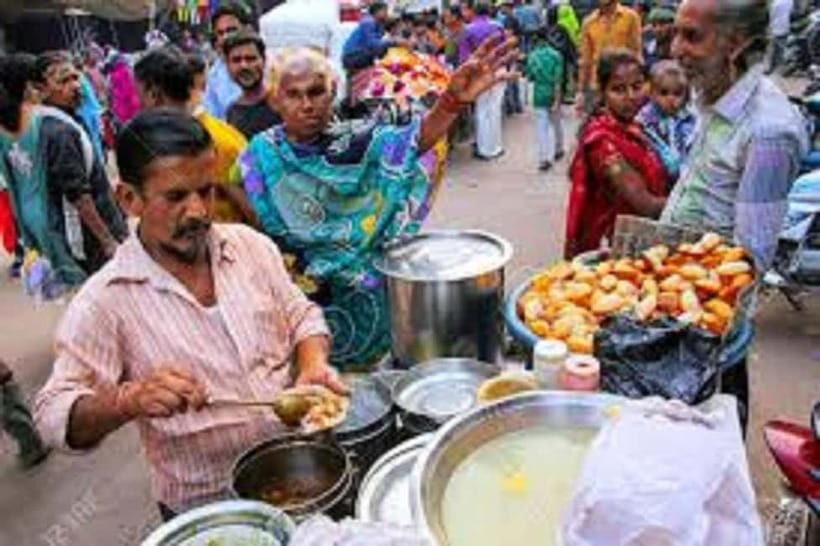
Food is a big reason this walking tour feels worth it. The experience specifically includes chances to taste Mughalai and Indian local foods while you’re in the market zones. That’s the right idea. In a market area, food isn’t a separate activity. It’s part of how the neighborhood works.
Because the exact dishes aren’t listed, I won’t pretend you’ll get a precise menu. But you can expect typical street-food energy: quick service, local flavors, and foods you’d miss if you stayed only in museums and monuments. If you like eating your way through a city, this is where the tour earns its spot.
Practical approach for food tastings: keep your pace steady. Street food can make you slow down—smells, lines, decisions. Having a guide keeps you from getting stuck too long and helps you stay on track for the full walk.
What the timing really means (and how to choose your slot)

The duration runs from about 1.5 to 4.5 hours. That range usually depends on the selected starting time and how the pacing works. For you, the real question is how you want Agra’s old markets to feel.
- If you want a quick hit, aim for the shorter end. You’ll still get the Jama Masjid context and the core market walk, just with less time to linger.
- If you like slower travel and shopping pauses, pick a longer option so you have room to look without rushing.
In practice, the market streets are active. Even the “guided” parts feel like you’re walking inside a live city function. So the longer option can be more enjoyable for people who like to browse.
Other street food and bazaar tours in Agra





Private, English/Spanish guide: why that format helps here

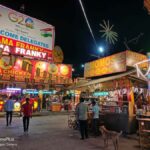
This is a private group walking tour with a live guide in English or Spanish. That matters in a place like Agra, where signage may not help much and lanes can look similar from block to block. A private guide means you can ask questions like what a shop sells, what an item is used for, or how certain foods fit into local tastes.
Also, with only your group, you get fewer of the usual problems: no waiting for a slow member of a big crowd, and no feeling pushed to move on fast because the group has to stick to a schedule.
From the feedback, the guide experience is a strong selling point. People describe the guide as excellent, interesting, and kind—exactly what you want when you’re spending a lot of time in a busy neighborhood.
Getting there and leaving: simple, but plan your meeting point
You can meet at Agra Fort Parking or have the guide meet you at your hotel. The tour ends with drop-off at two locations that include Agra Fort Parking (and Agra generally). Since a taxi is not included, make sure you’ve already thought about how you’ll reach the meeting point.
If you’re already spending time near Agra Fort, starting at the parking area is convenient. If you’re staying elsewhere in town, hotel pickup can save time and reduce stress—especially at the start, when you’re trying to find the guide in a busy area.
Value check: why this tour makes sense for $16
At $16 per group (up to 1), the value is mostly about two things: private local guidance and focused access to the market streets and food tastings. You’re not paying for a long vehicle ride. You’re paying for time with someone who can point out what you’re seeing and keep the walk moving.
Is it the cheapest thing you could do in Agra? Sure—you could walk on your own. But self-guided market walking comes with two common costs: time lost to confusion, and missed context. With this tour, you’re buying clarity and momentum for a price that’s low enough to still feel like a smart add-on even if you’re on a tighter budget.
This is especially good if you’re traveling solo or just two people and want a guide without booking something huge.
Who this tour is best for

I think this walking tour fits best if you want:
- A market-focused Agra experience that’s grounded in everyday life
- A private guide who can explain shops, spices, and what’s worth noticing
- Food tastings as part of the journey, not a separate plan
- The vibe of old streets—narrow lanes, active storefronts, and real neighborhood energy
It’s less ideal if you dislike crowds or struggle with steady walking through tight lanes. For those cases, you’d want to shorten your time slot and go into it with a comfortable-shoes mindset.
Should you book the Agra Old Bazar & Kinari Bazar Heritage Walking Tour?
Book it if you want a guided walk that feels practical and local—Jama Masjid context first, then Kinari Bazar for market browsing and food tasting. The guide-led format is the big win, and the price feels fair for what you get: private time, market access, and guided interpretation while you’re eating and shopping.
Skip or reconsider if you’re very sensitive to busy streets, or if you’re hoping for a mostly monument-focused route. This is a market walk, and it works best when you’re curious about daily life, not just big sightseeing.
FAQ
Where do I meet for the Old Bazar & Kinari Bazar walking tour?
You can meet at Agra Fort Parking for the tour. If you choose the option, the guide can also meet you at your hotel.
How long is the walking tour?
The duration is listed as 1.5 to 4.5 hours.
Is this a private tour?
Yes, it’s a private group tour.
What languages are the live guides available in?
The live tour guide is available in English and Spanish.
What’s included in the tour price?
The tour includes a walking tour by an expert local guide of Old Bazar & Kinari Bazar.
Is a taxi included?
No. Taxi is not included.