Agra has secrets beyond the Taj. This 2–3 hour private walking tour takes you through local sites most people skip, from Jama Masjid to old markets, plus a taste of the city’s famous pethe. I love that the tour is led by an English speaking local guide who can explain what you’re seeing in plain, useful terms, and I love that transportation is provided, so you are not doing nonstop walking across the whole city.
The pacing is built for real street life: short stops for photos and stories, then quick hops to the next neighborhood. You will spend time at places like the Kinari Bazar shopping lanes and the Subash Bazar wholesale clothing vibe, then wrap with a look at smaller Agra spots that are easy to miss on your own.
One possible drawback: the time per stop is fairly short on paper, so if you want extra time at an entrance, photo spot, or market stall, plan to ask your guide early for a little more attention.
In This Review
- Key things I’d circle on your map
- Why this Agra walking tour feels different than the Taj routine
- Getting there: pickup, mobile ticket, and how the 2–3 hours work
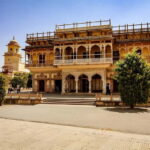
- Jama Masjid: one of Agra’s biggest mosque stops
- Shri Mankameshwar Mandir: a 650-year-old storytelling pause
- Agra Fort Railway Station: British-era architecture you can’t see from the highway
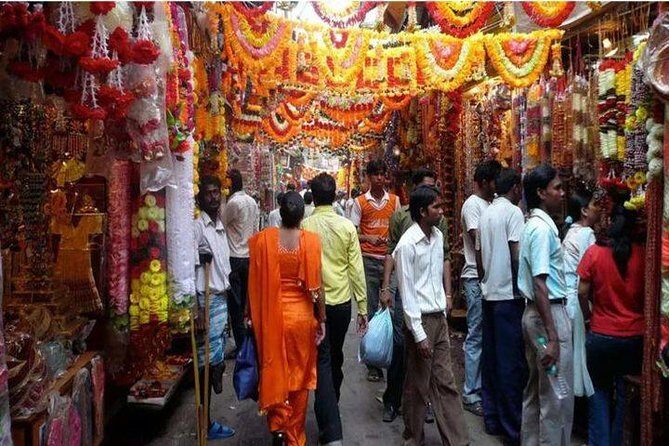
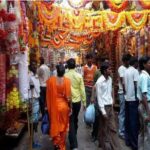
- Kinari Bazar: the old-market feeling that hits fast
- Gopal Das Pethe Wale Johri Bazar: pumpkin pethe time
- Subash Bazar: wholesale Indian wear chaos in the best way
- The extra 25 minutes: small Agra lanes you miss alone
- What I’d pack and plan for this style of tour
- Pricing value: why $11 can make sense here
- Who should book this tour, and who might not love it
- Should you book this Agra walking tour?
- FAQ
- How much does the Agra walking tour cost?
- How long is the tour?
- Is this tour private?
- Is pickup available?
- Is an English speaking guide included?
- What are the main stops on the itinerary?
- Are entrance tickets included?
- Does the tour include food?
- Where does the tour start and end?
- What is the cancellation policy?
Key things I’d circle on your map
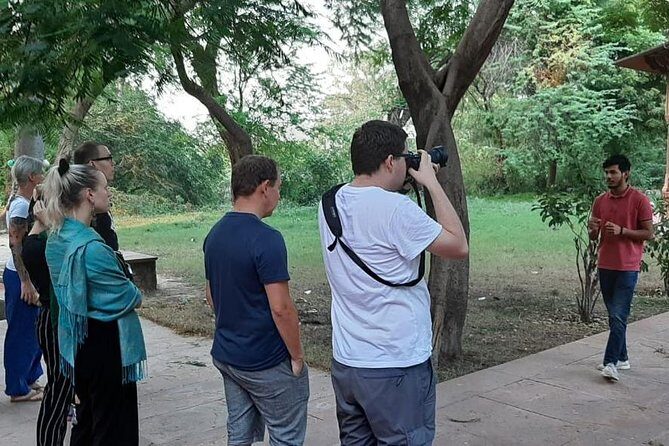
- Private guide, local English: you get explanations that connect the dots instead of just directions.
- Transportation included: less tiring backtracking, more time looking closely.
- Stops you don’t usually see on day tours: Jama Masjid, Shri Mankameshwar Temple, and Agra Fort Railway Station.
- Old-city markets with character: Kinari Bazar and Subash Bazar feel like living neighborhoods, not set pieces.
- Pethe tasting time built in: you get the chance to try Gopal Das Pethe Wale Johri Bazar, with the sweet included.
- Short, focused itinerary: around 2 hours 20 minutes of scheduled stops, with extra street wandering at the end.
Why this Agra walking tour feels different than the Taj routine
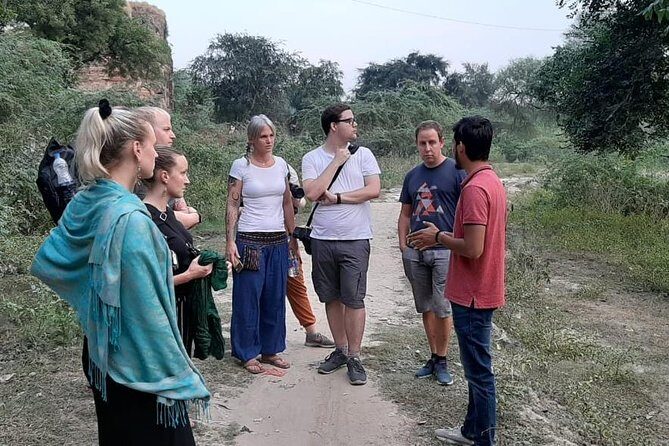
If your Agra plan is only about one monument, you’ll leave with great photos and almost no sense of daily life here. This tour is built to do the opposite. You start at Jama Masjid, then move through a 650-year-old temple, a historic train station, and multiple markets where locals actually shop.
What I like is that it is not trying to cram in big-ticket sights. Instead, it focuses on places with texture: an active mosque area, a temple with long stories behind it, and markets where you can see how people dress, bargain, and buy food. Even the “small places” toward the end matter, because that is where Agra starts to feel like a real city and not just a tourist checklist.
You also get a guide who can answer the obvious questions: What is this place used for? Why does it look the way it does? What should you notice as you pass by?
Other walking tours we've reviewed in Agra
Getting there: pickup, mobile ticket, and how the 2–3 hours work
This tour is priced at $11 and runs about 2 to 3 hours. That duration matches the itinerary timing: roughly 20 minutes at each main stop, plus a shorter sweet stop and a final block of street wandering.
Because transportation is provided (and pickup is offered), you should expect a mix of walking and quick rides between clusters of streets. That matters in Agra, where heat, traffic, and crowd flow can make a “walk-only” plan feel stressful fast. Here, you keep your legs for the bits that are worth it—alleys, markets, and the moments outside key buildings—then you rest between areas.
You will use a mobile ticket, and the tour is a private activity, so only your group participates. I also found it helpful that the meeting point is anchored around Jama Masjid and the nearby old bazaar areas like Subash Bazar and Kinari Bazar. That makes it easier to orient yourself at the start.
One more thing: the operator runs this within broad hours (4:00 AM to 10:00 PM). So you can often pick a time that suits your day, whether you want early streets or later evening energy.
Jama Masjid: one of Agra’s biggest mosque stops
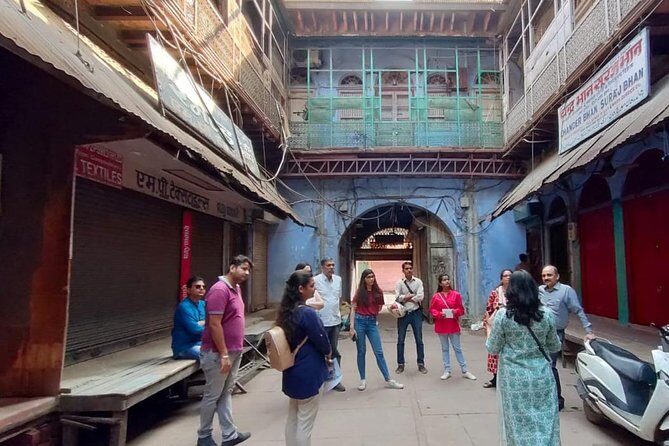
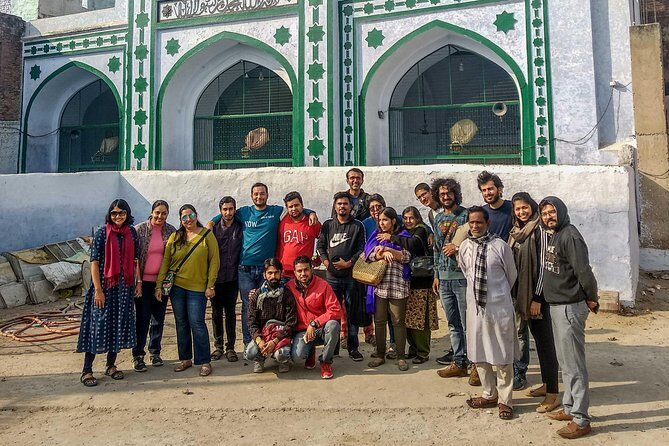
Your first major stop is Jama Masjid, one of the biggest mosques of the city. The visit time is about 20 minutes, with admission listed as free.
What makes this stop work on a short tour is that you are not treating it like a sightseeing box. A good guide will help you understand what you’re looking at as you approach, and then you get enough time to really notice the setting rather than rush through.
Practical note: mosques often have rules about dress and behavior, and you may need to move with the flow of worshippers and visitors. Keep your voice low, dress respectfully, and plan to follow your guide’s cues about where to stand, where to walk, and what to avoid during busy moments.
If your guide happens to be someone like Ritik—the kind of energetic, history-minded local who can talk through what you’re seeing—this first stop can set the tone for the entire tour.
Shri Mankameshwar Mandir: a 650-year-old storytelling pause
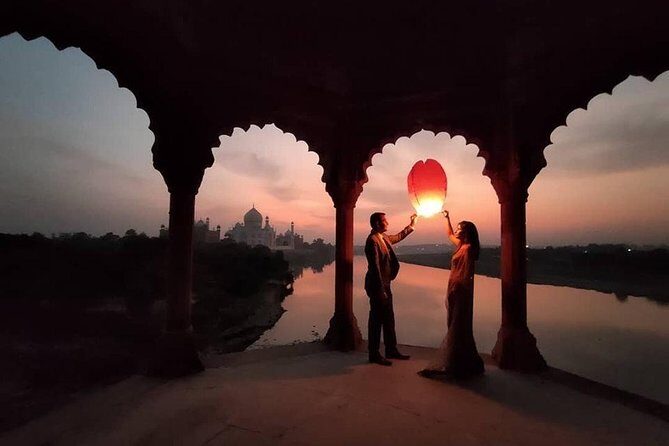
Next you head to Shri Mankameshwar Mandir, another 20-minute stop with admission free. The key detail here is the age: it’s described as 650 years old, and the guide will share stories connected to the temple.
In a short city tour, temples can get reduced to quick photos. This stop avoids that by giving you time for explanation. You are there long enough to feel the place as something lived-in and meaningful, not just a carved backdrop.
What I’d watch for: temple interiors can be more crowded depending on the time of day. If you have mobility challenges, you may want to let your guide know at the start so they can suggest the easiest viewing spots within the time window.
Agra Fort Railway Station: British-era architecture you can’t see from the highway
One of the most interesting parts of this tour is the stop at Agra Fort Railway Station. You get about 20 minutes, and admission is included.
This station is described as the oldest in the city, built by the Britishers, with rare architecture and a long list of stories attached to it. The reason this stop feels valuable is simple: it is not a typical monument stop. You experience it from street level, where the station blends into local motion.
It is also a great contrast to the mosque and temple stops. You are still in the old city layer, but the angle is different. Instead of spiritual architecture, you see how rail infrastructure shaped movement and life here.
If you like architecture, trains, or just quirky urban history, this is the stop that can surprise you—in a good way.
Other walking tours we've reviewed in Agra



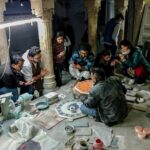
Kinari Bazar: the old-market feeling that hits fast
Then you move into Kinari Bazar, a market described as 400 years old, also with about 20 minutes and free admission.
This is where the tour shifts from landmark mode into market mode. Kinari Bazar is the kind of place where you notice details: shopfront rhythms, hanging goods, crowded lanes, and the fast back-and-forth of buying and selling. Even if you do not plan to shop, it helps you understand the city’s economic heartbeat.
A guide makes a difference here. With local context, you can tell which stalls sell what, what is common in local wedding or festive shopping, and what to look at if you just want to browse.
Gopal Das Pethe Wale Johri Bazar: pumpkin pethe time
Next comes the food moment: Gopal Das Pethe Wale Johri Bazar. You get around 15 minutes, and admission is included.
The tour description highlights a specific detail: pethe made from white pumpkin. If you have never tried it, this is a very manageable first taste because you do not have to hunt around to find the right place. You get short, focused time to sample.
How to make this easy:
- If there are multiple types, ask what the shop recommends as the classic version.
- Keep water nearby, since sweets can feel heavy in Agra’s heat.
- Try to buy what you will actually eat right then, since the tour is short.
This stop is also smart for pacing. After markets and street walking, you get a break that still feels like part of the culture, not a random tourist cafe.
Subash Bazar: wholesale Indian wear chaos in the best way
Your next market stop is Subash Bazar, with about 20 minutes and free admission.
Subash Bazar is described as the clothes paradise for locals, specifically a wholesale market for Indian wear. In practical terms, that means you will likely see fabrics, ready-made garments, and heavy foot traffic. It is the kind of place where you can watch how shopping works when you are not the main customer demographic.
Don’t force yourself to buy anything. I think the value here is observation: how people move through the stalls, how shopkeepers talk through options, and how styles connect to daily life and events.
If you want to do some light shopping, do it after you’ve seen the other market lanes. You’ll compare faster because you will recognize categories by then.
The extra 25 minutes: small Agra lanes you miss alone
The last scheduled stop is called Agra, and it’s about 25 minutes. This is where you explore smaller places whose location might not be easy to find on your own.
This portion matters because it turns the tour from a sequence of stops into a real walk through neighborhoods. It’s also the section where your guide can tailor what you see based on your interests—food, architecture, local shop life, or simple street photography.
I like this style of ending because it gives you time to breathe, ask questions, and ask your guide to point out the little stuff you would otherwise ignore: street signs, doorway details, and the shape of the market flow.
What I’d pack and plan for this style of tour
Because this is a walking tour in active market zones, comfort matters more than fancy. Here’s what you should plan for based on the itinerary style.
- Footwear: you’ll be walking through lanes and market floors, so comfortable shoes beat pretty ones.
- Water and a small snack strategy: pethe is included, but food is not listed as included overall. If you get hungry fast, grab a drink before you start.
- Heat and sun: even with transport between areas, you’ll still spend time outside at each stop.
- Respectful clothing: you will be visiting a mosque and a temple, so dress to fit a conservative setting.
- Cash for small buys: the tour includes certain admissions and the sweet stop, but personal shopping expenses are not included.
Also, since this is a private tour, you can usually ask your guide to adjust the pace within reason. If you want to linger longer at Kinari Bazar or get one extra photo near Agra Fort Railway Station, it helps to ask early.
Pricing value: why $11 can make sense here
At $11, you are not paying for a long sightseeing day. You’re paying for three things that matter in a place like Agra:
- Time-saving guidance: the guide points out what’s worth your attention and what is just noise.
- Transportation between clusters: that alone makes the experience easier than a DIY loop.
- A local food stop: the pethe stop includes admission, meaning you get a structured sweet tasting moment rather than hunting.
If you compare this to longer, monument-heavy tours, the value comes from focus. You get several key neighborhood experiences—mosque area, historic temple, British-era station, two markets, and a dessert stop—without paying big tourist-city prices.
That said, remember it’s still time-limited. The stops are designed to fit the schedule, not to turn into hour-long hangouts. If you want a slower pace or deep spending time, you may want to ask for adjustment up front.
Who should book this tour, and who might not love it
This tour is a strong fit if you want:
- Local Agra beyond the Taj Mahal photo route
- A walk that is manageable, with help via transportation
- A mix of religious sites and market life, not just landmarks
- A guide who can explain what you’re seeing in real-world context
It may be less ideal if you are the type who wants:
- Long, slow stays at each stop with zero schedule pressure
- A lot of downtime and shopping time
- A detailed museum-style experience with extended indoor time (this is more street-level and market-focused)
If you’re booking because you like guides with energy, you may be in for a great time. Some guides associated with this kind of tour are known for being full of motion and clear explanations, like Amit, or for being easy company and restoring confidence in local guiding, like Ritik. Even without knowing your guide in advance, the tour style tends to reward curiosity and good questions.
Should you book this Agra walking tour?
I’d book it if you want to see how Agra works on the street, in a short window, for a small price. The itinerary covers a useful mix: a major mosque, a centuries-old temple, an unusual historic railway station, then the old bazaars and a pethe stop. That combination is hard to recreate cheaply and correctly on your own.
I’d be cautious if you expect a long, leisurely 3-hour wander with lots of flexibility at each stop. In that case, do yourself a favor: set expectations with your guide early. Ask how you’ll handle time at the mosque entrance areas, the station, and the market browsing so you get what you came for.
If you like your travel days practical, street-smart, and human, this one fits.
FAQ
How much does the Agra walking tour cost?
It costs $11.
How long is the tour?
The tour lasts about 2 to 3 hours.
Is this tour private?
Yes. It is a private tour/activity, so only your group participates.
Is pickup available?
Pickup is offered, and transportation is provided during the tour.
Is an English speaking guide included?
Yes. The tour includes an English speaking local guide.
What are the main stops on the itinerary?
You will visit Jama Masjid, Shri Mankameshwar Mandir, Agra Fort Railway Station, Kinari Bazar, Gopal Das Pethe Wale Johri Bazar (pethe stop), Subash Bazar, and then additional smaller places in Agra.
Are entrance tickets included?
Admission is free for Jama Masjid and Shri Mankameshwar Mandir. Admission is included for Agra Fort Railway Station and the Gopal Das Pethe Wale stop. Admission for the markets is listed as free.
Does the tour include food?
Food expenses are not included, but the pethe stop has admission included, so you will have that sweet time during the tour.
Where does the tour start and end?
It starts at the Jama Masjid Agra meeting point and ends back at the meeting point.
What is the cancellation policy?
You can cancel for a full refund up to 24 hours in advance. If it’s canceled due to poor weather, you’ll be offered a different date or a full refund.