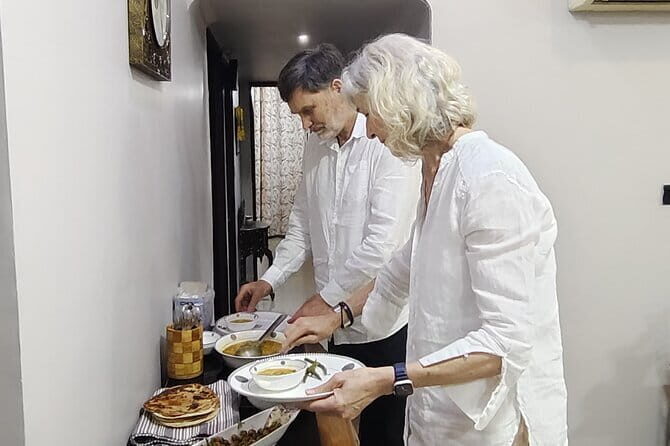
REVIEW · AGRA
Cooking class with taj
Book on GetYourGuide →Operated by Explore taj · Bookable on GetYourGuide
Dinner starts before you even pick up a spoon. That is because you begin with masala tea and then get taught how to cook Indian veg dishes in a real home-style kitchen, plus you practice henna and sari the same evening. One thing to consider: the cooking time can feel more like watching a lesson than going full chef, depending on the group and flow.
This is also a sharp value play. You get a small group (up to 10), English-speaking instruction, and a proper sit-down dinner using the same food you helped prepare. At $5, it is hard to beat, but I recommend confirming your exact time and contact details in advance since one booking issue has been reported.
In This Review
- Key Things You’ll Notice in This Cooking Class
- Why This Agra-Area Kitchen Class Feels Personal
- First Stop: Masala Tea Welcome and the Family-Style Orientation
- Henna and Sari: Culture Lessons That Actually Fit Into Dinner Time
- What You’ll Cook: Veg Indian Food, Masalas, and Real Ingredient Handling
- The Tea-Spice Connection (And Why It Works for Beginners)
- Dinner Included: Eating the Same Food You Learn
- Price and Value: What $5 Buys You (And What It Doesn’t)
- Group Size and Interactivity: What “Small Group” Means in Practice
- Practical Tips: Shoes, Camera, and How to Make the Most of 3 Hours
- Who Should Book This Cooking Class With Taj?
- Should You Book It?
- FAQ
- How long is the cooking class?
- Is this a small group?
- Will the instructor speak English?
- Is the food vegetarian?
- Do they teach henna and sari?
- Is pickup included?
- What’s included in the price?
- What should I bring?
- Is it suitable for children?
- Is free cancellation and pay later available?
Key Things You’ll Notice in This Cooking Class

- Masala tea welcome and a meal you actually eat: you start with tea and end with dinner built from what you learn
- Henna and sari lessons included: culture lessons happen right alongside cooking
- Vegetarian cooking in a hygiene-focused kitchen: you’ll handle classic ingredients and spices
- Small group setup (10 max): better chances to ask questions in English
- Hands-on cooking may vary: some groups cook more than others—ask early if you want more action
- Value is the headline: this pricing is unusually low, so it pays to show up ready and engaged
Why This Agra-Area Kitchen Class Feels Personal

Cooking classes can be either super staged or surprisingly real. This one leans real, the kind of setup where you’re not just learning recipes—you’re being treated like someone joining the household for a few hours.
I like that it mixes food with culture. You don’t only get a menu and a timer. You get a lesson on Indian customs through henna and how to wear a sari, then it turns right back to practical cooking skills and seasoning technique.
Still, treat it like a casual family activity, not a strict culinary school. One downside you should expect: the hands-on part can be limited. If you want to chop, stir, and do the steps yourself, you should ask directly for more participation once you’re inside the kitchen.
Other cooking classes in Agra

First Stop: Masala Tea Welcome and the Family-Style Orientation
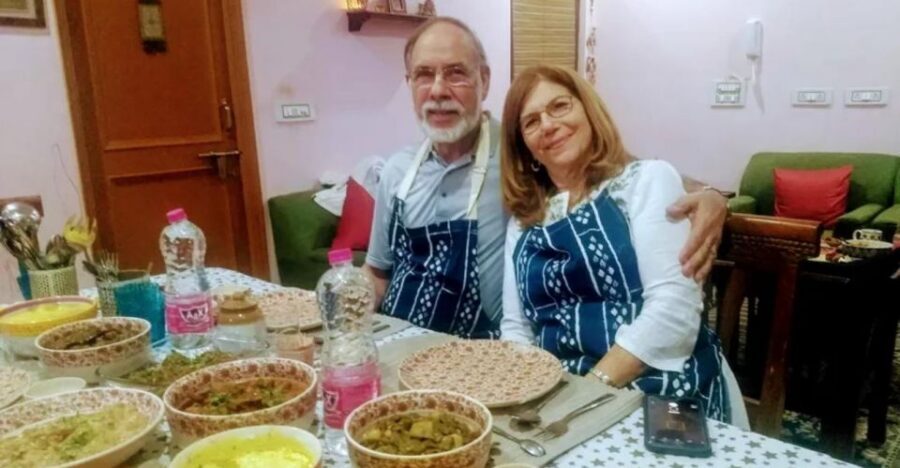
Right when you arrive, you’re welcomed with Indian masala tea. That first sip matters more than it sounds, because it sets the tone: this is not formal. It’s warm, conversational, and focused on helping you understand what you’re about to eat.
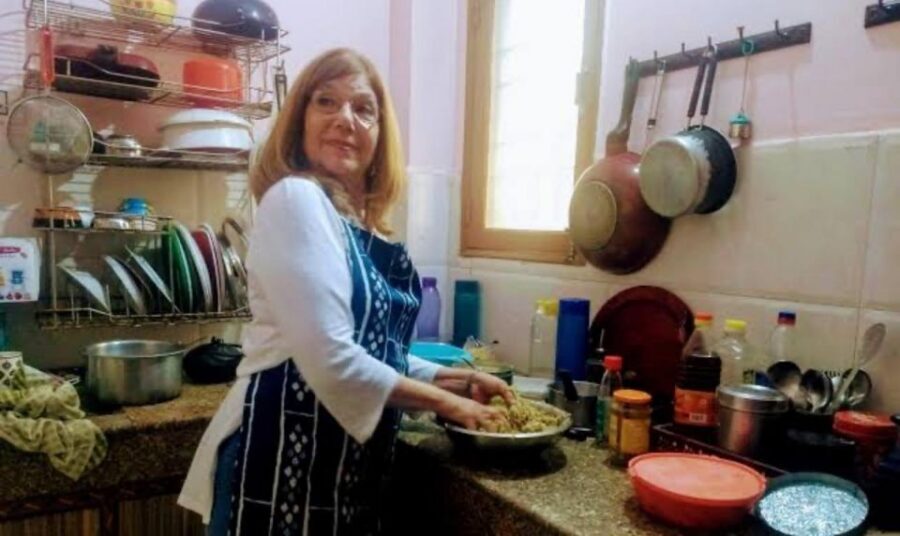
After the welcome, you get brought into the kitchen. The host explains what’s being cooked and the basics of Indian cooking style—spices, how ingredients work together, and how to build flavor rather than just follow steps.
You’ll also get some small gifts along the way, including masala tea or spice items. Even if the gifts aren’t the reason to go, they make the experience feel more like a real visit and less like a transaction.
Henna and Sari: Culture Lessons That Actually Fit Into Dinner Time

This class stands out because it doesn’t separate culture from food. While you’re in that family setting, you learn about henna and how to wear a sari.
For you, this is useful in two ways:
- It gives context for what you see around Uttar Pradesh and on Indian streets.
- It turns into something you can practice and photograph. Bring your camera, because this is the kind of moment that becomes a great memory later.
One practical note: even if you’re mainly there for cooking, do not skip the sari and henna portion. It’s part of the value of the evening, and it helps you understand the environment you’re cooking in.
What You’ll Cook: Veg Indian Food, Masalas, and Real Ingredient Handling
The menu is vegetarian. That is not a tiny detail here—it’s the whole structure of the class. You’ll be working with vegetables used for Indian cooking, learning how spices and masala tea relate to flavor, and building a dish the way Indian home cooking tends to.
You should also expect to choose what you like from the veg spread. The kitchen is described as tidy and hygienic, and the food is designed to be comfortable and flavorful even if you’re new to Indian spices.
One more expectation to set: while the class may include some cooking by guests, the balance between watching and doing can vary. Some people love the calm pace. Others want to jump in. If you want more hands-on, be proactive—ask when you arrive and during prep if you can take over a step, not just observe.
The Tea-Spice Connection (And Why It Works for Beginners)
Masala tea shows up more than once in this experience—in the welcome and as a kind of flavor signal for the evening. For first-timers, this is a smart way to start learning, because tea is approachable. You taste it, you recognize the idea of spice, and then the kitchen makes sense.
You’ll also get an explanation of spices. Not in a chemistry-lecture way—more like practical guidance: what gives aroma, what gives warmth, and how Indian cooking builds depth.
If you’ve ever tried Indian food at home and felt like something was missing, this is the kind of class element that can help you correct that. You’re not just memorizing a dish—you’re learning how flavor is assembled.






Dinner Included: Eating the Same Food You Learn
After the cooking portion, you sit down for dinner, and the meal is made from the same food you worked on or observed. That’s a big deal for value. You’re not paying to eat later somewhere else and hoping the cooking class was worth it.
This also keeps things efficient. The class is 3 hours, and the pacing is built so you learn, cook or watch, then eat. For your evening planning, that makes it easier than tours that scatter the experience across the city.
One thing I like here: the dinner is vegetarian and part of the same kitchen routine. If you have any dietary concerns, you should ask what is being served. But as a format, it avoids the chaos of a mixed, buffet-style scramble at the end.
Price and Value: What $5 Buys You (And What It Doesn’t)
Let’s talk value honestly. $5 per person for a 3-hour cooking class with food and tea is extremely low by most travel standards. You are paying for:
- the instruction
- the ingredients (vegetables used during the class)
- tea
- the dinner
- and the kitchen session experience
What’s not part of the package is also clear. Beer is not listed as included, even though the host mentions you can drink beer if you want at the time of the activity. That usually means it’s not bundled into the price. If alcohol matters to you, confirm what you can order and what costs extra.
Also note the transportation details can be confusing because the information provided includes both a pickup statement and a line saying pickup is not included. If you’re relying on pickup, message to confirm whether you’re collected from a Taj link road hotel area and whether drop-off (listed as Dirop) is included.
For most people, the value is still real. Just do your homework on two things: pickup and how hands-on the class will be for your group.
Group Size and Interactivity: What “Small Group” Means in Practice
The class is limited to a small group of 10. That is better than big group cooking shows where you never get a chance to ask a question.
Still, interactivity depends on how the host runs the kitchen flow. In one experience, the cooking part felt more like watching than doing. The food itself was delicious and the setup was easy and fun, which tells me the class can work even if you’re not constantly chopping.
For you, the best approach is simple:
- arrive on time
- speak up early if you want to cook
- ask questions while ingredients are out
- don’t assume every step is hands-on
If you want a guaranteed high percentage of hands-on cooking, you may need to check with the provider ahead of time and ask what guests typically get to prepare themselves.
Practical Tips: Shoes, Camera, and How to Make the Most of 3 Hours
You only need a couple basics to show up ready.
Bring:
- comfortable shoes (kitchen time can mean standing and moving)
- a camera (henna and sari moments are photo-worthy)
Because the class is not for kids under 10, it also means the vibe is usually adult and focused. That can help with attention, but it also means you should plan to be engaged. This is not a passive sit-and-watch documentary, even if some watching is part of the structure.
If you want to maximize the hands-on part, show interest during prep. Ask if you can stir, mix, or handle certain prep tasks. The more you ask, the more likely you get to do the steps rather than only observe.
And one more practical point: there has been at least one reported issue where the booking didn’t happen as expected. I cannot promise it will be fine every time, but you can protect yourself by confirming your start time and keeping the provider contact details handy the day before.
Who Should Book This Cooking Class With Taj?
You’ll love this if:
- you want vegetarian Indian cooking in a family-style environment
- you like hands-on cultural activities like henna and sari lessons
- you value value: $5 for a meal + tea + class is a strong deal
- you are comfortable with learning through explanation and kitchen demonstration
You might skip it if:
- you need a very structured, heavily hands-on cooking workshop
- you’re traveling with kids under 10
- you require guaranteed pickup without any ambiguity—because the provided info conflicts, you’ll want to confirm first
Should You Book It?
My take: book it if you want a warm, affordable, vegetarian Indian cooking evening that also teaches things you can use and remember—especially henna and sari. The food and tea setup, plus dinner included, is the kind of package that usually feels worthwhile even if your cooking role is lighter than you hoped.
If you’re the type who needs lots of prep-time at the cutting board, do one extra step before paying: confirm how much guests typically cook themselves and clarify pickup details from the Taj link road area if you need transport. If they answer clearly, this is the kind of low-cost experience that makes your trip feel more human and less tour-bus.
FAQ
How long is the cooking class?
The experience runs for 3 hours.
Is this a small group?
Yes. It’s a small group, limited to 10 participants.
Will the instructor speak English?
Yes. The instructor is listed as English.
Is the food vegetarian?
Yes. The class is described as all veg food, and you can choose what you like from the vegetarian options.
Do they teach henna and sari?
Yes. The highlights mention a henna class and teaching you how to wear a sari.
Is pickup included?
The information you provided includes a note that pickup is included from hotels around the Taj link road, but another line says no pickup. Because of that conflict, confirm directly with the provider before you go.
What’s included in the price?
The included items listed are food, tea, the vegetables used for the class, and Dirop (drop-off).
What should I bring?
Bring comfortable shoes and a camera.
Is it suitable for children?
It is not suitable for children under 10.
Is free cancellation and pay later available?
Yes. There is free cancellation up to 24 hours in advance for a full refund, and you can reserve now and pay later.