REVIEW · AGRA
From Agra: Agra Heritage Walking Tour
Book on GetYourGuide →Operated by Super India Tour · Bookable on GetYourGuide
Agra can feel like a maze, so this tour is a smart shortcut. You get easy tuk tuk pickup and drop-off and a focused walk that brings you to real street life, plus two standout religious stops, Mankameshwar Mandir and Jama Masjid. I also like that the pace is tight and efficient, with guided storytelling that helps you understand what you’re seeing.
The main thing to keep in mind is that monument entrance fees aren’t included, so you may need extra cash on the spot depending on what gates charge. Also, since this is a walking heritage route through markets and narrow lanes, you’ll want comfortable shoes and a little patience if the streets get crowded.
In This Review
- Key highlights to plan your time
- Agra’s heritage walk, built for real street time
- Price and what $20 really covers
- Meeting your guide and rolling out by auto rickshaw
- Shri Mankameshwar Mandir: start with a living spiritual stop
- Kinari Bazar and Seth Gali: sweets, shopping, and street noise
- Rawat Para streets: the part that turns a sightseeing walk into a city walk
- Jama Masjid: big architecture without the wandering
- Transportation and the pace: two hours that stay focused
- What you should bring for a smooth walk
- Who this tour suits best
- Should you book the Agra Heritage Walking Tour?
- FAQ
- How long is the Agra Heritage Walking Tour?
- How much does it cost?
- What’s included in the tour price?
- Are monument entrance fees included?
- What language options are available for the guide?
- Where can I be picked up and dropped off?
- Is a passport or ID required?
- Can I cancel for a full refund?
Key highlights to plan your time
- Tuk tuk pickup and drop-off saves you from sorting transport and reduces stress in busy Agra
- Temple-to-mosque route in 2 hours gives you a clear cultural contrast without rushing wildly
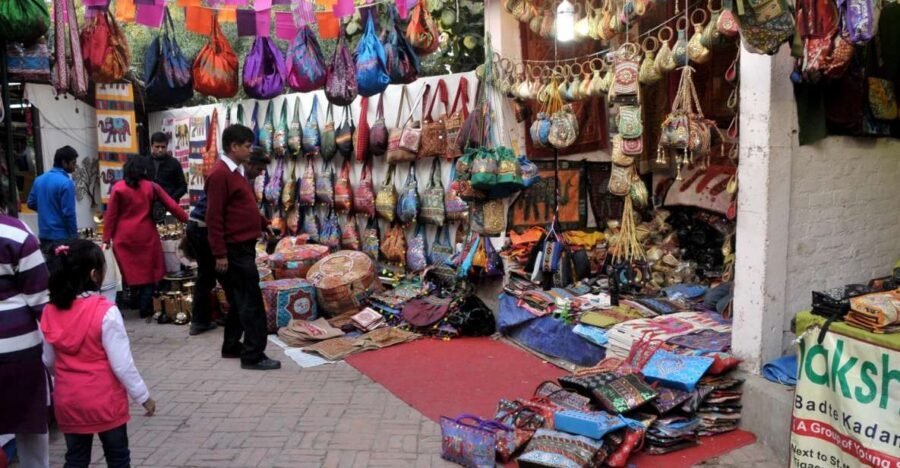
- Kinari Bazar + Seth Gali sweets street targets the food and shopping Agra does best
- A guided walk through Rawat Para helps you see everyday neighborhoods, not only landmark fronts
- Skip-the-line access via separate entrance can help you get moving faster at the big sites
- Guides named Imran Ali Khan, Farwan, Amir, and Farman are mentioned for safety and clear explanations
Agra’s heritage walk, built for real street time
This is the kind of tour that makes sense when you’re short on time but still want Agra to feel lived-in. Instead of just stopping for photos, you’re carried around the city’s key corners, then guided on foot where the details matter: shop signs, street rhythms, and the way people actually move through markets.
The route is also designed to layer your understanding. First you anchor your visit in a temple stop, then you step into the commercial heart of Agra with sweet streets and busy bazaar lanes, and you end with a major piece of architecture at Jama Masjid. If you like your travel to have momentum and meaning at the same time, the flow works.
And yes, the tuk tuk logistics are a big deal. Getting picked up from your hotel or train station area means you spend less time figuring out where to go next. One less headache in a city that can feel chaotic fast.
Other walking tours we've reviewed in Agra


Price and what $20 really covers
At $20 per person, this tour is priced like you’re paying for a guided walk plus transport help, not just a stroll. The included cost elements matter:
- Hotel pickup and drop-off by three-wheeled auto rickshaw/tuk tuk
- Private tour guide
- Snacks and packaged mineral water
- All vehicle and travel expenses and applicable taxes
That’s a lot bundled into the price for a 2-hour experience. What’s not included is the part that often surprises people: monument entrance fees. Since the tour includes multiple sites, you may want to have a buffer for entrance charges and any small purchases you make inside markets.
If you’re weighing value, think like this: you’re paying to buy back convenience (pickup/drop) and understanding (a guide and guided walking route). If you were to DIY it—finding streets, managing transport, and learning what you’re looking at—you could easily spend more time (and sometimes more money) than the tour costs.
Meeting your guide and rolling out by auto rickshaw
The start is simple: you meet your storyteller at a meeting point with an auto rickshaw. From there, the tour uses the tuk tuk as the connector. You’ll hop between stops by three-wheeled ride, then switch into walking when it matters most.
This matters for two reasons. First, walking through markets and old lanes is where you get the real Agra texture—faces, shops, smells, and street conversations. Second, the guide helps you move with purpose. You’re not wandering and hoping you’ll stumble on the good stuff.
English and Spanish are offered on the tour, which is a big practical win if you want your guide’s explanations to land clearly. In multiple guide notes associated with this experience, names like Imran Ali Khan, Farwan, Amir, and Farman show up, and safety and comfort are mentioned as priorities. If you’re wary about navigating crowded areas, that focus is reassuring.
Shri Mankameshwar Mandir: start with a living spiritual stop
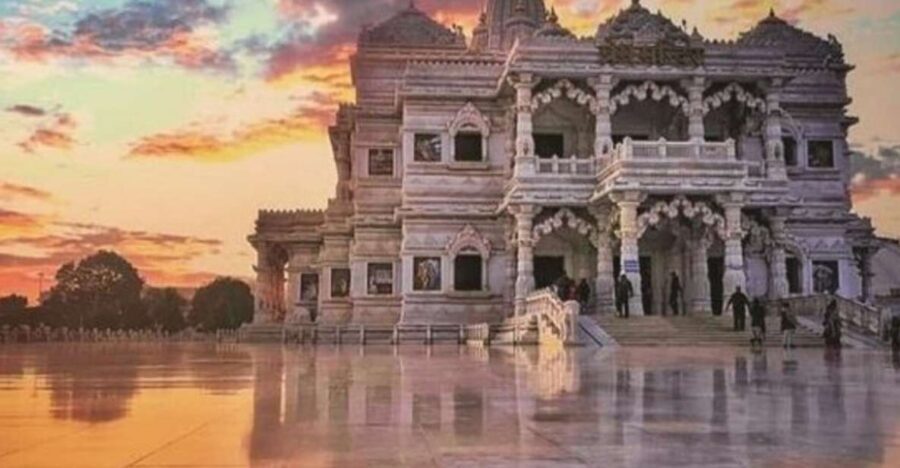
The first site on the walking heritage route is Shri Mankameshwar Mandir. You’ll get a guided visit and sightseeing time here before moving on toward the market areas.
Why this opening stop works: it gives you context for Agra beyond monuments alone. Temples in India are not museum objects; they’re places people return to for worship and routine. When you start here, the rest of the tour makes more sense because you’re already seeing the city through a cultural lens, not just a postcard lens.
What to watch for during this part of the tour:
- The guide’s explanations should help you understand what you’re seeing instead of just admiring architecture
- Since it’s a guided walking tour afterward, you’ll want to use this first stop to get your bearings
A small consideration: even on a short 2-hour format, this is still a stop where you’ll be moving and looking. If you’re sensitive to crowds, go with breathable layers and a calm pace.
Kinari Bazar and Seth Gali: sweets, shopping, and street noise
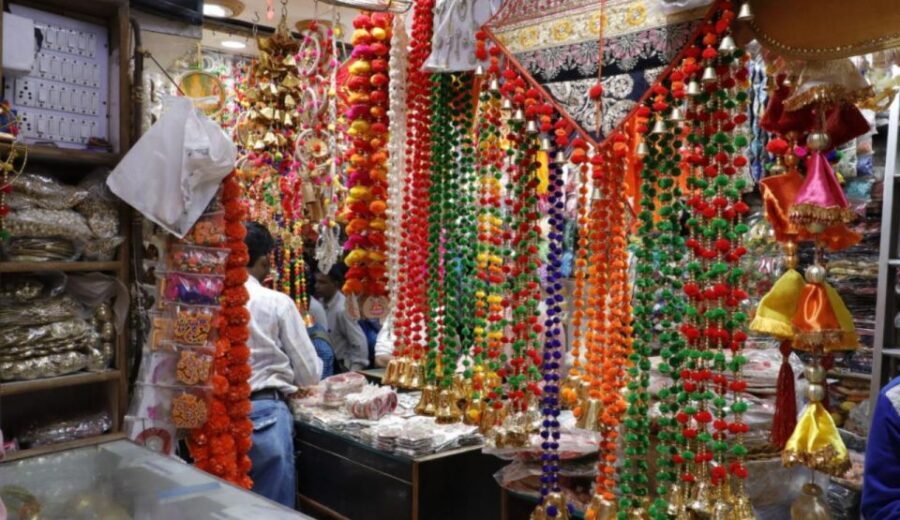
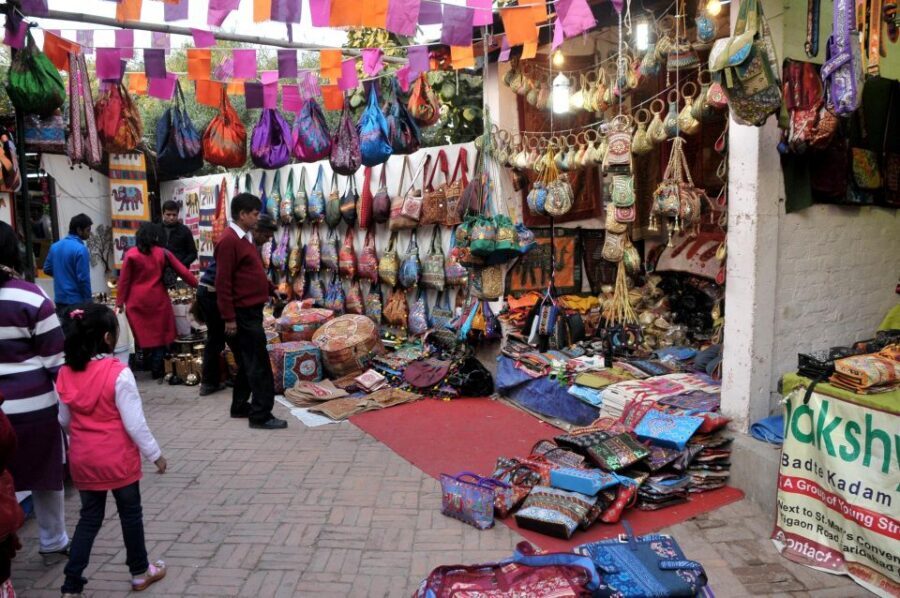
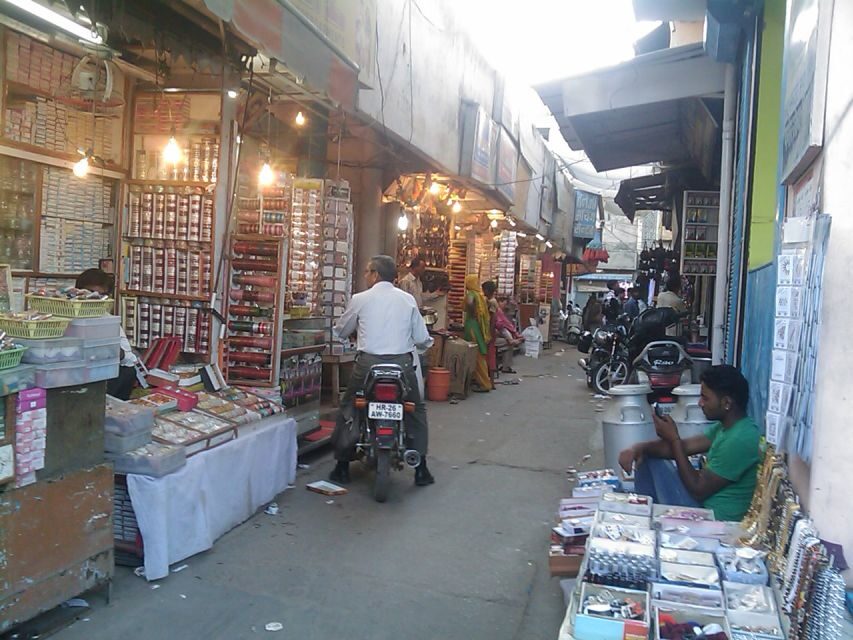
Next you head toward Kinari Bazar, a famous market area, traveling via Rawat Para. Then you’ll reach Seth Gali, known for sweets—an area designed for people who like to taste and browse.
This is where the tour becomes most hands-on. You’re not just passing storefronts; you’re guided through market lanes so you know where to look and what the streets are known for. Kinari Bazar is the kind of place where small details become the story: the shop layout, the variety of candies and sweets, and the way vendors present what they specialize in.
Seth Gali is especially relevant because it connects the idea of Agra as a sweets capital with your actual senses. The tour includes snacks, and you’ll also have the chance to sample popular sweets and local food as part of the experience. Even if you don’t buy much, tasting along the way is a practical way to understand local preferences in a short time.
A drawback to flag: markets can get crowded quickly. So while this tour tries to keep things efficient, you’ll still want patience. The upside is that the guide can help you stay oriented and avoid wasting time.
Other walking tours we've reviewed in Agra





Rawat Para streets: the part that turns a sightseeing walk into a city walk
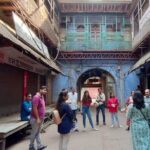
Rawat Para appears in the route as the path between temple and market. That may sound minor, but this is often the best part of a short city tour. It’s where you see day-to-day neighborhood life, the kind of street reality that doesn’t always show up in structured sightseeing.
If you want Agra to feel more personal, this is the segment that helps. You’ll likely notice how people move, where everyday activity clusters, and how the city supports its markets and religious spaces side by side.
You don’t need to force it. Just treat these walking connectors as part of the experience rather than empty transit time. The guide’s storytelling here is often what turns streets into meaning.
Jama Masjid: big architecture without the wandering
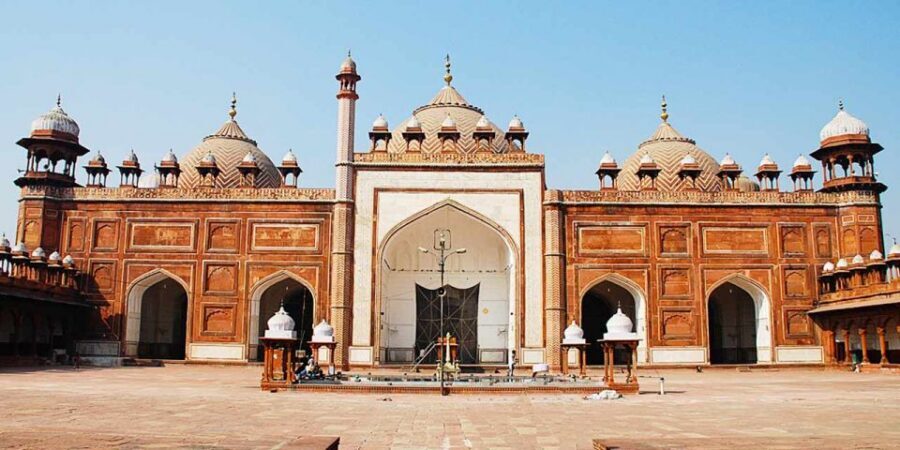
The last walking stop is Jama Masjid. This is the tour’s major architecture moment, and it’s also where the route pays off because you don’t spend your time hunting your way through the surrounding area.
You’ll have guided sightseeing on foot at Jama Masjid, with explanations that help you appreciate the structure as more than scenery. And there’s a practical bonus included: skip-the-line access through a separate entrance.
That matters because time is the whole point of a 2-hour heritage walk. If you’ve ever lost time at a popular site because of queues and slow entry, you’ll understand why this is a real advantage.
One more helpful detail: since the tour ends after the walking sightseeing, you should feel less mentally taxed than a self-guided plan. You don’t have to figure out your exit and next transport step. You get dropped back in the areas you select.
Transportation and the pace: two hours that stay focused
The tour is set for 2 hours, with walking as the core experience and tuk tuk rides connecting the stops. That short duration can be a strength.
You’ll move through:
- a temple stop that sets a cultural tone,
- a market segment designed around sweets and local browsing,
- and a major mosque stop to finish with architecture.
The pacing is built to keep you from burning your energy on dead-end wandering. If you’re visiting Agra between train times, or you only have a half-day window, this route can plug that gap nicely.
You might still feel the city’s energy, though. Narrow lanes plus market crowds can make it feel busier than you expect. If you prefer quiet sightseeing, plan for that reality and bring a little flexibility.
What you should bring for a smooth walk
The tour information is straightforward about what to bring: a passport or ID card. That’s an easy checklist item, especially if you’re already carrying documents while moving between train stations and hotels.
Beyond that, I’d focus on comfort items because the tour is walking-focused:
- Comfortable shoes for market lanes
- A light layer if you get stuck in sun or shade changes
- A small mindset shift: in these lanes, slower is often better
The tour includes packaged mineral water and snacks, so you don’t have to build your own snack plan. Still, comfortable shoes and a steady pace will make the difference between a fun stroll and a mildly exhausting errand.
Who this tour suits best
This is a strong fit if you:
- want a first-timer-friendly route that still feels local,
- like markets and food stops more than just big standalone monuments,
- have limited time and want a guided plan,
- feel more comfortable with a guide who can keep you oriented and safe in tight streets.
It can also work well for people who want a calmer version of Agra. Instead of cramming in too many sights, you’re guided through a short loop that covers temple, market, and mosque. You’ll leave feeling like you saw more than one side of the city.
A possible mismatch: if you’re the type who wants a lot of independent time inside each site, or if you dislike crowds and prefer quiet parks and wide streets, the market-heavy segment may feel intense.
Should you book the Agra Heritage Walking Tour?
I’d book this when you want maximum local flavor in minimal time. The combination of tuk tuk pickup/drop, a private guide, and a route that includes Mankameshwar Mandir, Kinari Bazar, Seth Gali, and Jama Masjid is a very practical way to experience Agra beyond the usual “see and leave” routine.
Do it if you’re planning a short stop in Agra and you want the day to feel organized, safe, and meaningful. Skip it if you’re trying to avoid walking through busy lanes, or if you already have a separate plan that covers multiple entrance-paid monuments and you don’t want to budget for entrance fees.
If you’re on the fence, the best decision tip is this: add up what you’d pay for a guide plus transport help, then compare it to the tour price, and remember you’ll still need to handle monument entrance fees yourself.
If that trade-off sounds fair, you’ll likely enjoy this one.
FAQ
How long is the Agra Heritage Walking Tour?
The tour duration is 2 hours.
How much does it cost?
The price is $20 per person.
What’s included in the tour price?
Included features are hotel pickup and drop-off by auto rickshaw/tuk tuk, a private tour guide, snacks, packaged mineral water, all vehicle and travel expenses, and applicable taxes.
Are monument entrance fees included?
No. Monument entrance fees are not included.
What language options are available for the guide?
The live tour guide is available in English and Spanish.
Where can I be picked up and dropped off?
Pickup is included from your desired location in Agra (such as hotel or train station). Drop-off is available back to Agra or Agra Cantt, depending on your chosen location.
Is a passport or ID required?
Yes. You should bring a passport or ID card.
Can I cancel for a full refund?
You can cancel up to 24 hours in advance for a full refund.