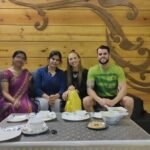
REVIEW · AGRA
Agra: Indian Food Private Cooking Class
Book on GetYourGuide →Operated by Taj. Tour Trip · Bookable on GetYourGuide
One tuk-tuk ride to a home kitchen. In Agra, this private cooking class takes you to an Uttar Pradesh family’s house, where Amir helps keep the lesson clear in English and Hindi. I love the hands-on focus, and I love that you learn how to make flavors you can actually recreate at home. One possible drawback: depending on the host’s English, you may rely more on translation than direct chef talk.
The best part is the vibe: warm home hospitality, simple instructions, and a chance to see everyday Indian life at the table, not just a staged demo. Still, because it happens in a shared living space, it can feel a bit informal or awkward for some people, especially if you want a more polished classroom setup.
In This Review
- Key things I’d clock before you book
- A tuk-tuk pickup and a family kitchen in Agra
- Who you meet: the mom at the stove and Amir in the background
- The real “itinerary”: how the 2 to 2.5 hours usually flow
- Pickup and ride to the host home
- Welcome and setup in the home
- Cooking multiple dishes, hands-on when possible
- Tasting what you made
- Return ride
- What you actually learn: spice logic, not just flavor
- The home-table vibe: charming for some, uncomfortable for others
- Price and value: what $27 buys you in real terms
- Practical tips to make the class work for you
- Who this Agra cooking class is best for
- Should you book this private cooking class in Agra?
- FAQ
- Where does this Indian cooking class take place?
- Is this activity private?
- How long is the cooking class?
- How do you get to the host home?
- What languages are used by the host or greeter?
- What’s included in the price?
- What is not included?
- Is smoking allowed indoors?
- Who is it not suitable for?
- Is there a cancellation option?
Key things I’d clock before you book
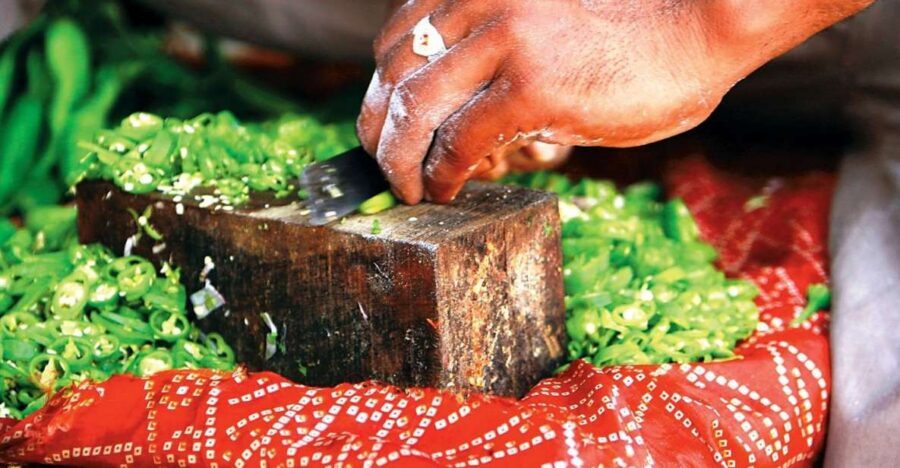
- Private group only: it’s just your party, not a big crowd.
- Tuk-tuk transport included: you’re driven to the home and back as part of the price.
- Amir as your bridge: English and Hindi support is part of the experience.
- 2 to 2.5 hours is tight: expect a fast rhythm, not a slow, leisurely cook.
- Family-kitchen realism: you’re cooking in someone’s actual home, with all the informality that implies.
A tuk-tuk pickup and a family kitchen in Agra
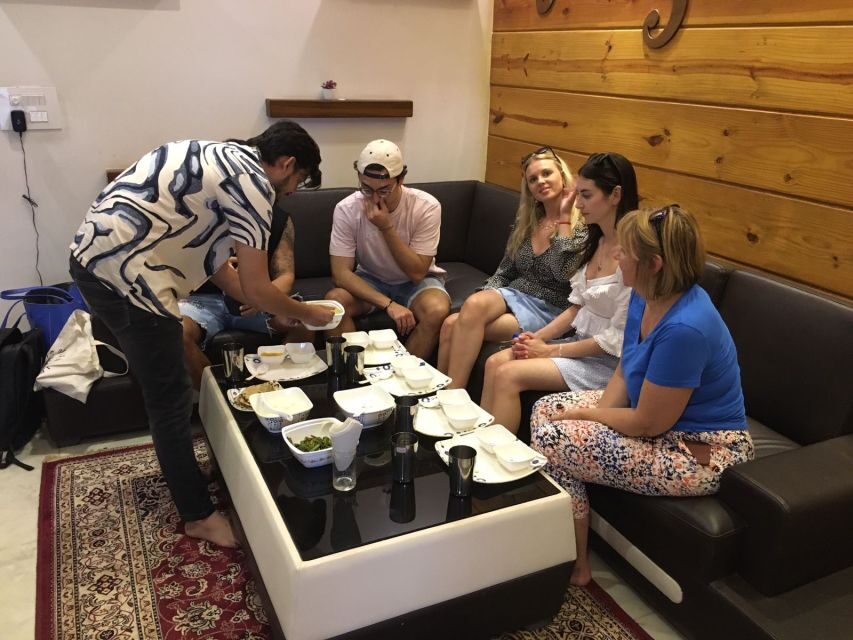
This experience is built around one simple idea: cooking Indian food where it’s cooked for real. You’re not stuck in a formal studio. You’re taken to a local family’s home in Uttar Pradesh, and you start from the moment you’re picked up and moved around by private tuk-tuk.
That matters more than it sounds. A cooking class is never only about recipes; it’s about pacing, comfort, and confidence. When a home cook walks you through spices and steps in their own kitchen, you pick up the small habits that don’t show up on food videos: how something is mixed, what “ready” looks like, and when to adjust.
You’ll also like the fact that it’s private. Only your group participates, so it’s easier to ask questions and get clarification—especially if your questions are about ingredient swaps or how to reduce spice levels at home. The class runs about 2 to 2.5 hours, so you’ll get a solid dose without losing half a day.
Other cooking classes in Agra


Who you meet: the mom at the stove and Amir in the background
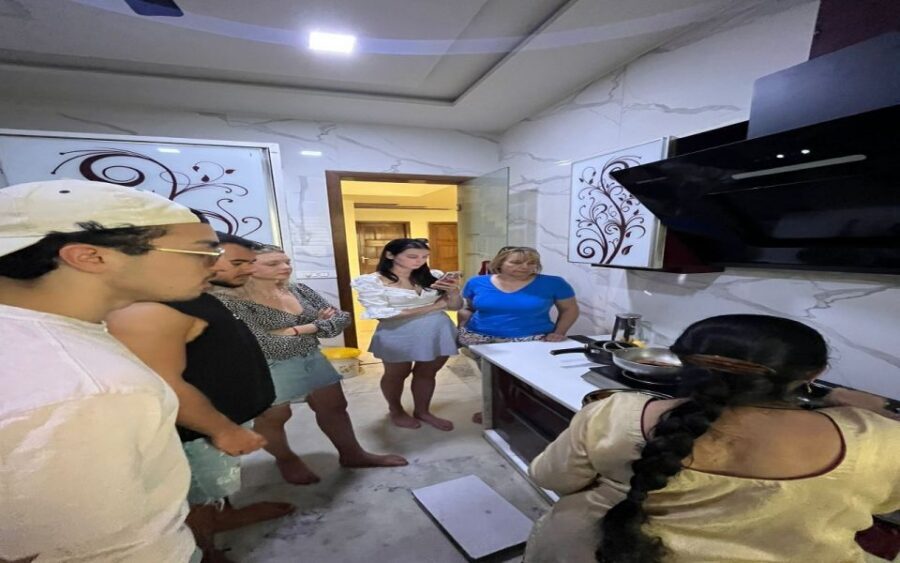
The heart of the class is the family cook—an Indian mom who loves hosting and sharing food. In the reviews, guide Amir comes up again and again as a helpful, friendly connector. He’s listed as a host or greeter who speaks English and Hindi, and at least one guest noted his Spanish as well, which is a nice bonus if you speak it.
Here’s the practical part: communication can shape how much you feel you’re learning. One review said the instructor’s English was limited, and translation came through Amir. That doesn’t automatically make the class worse. It just changes what you should expect: you might focus more on watching, doing, and adjusting rather than listening to long English explanations.
If you care a lot about clear step-by-step teaching, I’d treat Amir as your safety net. Plan to ask him early how the lesson will work and whether the cooking will be hands-on throughout or more of a demonstration at times.
The real “itinerary”: how the 2 to 2.5 hours usually flow
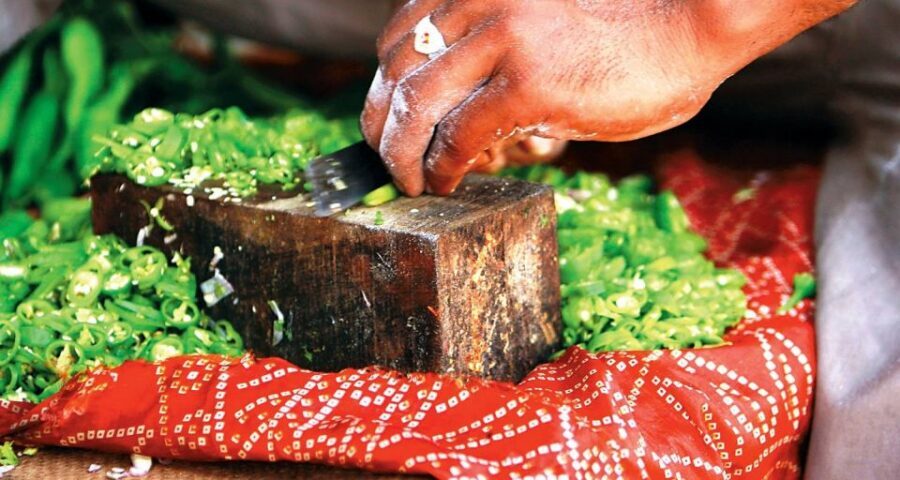
The exact minute-by-minute schedule isn’t fixed in the details you’re given, but the structure is very consistent across home-cooking experiences like this. Here’s the flow you can plan around:
Pickup and ride to the host home
You’ll be picked up and driven by private tuk-tuk. This is included, along with bottled water. It’s also near public transportation, so getting there shouldn’t feel impossible even if you’re navigating the area on your own.
Welcome and setup in the home
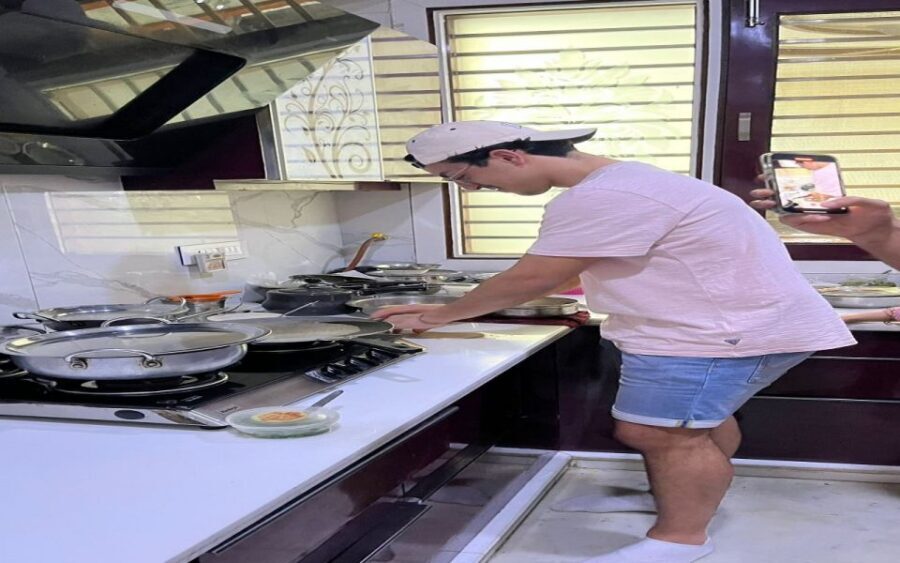
Once you arrive, expect the kitchen and counter space to guide the lesson. All cooking equipment is provided, so you don’t need to bring tools or spices. You’ll likely get a quick orientation to ingredients and steps before you start actively cooking.
Other food & drink experiences in Agra




Cooking multiple dishes, hands-on when possible
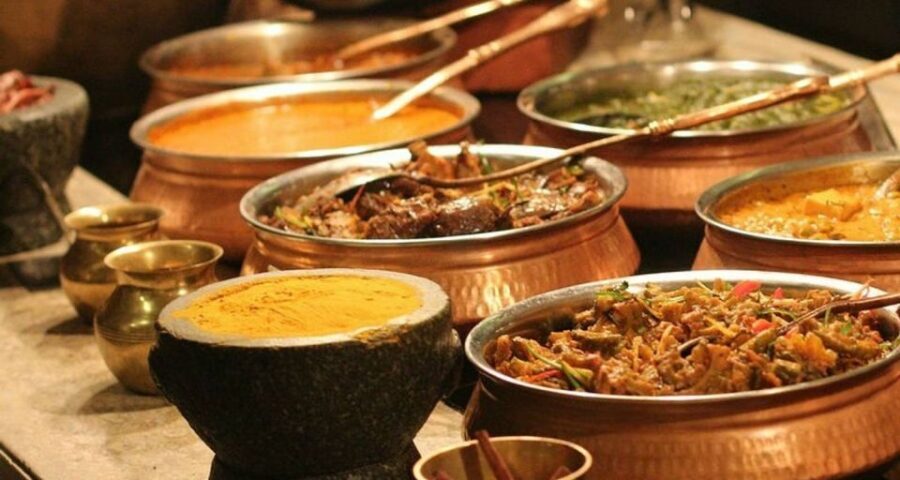
The class is described as teaching “few basic and some not so basic” Indian dishes. That usually means you’ll cover more than one item, so you get variety instead of cooking one repeat dish for the whole session.
Some guests specifically mentioned making about three dishes, and one person noted they made the last dish on their own. Another highlighted making roti as a fun, memorable moment. So while the exact menu can vary, you should plan for active participation rather than pure watching.
Tasting what you made
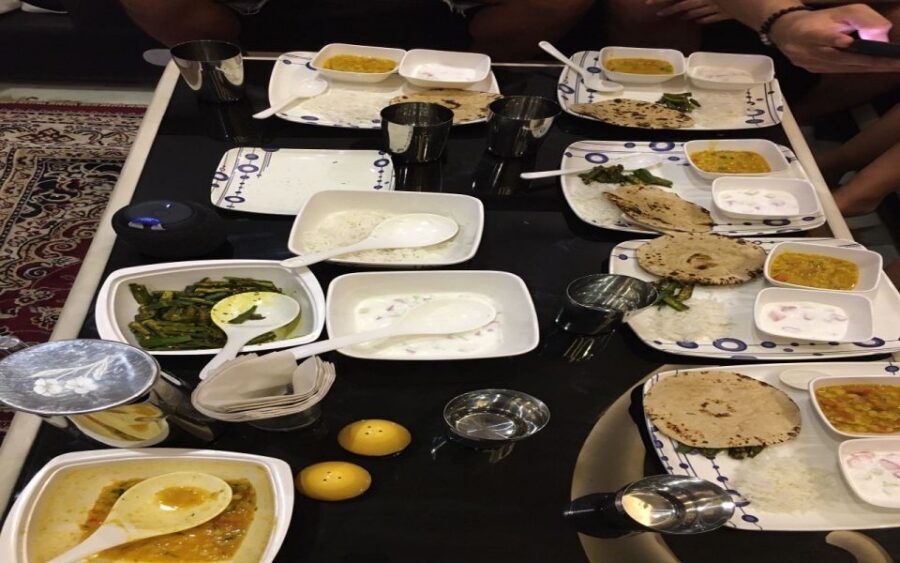
At the end, you eat the dishes you prepared. This is another place where you’ll feel the home setting. In one account, the group ate in the living room while family members watched. That can feel warm and curious—or it can feel a little awkward if you prefer more privacy during meals.
Return ride
After the meal and cleanup, you’re taken back—again by private tuk-tuk. Total time stays in the 2 to 2.5 hour range, so it’s an easy add-on to a day that’s already busy with sightseeing.
What you actually learn: spice logic, not just flavor
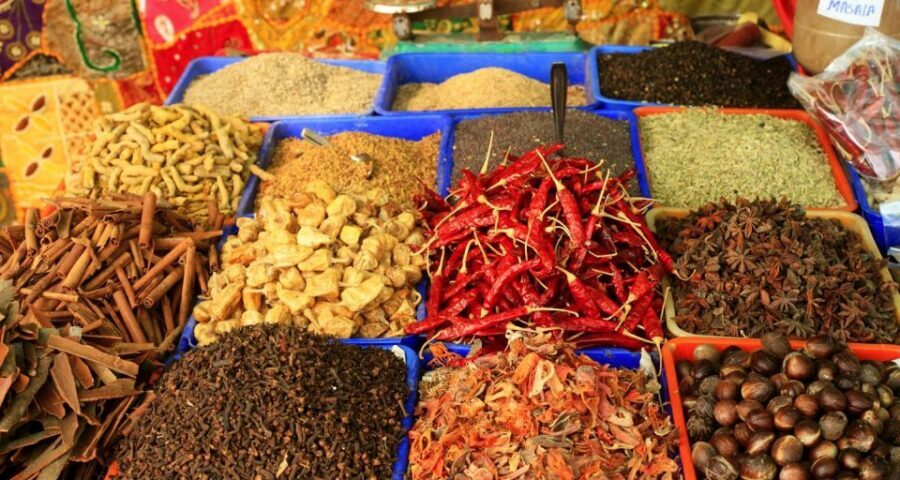
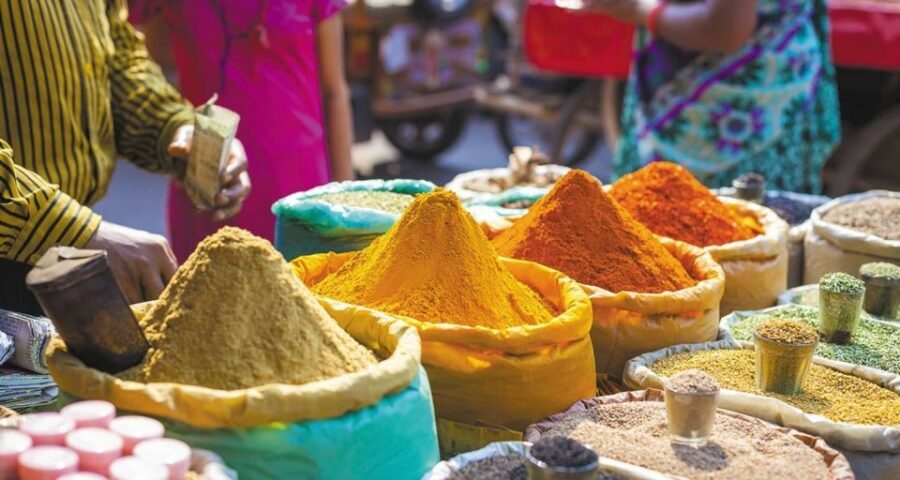
Indian cooking can look intimidating because of the number of spices involved. The good news is that this class focuses on fundamentals and technique. That’s what you want if your goal is to cook Indian food later without guessing.
What you’ll take away tends to be practical:
- How spices move from dry to hot to blended, so they don’t taste bitter or flat.
- How to adjust seasoning as you cook, instead of only salting at the end.
- How to build flavor across dishes, so each item tastes like part of the same meal.
One thing I like about this setup is how it’s framed: you’re not just tasting spices, you’re learning how to treat them. That’s the difference between buying a spice rack and actually using it confidently.
If roti is on your menu, that’s a great anchor skill. It’s not “hard” so much as it’s hands-on practice. Rolling and cooking teaches you feel, not just timing, and one guest made that point clearly.
The home-table vibe: charming for some, uncomfortable for others
This is where you should use good judgment.
Because the cooking class happens in a family home, the experience can be more intimate than a restaurant or a commercial classroom. The upside is obvious: you see how people live, you get hospitality, and you taste food made with care.
The downside is also real: you may share space with family members while you eat, and conversation or attention can feel intense in a small room. One review described the dining setup as awkward, and another described feeling pressured during the visit.
There’s also a safety and comfort angle that you should not ignore. One report included uncomfortable personal questions and a feeling of being unsafe to be honest in that moment. I can’t verify the details beyond what was shared, but I can tell you the smart response: if you have any concerns about personal comfort, language barriers, or how questions are handled, ask Amir ahead of time how the visit will be conducted and what to expect socially.
Price and value: what $27 buys you in real terms
At about $27 per person for 2 to 2.5 hours, you’re paying for a few things that add up quickly: a private group experience, full equipment, bottled water, and private tuk-tuk transportation.
Many classes hide the real cost in add-ons. Here, the included pieces are clear. You’re not expected to buy cookware, bring utensils, or pay extra for basic logistics. That’s part of the value.
The main “cost” you should consider is your energy. This is a fast, hands-on session. If you’re hoping for a slow culinary tour with long lectures and time to wander, you may feel rushed. But if you want recipes you can reproduce and techniques you can feel in your hands, the time-to-learning ratio is strong.
Also, with a 4.6 rating from 21 reviews, the pattern is consistent: friendly hosts, practical teaching, and a genuine home-cooking feel. Still, keep one negative note in mind: communication level can vary, and in-home arrangements can be less structured than you might hope.
Practical tips to make the class work for you
A few small moves can make the difference between a fun lesson and a frustrating one:
- Ask Amir what hands-on means for your group. Some classes lean more demonstration-style; others stay hands-on throughout. You’re paying for learning, so clarify expectations early.
- Tell them your spice comfort level. Indian food can be mild or intense depending on how it’s built. Even in a short class, your preferences matter.
- Plan for the home setting. This is not a sterile kitchen. Expect warmth, informality, and shared spaces.
- Bring a calm mindset about translation. If the host uses limited English, Amir becomes your interpreter. That can still be a great class; it just changes how information is delivered.
- Don’t smoke indoors. Smoking is not allowed during the experience.
If you’re traveling with mobility or age concerns, note that it’s not suitable for people over 95 years. That’s a hard rule in the details provided, likely because of how home spaces and movement may work.
Who this Agra cooking class is best for
This class makes the most sense if you want:
- Home-style Indian food you can recreate
- A private experience where questions are easier to manage
- A short commitment that doesn’t swallow your whole day
- A guided bridge (Amir in English/Hindi) between you and the family cook
It’s especially appealing if you’re the type of person who likes learning spices and methods rather than just eating a meal. If you’ve got a foodie streak, this is one of those experiences where you leave with more confidence, not just more photos.
On the other hand, you might think twice if you strongly dislike informal social settings, struggle with translation, or need a very structured teaching environment. In-home experiences are real life, and real life isn’t always tidy.
Should you book this private cooking class in Agra?
I’d book it if you want authentic home cooking with a guide who supports communication, plus a practical lesson that fits into a short window. The included private tuk-tuk and equipment make the price feel reasonable, and the repeated praise for Amir’s friendliness and the family hospitality points to an experience that’s genuinely warm.
I’d hesitate—or at least ask extra questions—if you’re sensitive to social discomfort in shared living spaces, need consistently fluent English instruction, or have concerns about personal safety or how private questions might be handled. A quick pre-visit message to Amir about your comfort level is a smart move.
If you want Indian cooking skills you can bring back to your own kitchen, this is exactly the kind of class that can make that happen.
FAQ
Where does this Indian cooking class take place?
It takes place in Uttar Pradesh, India, at the host family’s home.
Is this activity private?
Yes. Only your group will participate.
How long is the cooking class?
It lasts about 2 to 2.5 hours.
How do you get to the host home?
Private tuk-tuk transportation is included, and the area is described as near public transportation.
What languages are used by the host or greeter?
The host or greeter speaks English and Hindi.
What’s included in the price?
All cooking equipment is provided, bottled water is included, and private tuk-tuk transportation is included.
What is not included?
Any personal expenses are not included.
Is smoking allowed indoors?
No. Smoking indoors is not allowed.
Who is it not suitable for?
It is not suitable for people over 95 years.
Is there a cancellation option?
Yes. Free cancellation is available up to 24 hours in advance for a full refund.