REVIEW · AGRA
Day Trip to an Elephant Conservation and Care Center near Agra
Book on Viator →Operated by GeTS Holidays · Bookable on Viator
A morning drive to an elephant rescue center makes the day feel bigger. This trip to the Wildlife SOS Elephant Conservation and Care Center turns simple sightseeing into hands-on conservation learning, with private pickup and an English-speaking guide. I especially like the clear focus on rehabilitated elephants living in large enclosures, and the fact that your visit is built around respectful observation. One thing to consider: the schedule is weather-dependent, so if conditions are poor the operator may shift the date or refund.
The center is also run with a practical rescue history that’s easy to understand on-site. You’ll learn how elephants were taken from situations where they were forced into hard work without safety or proper care, and you’ll see them now housed in environments meant to feel natural. For me, the best part is watching the elephants behave like elephants, not like attractions. The main drawback is that the experience is short—about 2 hours on-site—so you’ll want to arrive mentally ready to soak up what you can quickly.
In This Review
- Key reasons this visit is worth your time
- Why an elephant rescue center beats a typical attraction stop
- Hotel pickup in Agra: the part that saves your morning
- Wildlife SOS center: what you’ll actually see when you arrive
- Where the viewing value comes from
- A typical guide-led visit: learning without turning it into a lecture
- Respectful elephant viewing: how to make your visit count
- Price and value: is $112 per person fair?
- How to plan your day around the 3–4 hour window
- Who this trip suits best (and who may want something else)
- Should you book this elephant conservation day trip near Agra?
- FAQ
- What time does the tour start?
- How long will the whole experience take?
- Where is the stop during the tour?
- Is hotel pickup and drop-off included?
- How long do you spend at the elephant care center?
- What’s included in the price?
- Is it private for my group?
- How many elephants are at the center?
- What happens if the weather is poor?
Key reasons this visit is worth your time
- Rescue-first mission since 2010, created with the state government in collaboration with Wildlife SOS
- About 20 elephants on-site, including 12 females and 8 males
- Large enclosures designed to mimic natural living, with areas where elephants can roam freely
- Private, round-trip hotel transport plus an English-speaking guide
- Admission ticket included, with roughly a 2-hour visit at the center
Why an elephant rescue center beats a typical attraction stop
If you’re doing the Agra circuit—Taj Mahal, forts, photo stops—this kind of detour is a good reset. The Elephant Conservation and Care Center visit isn’t about shows. It’s about seeing animals after rescue, and learning what rehabilitation can look like when staff are committed to long-term care.
I like that the visit is grounded in real context. The story you get on-site explains that some elephants in the center were rescued from grim conditions, including cases where they were forced to do difficult work without safety and care. Then you’re shown how the center is helping them live more comfortably now. That before-and-after contrast makes your time feel more meaningful than a quick photo.
You’ll also notice the center’s scale isn’t huge. Around 20 elephants currently live there, so the animals are visible without the constant noise and crush you can get at bigger, more commercial places. It’s a calmer setting, and that matters when you’re trying to pay attention to elephant behavior.
Other Wildlife SOS and elephant conservation visits


Hotel pickup in Agra: the part that saves your morning
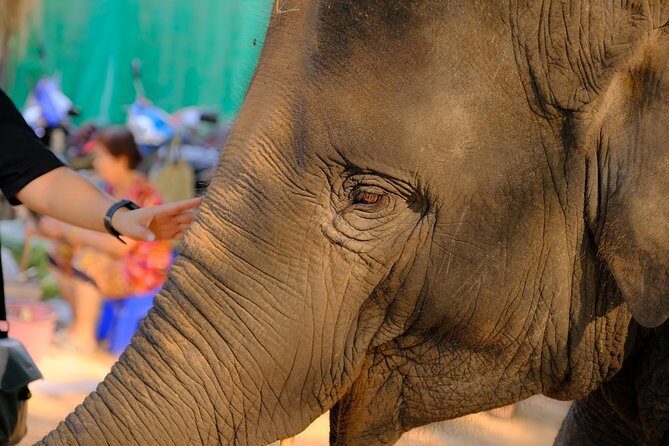
This tour is built around private round-trip transportation from your hotel. Pickup starts at 9:00 am, and your day is structured so you can focus on the center rather than figuring out local logistics. For most people, this is the biggest comfort upgrade: you avoid the stress of transport changes and you get a driver waiting for you.
It’s also only for your group. That private setup is useful if you’re traveling with family, friends, or anyone who hates being herded into a fast-moving crowd. In a place like this, it’s nice to have a bit of breathing room to ask questions through the guide without feeling rushed.
One practical note: you’ll be on the road for part of the morning. The total duration is listed as 3 to 4 hours approx., which means you should keep your day flexible afterward. If you’re trying to squeeze in another major stop, you’ll probably want a buffer so you don’t feel time-pressured.
Wildlife SOS center: what you’ll actually see when you arrive
Your main stop is at Wildlife SOS’s Elephant Conservation and Care Center, a project created in 2010 in collaboration with the state government. On arrival, you’ll get the sense that the center is designed for animal welfare first. Staff share the mission and the background of the elephants, and the layout gives you places to observe without constant disruption.
You’ll likely spend about 2 hours at the center, with the admission ticket included. That time is long enough to learn the basics and watch elephants moving between resting areas, feeding zones, and open spaces. It’s also long enough to notice differences in how elephants interact with their environment.
The center houses around 20 elephants—12 females and 8 males. Having that rough number helps you set expectations. You’re not looking at a single solitary animal; you’re seeing a real herd-life dynamic, just in a controlled care setting.
Where the viewing value comes from
What I find most convincing is the way the enclosure setup supports natural behavior. The elephants are kept in large enclosures designed to mimic natural environments, and some are described as roaming freely. That means your goal is observation: watch how they move, rest, and respond to their surroundings, instead of looking for staged moments.
A typical guide-led visit: learning without turning it into a lecture

You’ll have an English-speaking guide, and the tour is built around explanations you can follow while you’re walking and watching. This matters because elephant care isn’t something you can understand from signage alone. A guide helps connect the story of rescue—why elephants ended up in harmful situations—to what rehabilitation focuses on now.
You should expect the guide to:
- Explain the center’s mission and how it links to rescued elephants
- Describe the kinds of conditions elephants were rescued from
- Point out what you’re seeing in the enclosures and how care routines support welfare
In the comments left by visitors, a consistent theme is appreciation for the people doing the work and the feeling that the elephants are genuinely cared for. I think that’s the emotional payoff of a guided visit: you’re not just looking at animals; you’re understanding the responsibility behind their care.
No guide name is listed in the details you provided, so your best bet is to simply come ready with questions. I’d keep a small list in your head like: What were the elephants rescued from? How does the center support recovery day-to-day? What does welfare look like beyond food and shelter?
Other same-day tours of Agra






Respectful elephant viewing: how to make your visit count
This experience is designed around conservation and care. In practice, that means the “value” is in what you choose to do with your attention. When you’re watching elephants in a rescue context, it’s worth setting your mindset to observation and respect.
A few helpful ways to get more from the visit:
- Watch behavior, not just faces. Look at how elephants move through space and interact with their environment.
- Stay curious about the care mission, not only the rescue story.
- Keep an eye out for guidance from staff and your guide on appropriate viewing behavior.
In feedback from past guests, people specifically mention feeling moved and grateful that they booked a conservation-focused experience rather than choosing elephant handling or riding. I can’t confirm every activity option offered at the center from your details alone, but I can tell you how to stay grounded: if the offer involves touching or riding animals, pause and ask what’s included in this conservation visit. Your money here is meant to support care, not create a souvenir moment.
Price and value: is $112 per person fair?
The price is $112.00 per person. For many visitors, the question is: what does that buy beyond a ticket?
Here’s what’s included, and why it matters for value:
- Private transport (round-trip) from your Agra hotel area
- English-speaking guide
- Visit to the rescue center with admission ticket included
- Mineral water
- Tax
That combination is what makes the cost easier to justify. You’re paying for more than entry—you’re paying for guided learning, comfort, and time saved. In Agra, transportation logistics can turn into a time tax if you book it separately. This format avoids that and keeps the day simple.
Also, the timing is efficient. With 3 to 4 hours approx. total duration, you get a meaningful conservation-focused outing without losing an entire day. If you’re balancing this with other major Agra sights, this is a sensible add-on.
If you’re traveling as a group, there’s also mention of group discounts. That can make the per-person value even better, especially if everyone in your party is aligned on a conservation-first activity.
How to plan your day around the 3–4 hour window
Your tour starts at 9:00 am and returns you to your starting meeting area. In practical terms, that makes it a strong morning plan. It also reduces the chance that you’ll arrive late to a center visit while juggling other attractions.
Here’s the simple planning approach I recommend:
- Schedule this early, so you’re not rushed later.
- Don’t stack another heavy-ticket attraction immediately after without some buffer.
- Bring comfortable walking shoes, since even a “short” visit can involve moving around viewpoints and pathways.
And remember the weather note: this experience requires good weather. If it’s canceled due to poor conditions, you’ll be offered a different date or a full refund. That’s not unusual in outdoor observation environments, but it does mean you should avoid booking this as your only plan on a tight schedule.
Who this trip suits best (and who may want something else)
This is a great fit if you want a conservation visit that’s understandable and not overly complicated. You’ll probably enjoy it most if:
- You like animal welfare stories with real context
- You want English guidance so you can make sense of what you’re seeing
- You prefer private transport over public transit planning
- You value respectful observation over attraction-style experiences
It may be less ideal if:
- You’re hoping for a full-day deep dive. The main center time is about 2 hours, and the rest is transport.
- You want lots of free time to roam on your own. This is guided and structured.
Should you book this elephant conservation day trip near Agra?
If your goal is a meaningful, well-organized experience that supports rescue and rehab—and you like learning while you watch animals in a calmer setting—then yes, I’d book it. The mix of private pickup, an English-speaking guide, and a 2-hour on-site visit makes it easy to fit into a classic Agra itinerary without turning your day into a chaotic scramble.
The one “wait and think” point is weather. If your travel dates are fixed and rain or heat is a concern, build in flexibility, because the operator may shift plans for poor conditions.
If you want to spend your morning in Agra doing something that feels responsible and real, this is a strong choice.
FAQ
What time does the tour start?
The tour starts at 9:00 am.
How long will the whole experience take?
It runs for about 3 to 4 hours total, including time for hotel pickup, travel, and the visit.
Where is the stop during the tour?
The main stop is the Wildlife SOS Elephant Conservation and Care Center.
Is hotel pickup and drop-off included?
Yes. The tour includes private, round-trip transportation from your Agra hotel area and returns you to the meeting point.
How long do you spend at the elephant care center?
The time at the center is listed as about 2 hours, with the admission ticket included.
What’s included in the price?
Included items are private transport, an English-speaking guide, visit to the elephant rescue center, mineral water, and tax.
Is it private for my group?
Yes. It’s described as private, meaning only your group participates.
How many elephants are at the center?
The center currently inhabits around 20 elephants, including 12 females and 8 males.
What happens if the weather is poor?
This experience requires good weather. If it’s canceled due to poor weather, you’ll be offered a different date or a full refund. Cancellation for other reasons is listed as non-refundable and cannot be changed.