REVIEW · AGRA
Old Agra City Short Cultural Walk
Book on Viator →Operated by Walks By Arif · Bookable on Viator
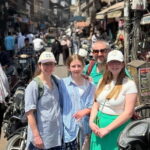
Old Agra is best seen on foot. This short cultural walk shows you daily life around temples, a classic Mughal mosque, and a spice-and-shop market that feels like the city’s real heartbeat. You’ll follow Arif (from Walks By Arif) through alleys where railways, worship, and commerce all bump into each other.
I love the way the tour starts at Agra Fort Railway Station, with that British-era architecture and the role railways play in ordinary people’s routines. I also like the mix of sacred spaces—Jama Masjid on one side and Shri Mankameshwar Mandir on the other—so you get both the Hindu and Muslim perspectives in one evening.
One thing to plan for: you’ll do a moderate walking stretch, and the tour includes visits to a mosque and temple. Bring weather-appropriate layers and wear clothes that cover your knees and shoulders, since that dress code matters here.
In This Review
- Key things that make this walk worth your time
- Old Agra on foot: why this 2-hour route feels so real
- Meeting at Bijli Ghar near Agra Fort Crossing: get oriented fast
- Agra Fort Railway Station: British architecture with local momentum
- Shri Mankameshwar Mandir: Hindu devotion in an older layer of Agra
- Spice market streets: the smells, the colors, and the shop economy
- Jama Masjid: Mughal architecture and Islamic life explained
- The guide experience: why Arif’s style is the real star
- Price and value: what $50 buys you here
- Practical tips: dress code, walking pace, and when to go
- Who this walk suits best
- Should you book the Old Agra Short Cultural Walk?
- FAQ
- How long is the Old Agra short cultural walk?
- What does the tour cost?
- What’s included in the price?
- Are food and drinks included?
- Where does the tour start?
- How much walking is involved?
- What should I wear?
- Is the tour private?
- What happens if the weather is poor?
Key things that make this walk worth your time
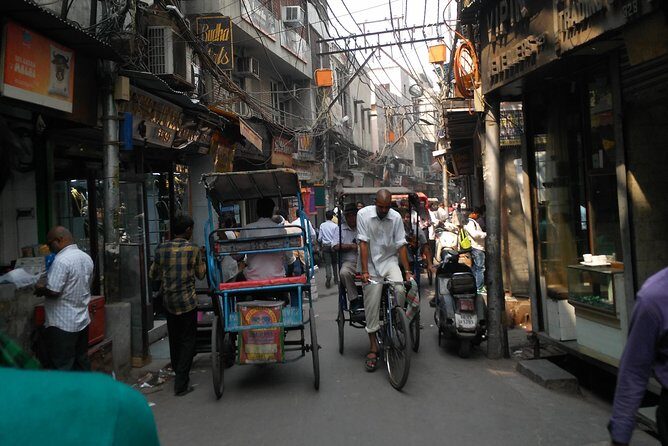
- Begin at Agra Fort Railway Station to understand how rail travel shapes everyday life in the city
- Visit two places of worship—Jama Masjid and Shri Mankameshwar Mandir—with a guide to explain what you’re seeing
- Stop in a spice market where you’ll also notice everyday shop categories like ladies cosmetics and sweets
- See old-city street life beyond the main tourist circuit with an emphasis on how people actually live
- Get a story-first guide experience with clear English and a friendly, humorous approach (especially praised in multiple accounts)
Old Agra on foot: why this 2-hour route feels so real
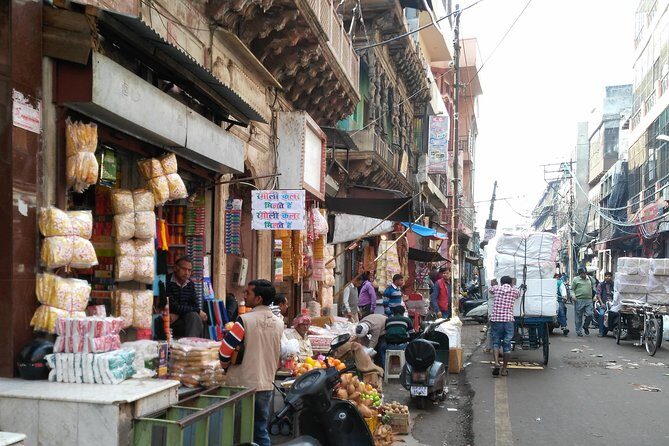
If you’re in Agra, you’ll probably see plenty of famous monuments. This walk is different. It takes you into the old part of town where life isn’t built for postcards—you’re there to watch how the city works, from morning-prayer energy to market chatter.
What makes it work is the structure: you move from railways to worship to shopping. That order matters because it shows Agra as a system, not as a list of landmarks.
And yes, it’s only about 2 hours. That’s a sweet spot when you want cultural context without burning half a day.
Other Agra city and sightseeing tours



Meeting at Bijli Ghar near Agra Fort Crossing: get oriented fast
You meet at Bijli Ghar, near Agra Fort Crossing, Pipal Mandi, Mantola, Agra, Uttar Pradesh 282002. The walk ends back at the same starting point, so you’re not stuck figuring out the route home after you’ve had your fill of street scenes and temple atmosphere.
Because the meeting point is specific, I’d recommend arriving a few minutes early and using the communication you’re given at booking. In at least one booking experience, the guide shared exact meeting-point directions via WhatsApp, which is genuinely helpful in a busy area.
You’ll be close to public transportation, so even if you’re using local transit to get to Agra Fort’s area, the timing should be manageable.
Agra Fort Railway Station: British architecture with local momentum
The walk begins at Agra Fort Railway Station, and this stop isn’t just about old brickwork. You’re guided to pay attention to how that English colonial architecture connects with the role of railways in daily life.
Think about it like this: rail is the city’s nervous system. People commute, vendors time their movements, and the station becomes a place where routines meet. Even in a short visit, the guide helps you read the space instead of just passing through it.
Time here is brief (about 10 minutes), but it’s enough to set the tone for the rest of the evening: old structures, current life.
Shri Mankameshwar Mandir: Hindu devotion in an older layer of Agra
Next you visit Shri Mankameshwar Mandir, described as one of the oldest temples in the city and dedicated to Lord Shiva. This stop is your introduction to Hindu devotional life in a way that feels grounded and local rather than museum-like.
You’ll spend around 10 minutes here, and the guide explains what you’re seeing through the lens of devotees’ everyday practices and beliefs. That matters because temples can look visually similar if you don’t know what symbols and roles to notice.
Practical note: since you’ll be entering a worship space, move calmly and follow the lead of your guide.
Spice market streets: the smells, the colors, and the shop economy
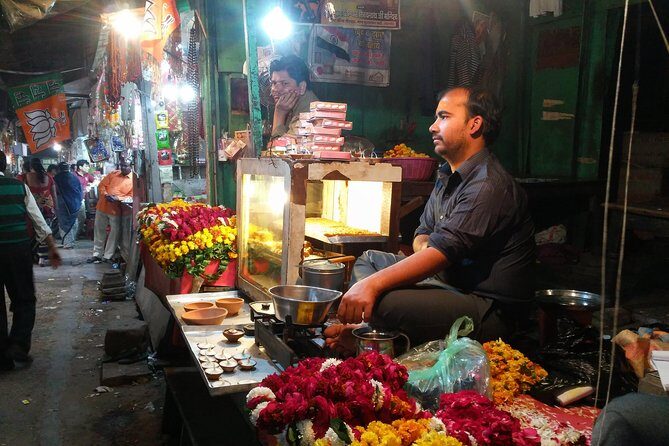
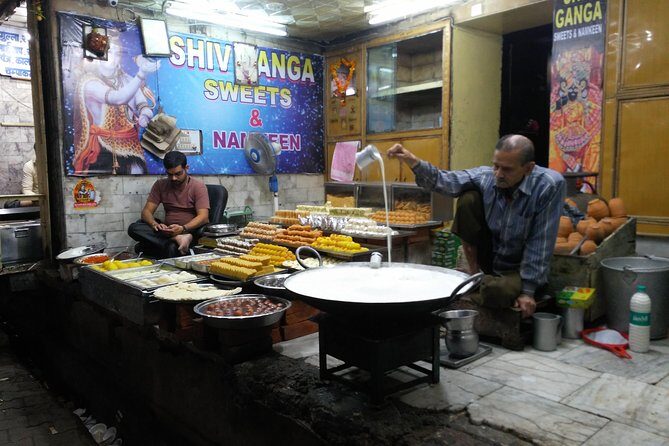
After the temples, you head into the area around the spice market. This is one of the most memorable parts of the walk because it’s not just about sightseeing—it’s about commerce you can actually watch.
Expect stops where your guide points out the shops and explains how the history of Agra ties into what you see now. The stalls and surrounding shops may include spices, ladies cosmetics, sweets, and clothes.
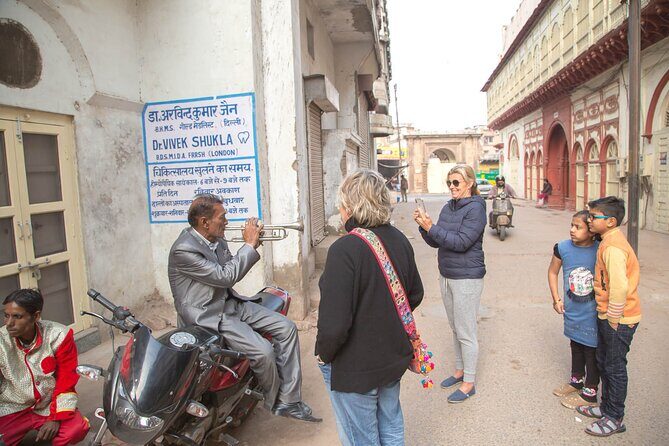
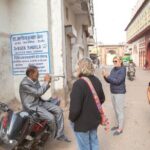
In at least one experience, the walk included glimpses of practical trades like Ayurvedic doctors and betel leaf wholesalers nearby. Even if your route varies slightly with the day and crowd, the emphasis stays the same: you’re learning how people earn, buy, and serve in the old city.
If you’re hoping to take photos, this is the best place to slow down. Just be respectful of people shopping and worshippers moving through the area.
Other walking tours we've reviewed in Agra




Jama Masjid: Mughal architecture and Islamic life explained
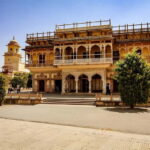
The final major stop is Jama Masjid, a grand mosque in Agra. You’ll spend around 10 minutes here, with your guide explaining the Mughal architectural style and what Islamic life in Agra looks like in practice.
For me, this is the balance point of the walk. You start with a Hindu Shiva temple and end with a major mosque, and the guide’s explanations help you avoid treating them like separate tourist stops. Instead, they become two living traditions that shape the city’s rhythms.
Because this includes a mosque visit, dress code is not optional. Wear clothing that covers your knees and shoulders, and plan for the reality that this is a working religious site, not a stage.
The guide experience: why Arif’s style is the real star
The big reason this walk gets strong ratings is the guide. Arif’s approach is story-driven, and he’s praised for being very familiar with old Agra and for speaking English clearly.
In multiple experiences, guests highlight that the tour goes beyond names and dates. You get context you can use—why a place matters, how architecture connects to time periods, and what street markets reveal about local life today. You’ll also notice a relaxed personality, including humor, which helps you feel comfortable when you’re moving through tight lanes and active neighborhoods.
For your money, this matters. A short walk can feel rushed, but a good guide turns it into a meaningful evening. You’re not just collecting photos; you’re learning how to read the city.
Price and value: what $50 buys you here
At $50 per person for about 2 hours, this is priced like a solid guided experience rather than a cheap transfer. For me, the value hinges on three things that are clearly included:
- A professional story teller/guide
- Bottled water
- Stops where admissions are listed as free (railway station ticket free, and free entry for the temple and mosque visits as described)
There’s also a “private tour/activity” setup, meaning only your group participates. That can be a big deal for comfort—less crowd pressure, more room to ask questions, and a smoother pace through markets and worship sites.
If you want the highlights of Agra’s old city without spending all evening on logistics, this price often feels fair.
Practical tips: dress code, walking pace, and when to go
This is labeled as a moderate amount of walking. It’s not an all-day trek, but you should still wear comfortable clothes and be ready for uneven sidewalks and busy crossings.
Dress code is explicit: cover your knees and shoulders for the mosque and temple. Even if you think you’ll be fine in a light scarf or short sleeves, don’t risk it here—follow the rule so you don’t get slowed down mid-walk.
The walk runs outdoors and is subject to favorable weather conditions. If the weather is poor, you’ll be offered an alternative date or a full refund. When conditions are good, evening light can make the street scenes and market colors look great in photos—without you needing long lines or timed-entry hassles.
Who this walk suits best
This experience fits you if:
- You want old-city Agra without turning it into a monument checklist
- You like markets, worship spaces, and street-level culture more than big-ticket sights
- You prefer a guide who explains meaning, not just logistics
It’s also a good choice if you’re short on time. Two hours is enough to feel like you’ve touched the city’s real pulse, especially if you’re also seeing the major monuments earlier in your trip.
If you dislike walking through active crowds or you’re uncomfortable entering religious spaces, you might find the pace and dress rules challenging.
Should you book the Old Agra Short Cultural Walk?
Yes, I think you should book it if you want Agra to feel human. This tour is built around street life, guided context at Jama Masjid and Shri Mankameshwar Mandir, and a spice-market stop where you can sense how people live and trade. The best sign is that the experience is consistently tied to a strong guide personality, with clear English and stories that make the old city easier to understand.
Book it when you can dress appropriately for temples and you’ll be in good weather. If you’re looking for a quiet, monument-only evening, choose something else. But if you want to walk through the city where locals pray and shop, this one is a smart use of your time.
FAQ
How long is the Old Agra short cultural walk?
It lasts about 2 hours (approx.).
What does the tour cost?
The price is $50.00 per person.
What’s included in the price?
You get a professional story teller/guide and bottled water.
Are food and drinks included?
No. Food and drinks are not included.
Where does the tour start?
The meeting point is Bijli Ghar, near Agra Fort Crossing, Pipal Mandi, Mantola, Agra, Uttar Pradesh 282002.
How much walking is involved?
There is a moderate amount of walking.
What should I wear?
You need clothes that cover your knees and shoulders, since the tour visits a mosque and a temple.
Is the tour private?
Yes. It’s a private tour/activity, with only your group participating.
What happens if the weather is poor?
If it’s canceled due to poor weather, you’ll be offered an alternative date or a full refund.