REVIEW · AGRA
From Agra: Visit to Wildlife SOS Elephant Conservation Trip
Book on GetYourGuide →Operated by Vishwakarma Cabs · Bookable on GetYourGuide
Elephants, but no circus act. I love the respectful distance you keep with gentle giants, and the 2-hour guided learning that explains how Wildlife SOS supports elephants after cruelty. One thing to consider: the entry ticket is compulsory (it also supports the work), and you can’t bring luggage or large bags.
This is set up as a straightforward private transfer from anywhere in Agra, with an English host/greeter and a water bottle included. The transport has a strong reputation too, with 94% of reviewers giving a perfect score—useful when you’re trying to fit ethical animal time into a busy Agra day.
If you want an Agra day that’s more than sightseeing—more like meeting a mission in action—this trip is a solid pick. Just bring comfortable shoes and be ready for a meaningful, sometimes emotional, guided experience.
In This Review
- Key highlights to look for
- A fast Agra day trip to an elephant care center
- Private pickup and the road out of Agra
- Arriving at Wildlife SOS: what the center visit really is
- The guided 2-hour tour: pace, focus, and best moments
- Respectful viewing distance (and why you’ll want comfy shoes)
- Price and value: the $26 transfer plus the entry ticket
- Who this trip is for (and who should rethink it)
- Final verdict: should you book this Wildlife SOS trip from Agra?
- FAQ
- How long is the Wildlife SOS Elephant Conservation Trip from Agra?
- Is Agra pickup and drop-off included?
- What does the price include?
- How much is the admission ticket?
- Is the tour guided, and what language is used?
- What should I bring?
- Are there luggage restrictions?
- Can I cancel and get a refund?
Key highlights to look for
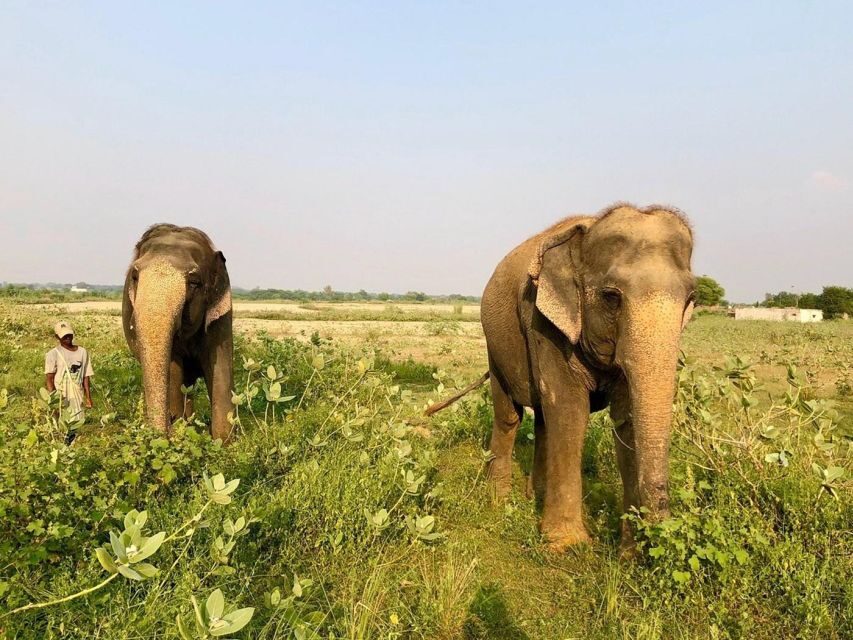
- Private Agra pickup and drop-off for up to two people, making timing easier than group shuttles
- A compulsory Wildlife SOS entry ticket (Rs 2000 per person) that functions as both access and donation
- A guided 2-hour center tour focused on daily elephant care and the elephants’ past
- Respect-first viewing with rules that help keep both elephants and visitors safe
- English-speaking support from the host/greeter and tour team
- Care work that includes a moving resting place for passed elephants
A fast Agra day trip to an elephant care center
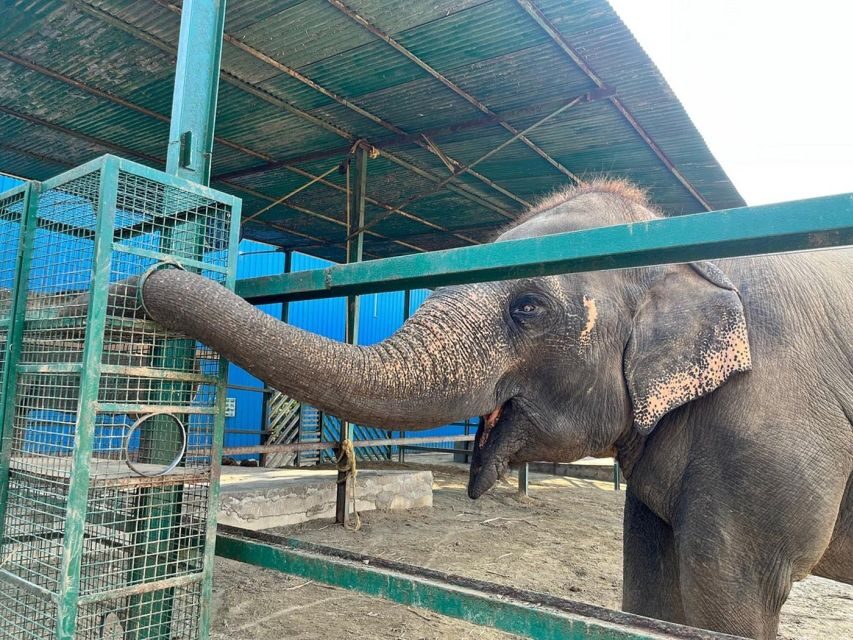
This trip is built for people who want to do something real with their Agra time. Instead of elephant rides or entertainment, you’re going to a conservation and care center run by Wildlife SOS, where the point is to let elephants live in a safer, calmer environment and to educate visitors about why that matters.
What makes it work well for a one-day schedule is the structure. You get an efficient drive out from Agra, then a dedicated block inside the center for a guided visit. That means you’re not rushing between multiple stops, and you’re not left guessing what you’re looking at.
I also like that the experience is honest about what it is: a place that cares for elephants and explains what “care” looks like in daily practice. Several guides and drivers are praised for passion and for taking time to answer questions, which helps turn a quick visit into an education.
Other Wildlife SOS and elephant conservation visits

Private pickup and the road out of Agra
Your day starts with pickup from your chosen spot in Agra. A car and driver meet you in Agra, and you head out on a drive of about one hour to reach the Wildlife SOS Elephant Conservation and Care Center.
This transfer part matters more than it sounds. In India, timing can be unpredictable, and having a dedicated driver reduces stress. Reviewers specifically mention friendly, responsible driving and good handling through traffic. Names you might hear associated with the service include Shahid and Dev, both described as helpful and respectful during the journey.
Along the way, you may also get practical context about Agra. One account notes the driver pointed out historical buildings and kept conversation flowing, which can make the drive feel less like wasted time and more like part of the experience.
Practical tip: plan for a short day, not an all-day excursion. You’re mainly using your time efficiently at the center, and the transfer is there to get you in and out safely.
Arriving at Wildlife SOS: what the center visit really is
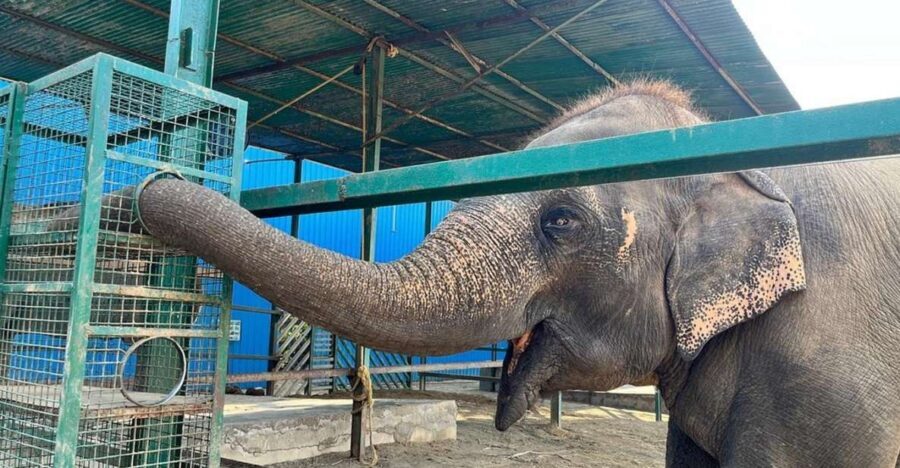
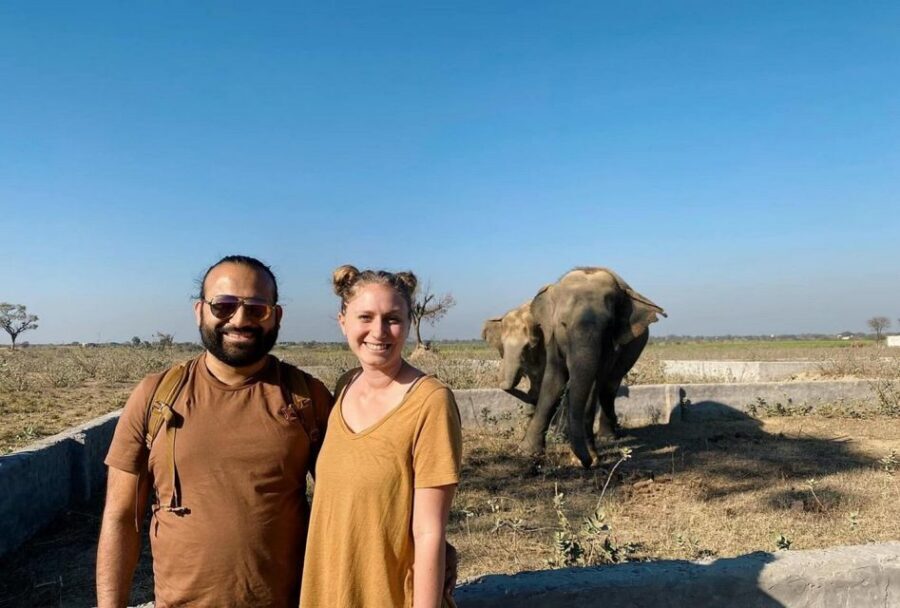
When you arrive, you’ll enter Wildlife SOS for a guided tour lasting about 2 hours. This is where the experience shifts from “seeing elephants” to understanding the mission behind the care.
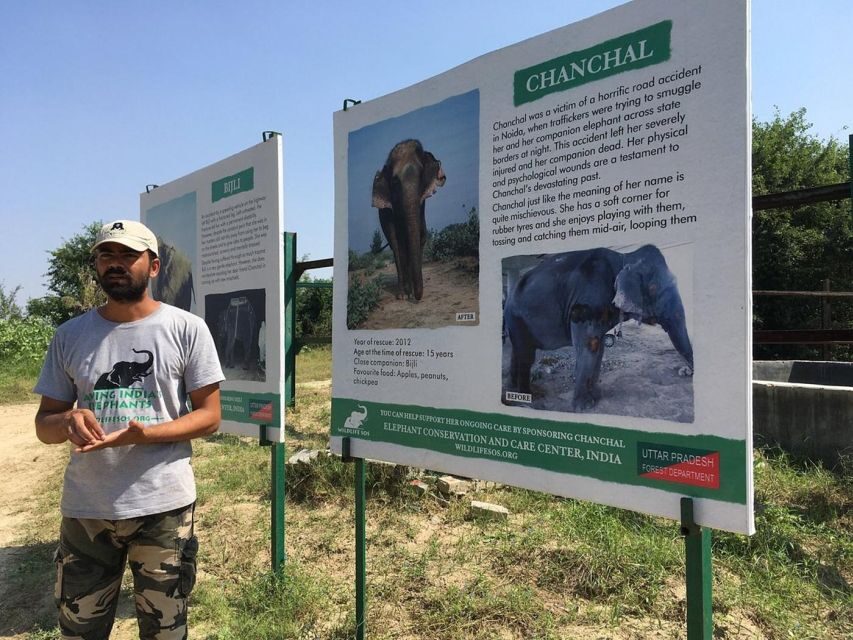
The tour is designed around education: how elephants live now, what Wildlife SOS does for their welfare, and how care plans work in a sanctuary setting. The guides are praised for being genuinely invested, and several descriptions mention learning about the elephants’ past and how they ended up in the care of the center.
One detail that shows up repeatedly in positive reactions: the visit is not just pleasant. It can be humbling. People describe the resting place for passed elephants as especially moving, which gives the day emotional weight. That doesn’t make it heavy in a bad way—it makes the whole trip feel honest, like you’re seeing both the harm elephants can face and the effort to help.
Also, the admission process matters. You’ll need to buy the ticket on-site at Wildlife SOS. It’s described as compulsory for entry and also as a donation to help run the place. So yes, you should budget for that additional cost before you go.
The guided 2-hour tour: pace, focus, and best moments
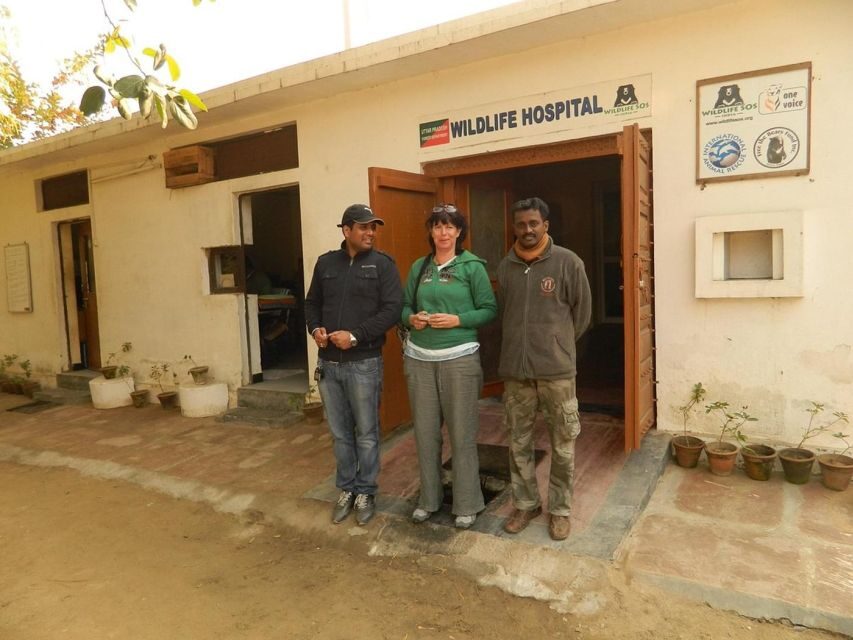
Inside the center, the tour is paced for learning. You’re not thrown into a rigid script—guides are described as passionate and willing to take time with questions. That’s a big deal if you care about details like how care routines differ for elephants recovering from past situations.
Here’s what you can expect from the focus of the visit:
- Elephant welfare and care practices: you’ll learn how the center supports elephants’ daily well-being
- Life after captivity: the tour explains how elephants are managed so they can live more peacefully
- Human impact and animal rights context: the center’s wider goal includes animal welfare work and reducing harm connected to captivity
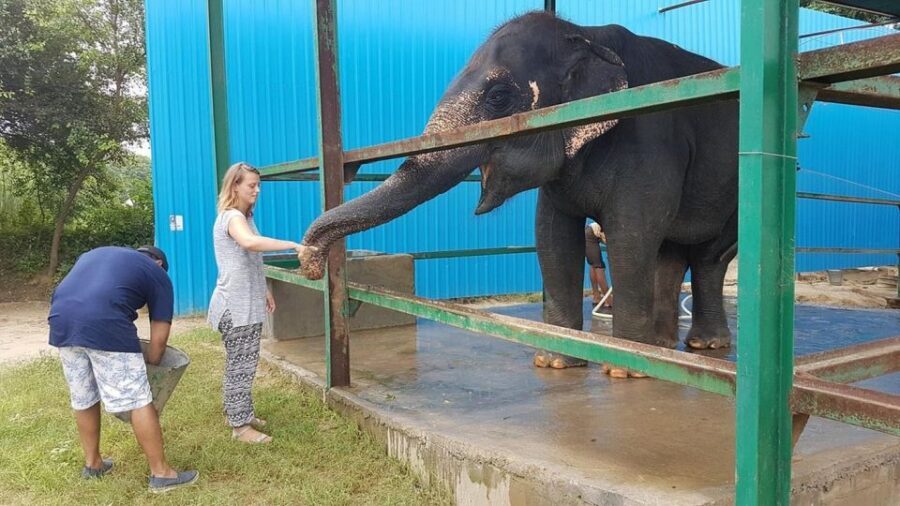
The “best moments” tend to be the quieter ones. When the guide explains what you’re seeing and why it matters, you get a calmer, more respectful feel than typical elephant attractions. A couple of descriptions highlight that visitors can enjoy being close while still keeping a respectful distance—so you get connection without turning it into entertainment.
Possible drawback: because this is a care-and-education visit, you might not get the same level of “action” you expect from a theme-park style attraction. If you’re hoping for lots of interaction or flashy photo moments, adjust your expectations and focus on the learning and observation.
Respectful viewing distance (and why you’ll want comfy shoes)
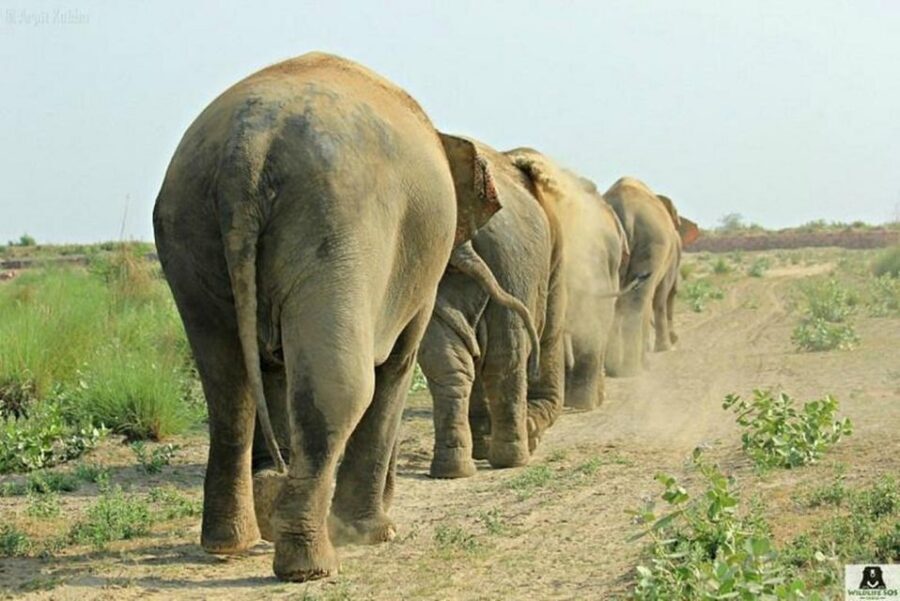
This is one of the main reasons people love the trip. You’re there to watch elephants in a way that prioritizes safety and respect. You’ll follow center guidance on spacing and behavior, and your guide helps set that tone so you know what’s expected.
The same rules that keep the experience respectful also make the visit more comfortable to take in. Several comments point out that the environment feels stress-free and that the organization helps you stay focused on the elephants rather than managing chaos.
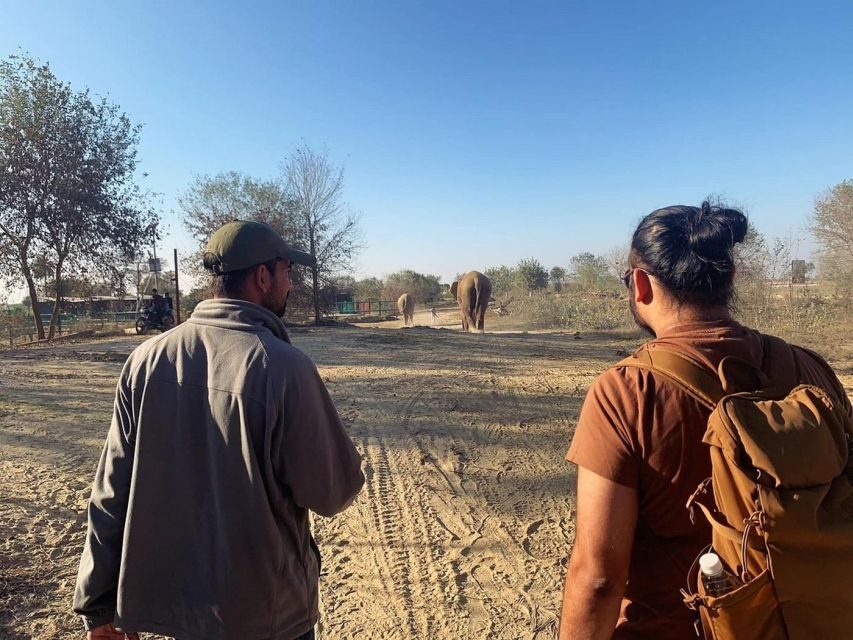
Because the visit includes walking on-site, bring comfortable shoes. That’s the only clothing requirement stated clearly, but it’s also the practical one that will make your day smoother.
Also plan your baggage. Large bags and luggage aren’t allowed, so use a small daypack and keep what you bring minimal. It’s a small inconvenience that really helps the logistics flow once you arrive.
A few more Agra tours and experiences worth a look
Price and value: the $26 transfer plus the entry ticket
The transfer price is listed as $26 per group up to 2. That’s a good deal structure if you’re traveling with a partner or a friend, because you’re sharing the cost of private transportation rather than splitting a per-person shuttle.
But the math isn’t complete until you include the on-site admission ticket. The center admission is Rs 2000 per person, and you buy it directly at Wildlife SOS. The ticket is described as compulsory and also functions as a donation supporting the center’s operation.
So what’s the value?
- You pay for private pickup/drop-off anywhere in Agra, plus a water bottle
- You get a guided visit block that’s built around education, not just observation
- You’re supporting conservation work through the ticket donation
If you’re traveling solo, ask yourself whether you’re okay paying a private transport rate while still enjoying the center time as the main highlight. If you can go with a second person, the transfer cost becomes easier to justify.
Who this trip is for (and who should rethink it)
This is a strong fit for:
- People who want ethical elephant experiences in Agra, not riding or show-style interactions
- Families or couples who prefer a calm day with a clear schedule and a guide
- Anyone who appreciates a sanctuary that explains animal welfare rather than hiding it
It may not be ideal for you if:
- You only want entertainment-style attractions with lots of spectacle
- You expect to carry heavy luggage around (it isn’t allowed)
- You want interaction beyond what rules permit
One more note: English support is stated. If you don’t speak English, you might still follow the visuals, but the tour is specifically framed with English host/greeter support.
Final verdict: should you book this Wildlife SOS trip from Agra?
I’d book it if your goal is to use Agra time to learn and support elephant welfare in a respectful way. The private transfer makes it easy, the center visit is the real core (about 2 hours), and the guidance is repeatedly described as passionate and informative. Add in the fact that the entry ticket supports the work, and you’re not just consuming a visit—you’re contributing to care.
I’d be cautious if you’re traveling with lots of luggage or you’re hoping for an attraction where you can do more hands-on activities. This is about distance, education, and animal welfare rules.
If you’re flexible on timing, go for the version that fits your day best, wear comfortable shoes, and come prepared for an experience that can be both joyful and a bit sobering—in the good, motivating way.
FAQ
How long is the Wildlife SOS Elephant Conservation Trip from Agra?
The total experience is listed as 1 day, with about 1 hour of driving each way and a 2-hour guided tour inside the center.
Is Agra pickup and drop-off included?
Yes. Private transfers include pickup and drop-off from any location within Agra.
What does the price include?
The price includes private transfers (up to 2 people per group) and a water bottle for all visitors.
How much is the admission ticket?
The admission ticket is Rs 2000 per person. It is compulsory to enter Wildlife SOS and is purchased directly at the center.
Is the tour guided, and what language is used?
Yes. There is an English host/greeter, and the tour is described as being guided during the 2-hour center visit.
What should I bring?
Wear comfortable shoes. A water bottle is included with the trip.
Are there luggage restrictions?
Yes. Luggage or large bags are not allowed.
Can I cancel and get a refund?
Yes. Free cancellation is available up to 24 hours in advance for a full refund.