Agra comes with a wildlife side trip. I love the no-planning pickup and drop-off and the air-conditioned ride that takes you straight to Wildlife SOS. My only caution: this visit can feel emotionally tough because you’ll hear stories tied to abuse and violence.
The big win here is simplicity. You get a private driver in Agra, a focused visit at Wildlife SOS, and a day that stays calm instead of turning into a transport puzzle. You’re also able to choose between the Elephant Zone and the Bear Zone, so you can tailor the experience to what you care about most.
Value-wise, the transport price is reasonable for a small group, but don’t forget the on-site donation for entry (paid directly at Wildlife SOS). Plan on spending a bit more once you’re there, and you’ll get a far more meaningful, properly supported conservation visit.
In This Review
- Key highlights worth your attention
- A Private, Air-Conditioned Shortcut to Wildlife SOS in Agra
- Choosing Elephant Care or the Bear Zone: What You’ll Actually See
- Stop 1: Wildlife SOS Entrance and the Main Visit (About 2 Hours)
- Stop 2: Elephant Conservation and Care Center (About 30 Minutes)
- Price and Value: Private Transfer vs. the On-Site Donation
- What It Feels Like Day-of: Calm Logistics and a Meaningful Experience
- Who Should Book This Private Wildlife SOS Transfer
- Should You Book This Private Wildlife SOS Transfer?
- FAQ
- How long does the trip take?
- Is the transport private?
- Do I pay anything at Wildlife SOS?
- Is there a choice between elephants and bears?
- What’s included in the price?
- Is it suitable for most people?
Key highlights worth your attention
- Door-to-door private transfer in Agra means no bargaining, no bus hops, and no guessing schedules.
- Elephant Zone or Bear Zone choice lets you match the day to your interests.
- Conservation-focused setting focuses on rescue, long-term care, and protecting India’s wildlife heritage.
- Air-conditioned comfort for the drive keeps the day pleasant, especially on hotter days.
- Staff-led, well-prepared explanations make the visit feel clear and respectful, not just like sightseeing.
- A moving, ethical message about not supporting harmful wildlife practices you may see elsewhere.
A Private, Air-Conditioned Shortcut to Wildlife SOS in Agra
This is one of those trips that feels like it was built for real life. Instead of planning how to get out of Agra, figuring out timing, and trying to coordinate a return, you start with hotel-area pickup and end with drop-off back in Agra. It’s a private round transfer for your group (up to 2 people per booking), and you travel in an air-conditioned vehicle.
That matters more than it sounds. Wildlife SOS is not an add-on you want to reach after a long day of sightseeing chaos. With private transport, you can keep the day smooth and arrive when you’re fresh enough to focus on what you came for: conservation work.
The vehicle and timing are also built around keeping you from wasting time. The overall duration is listed as about 4 hours, while the Wildlife SOS portion runs around 2 hours, with an additional 30 minutes at the elephant conservation and care area. In practice, the transfer time and on-site movement are what fill the rest of the time window.
I also like that the service provides a bit of structure without overcomplicating things. You get a message after booking confirmation asking for your pickup location, and you receive a mobile ticket. That’s the kind of detail that prevents day-of confusion.
Other Wildlife SOS and elephant conservation visits

Choosing Elephant Care or the Bear Zone: What You’ll Actually See
Wildlife SOS offers you a choice: you can visit the Elephant Zone or the Bear Zone. That simple option is a big deal because it turns the trip into something personalized instead of a one-size-fits-all outing.
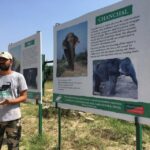
If elephants are your focus, you’ll spend time at the elephant care and conservation area. The experience is centered on rescued elephants and the people who work to provide long-term care and rehabilitation. Based on the emotional tone of past visitors’ comments, you should expect to learn why these animals ended up in the program and what life is like afterward.
If you’re more interested in bears, you can shift the day that way. You’ll still be in the same Wildlife SOS setting, but the attention moves toward another group of rescued wildlife. Either way, the guiding theme is care and conservation rather than entertainment.
One quick ethical note that came through strongly in visitor feedback: this is a good time to reflect on how wildlife is treated in captivity and what types of activities you should avoid supporting. If you’ve seen any animal attractions that encourage riding or other harmful contact, this trip can help you frame a better choice for the future.
Stop 1: Wildlife SOS Entrance and the Main Visit (About 2 Hours)
Your day begins at Wildlife SOS. The transfer is designed so your private driver takes you directly to the entrance, so you’re not trying to locate a site from scratch after you arrive in the area.
At the entrance, you can select the zone you want to focus on (Elephant or Bear). The visit is listed as 2 hours, and visitors consistently describe the session as eye-opening and information-rich. That tells me the structure is meant to teach you while you’re on-site, not just let you wander.
Also note the “ticket” language can be confusing. The tour includes an admission ticket as free, but Wildlife SOS requires a compulsory donation/entry fee that you pay directly to Wildlife SOS on arrival: ₹2,000 per person. So budget for that extra amount even though the tour itself advertises the admission ticket as free.
Here’s how to make the most of this stop:
- Go in ready to learn. The stories shared are not just facts; they’re tied to what happened to the animals before rescue.
- Keep your expectations realistic. This is a conservation and care facility, not a theme park.
- Bring patience for emotion. Many visitors found the content moving, because the past is hard to hear.
If you want a visit that feels gentle and purely cheerful, this may not match your mood. But if you want honesty and context, this is exactly the kind of place that delivers it.
Stop 2: Elephant Conservation and Care Center (About 30 Minutes)
After the main Wildlife SOS visit, you move to the Elephant Conservation & Care Center, also known as the elephants park/care centre area. This portion is about 30 minutes and is focused enough to feel like a real “second chapter,” not a quick stop.
The tone here is practical and compassionate. Past visitors highlighted that the people working in the elephant area are passionate and that the explanations connect directly to how rescued elephants are cared for. You’re not just seeing animals behind a fence; you’re being guided to understand what care involves over time.
This is also where you may notice how “short and sweet” the format can feel. One piece of feedback was that some people wished the activity were more dynamic, and that there could be more hands-on involvement (like helping with preparing food). That’s not promised as part of this transfer, and the itinerary stays mostly viewing plus explanation.
So consider what you prefer:
- If you like watching and learning, this 30-minute focus will likely feel solid.
- If you’re hoping for an active volunteer-style experience, you might find the time short and more observation-based than hands-on.
Still, the core value is clear: a focused look at care, rescue, and long-term welfare.
Price and Value: Private Transfer vs. the On-Site Donation
The listed price is $24.61 per group (up to 2), and it includes private transportation plus a bottle of water for visitors. That’s the part you’re comparing to other ways of getting there (taxis, rickshaws, or self-planning public transport).
For many people in Agra, the real value is what you don’t have to do:
- No figuring out the best way to reach Wildlife SOS.
- No coordinating a return ride.
- No wasting energy on route and timing decisions.
The elephant and bear experience itself is where the “real” conservation impact comes from. That’s why the ₹2,000 per person donation is so important. It’s paid directly to Wildlife SOS, and it’s what helps fund the long-term work you came to see.
So your total day cost has two parts:
- The transport fee you book in advance
- The on-site donation for each person
When you budget that way, the price makes sense. You’re paying for comfort and time savings, while also contributing directly to the facility you’re visiting.
One more practical point: this is often booked ahead. The trip is listed as commonly booked about 36 days in advance on average, which suggests you’ll want to plan early in busy seasons if you want your preferred time.
Other private tours in Agra






What It Feels Like Day-of: Calm Logistics and a Meaningful Experience
The vibe of this outing is built around being calm. You’re not managing a crowded itinerary. Instead, you get a private driver, a clean transfer, and a focused on-site program.
On the service side, you’ll likely appreciate the “arrive at the gate” approach. It cuts the stress that comes with trying to coordinate multiple things in a city that can be lively and busy. On the animal side, the experience is framed around rescue and care, and visitors describe it as informative and memorable.
You should also know this is not a quick photo stop. The value is in the explanations and the conservation perspective. When visitors say the guide is well prepared and that staff clearly care, that aligns with what you’re likely to feel: the information is meant to stick.
And yes, it can be heavy. The stories about abuse and violence are part of why Wildlife SOS exists, and they aren’t sugarcoated. If you’re sensitive to that type of content, plan your day accordingly and maybe pair the visit with a gentle dinner afterward.
Who Should Book This Private Wildlife SOS Transfer
This trip fits best if you want three things:
- Animal-focused conservation learning
- Simple logistics from Agra
- A private experience rather than shared transport and waiting
It’s especially suitable for:
- Families or couples who don’t want to deal with public transport stress
- People who care about rescued wildlife and want context, not just sightseeing
- Visitors who prefer the comfort of an air-conditioned ride
It may be less ideal if:
- You’re looking for hands-on volunteering or interactive tasks as part of the program
- You want a purely light, cheerful outing
- You’re trying to do too many stops in one day, because the experience deserves your attention
The overall rating is 4.8 out of 5, with 98% recommending it based on the provided summary. That suggests this service consistently hits the practical needs while still landing the emotional and educational goals.
Should You Book This Private Wildlife SOS Transfer?
If your priority is a smooth, well-paced day from Agra with a real conservation focus, I’d book it. The private, air-conditioned transfer removes the biggest friction point, and it gets you to Wildlife SOS without the usual scramble. The time investment is manageable (about 4 hours total), and the on-site content is the main event.
Just go in with two expectations set:
- You’ll pay the ₹2,000 per person donation on-site, regardless of the tour’s transport price.
- The stories around rescued animals can be emotionally intense, especially if you are sensitive to topics like abuse.
If that sounds like your kind of meaningful travel, this is an easy yes. If you want a light, low-emotion outing, you might prefer a different kind of Agra day trip.
FAQ
How long does the trip take?
The total duration is listed at about 4 hours, with the Wildlife SOS main visit around 2 hours and an additional 30 minutes at the elephant conservation and care center.
Is the transport private?
Yes. It’s a private tour/activity, and you only share the experience with your group.
Do I pay anything at Wildlife SOS?
Yes. While the tour includes an admission ticket listed as free, Wildlife SOS requires a compulsory donation/entry fee of ₹2,000 per person, paid directly to Wildlife SOS.
Is there a choice between elephants and bears?
Yes. You can choose to visit either the Elephant Zone or the Bear Zone.
What’s included in the price?
Included items are private transportation and a bottle of water for all visitors.
Is it suitable for most people?
The trip lists that most travelers can participate. It doesn’t list any specific limitations, so if you have mobility concerns, it’s smart to plan around the amount of time spent walking and standing inside the facility.