REVIEW · AGRA
Agra: Monkey Safari Guided Walking Tour
Book on GetYourGuide →Operated by Fortunate Agra Tour · Bookable on GetYourGuide
Monkeys turn the corner on this Agra walk, mixing wildlife and neighborhood life. I like the chance to watch rhesus macaques and langurs in their natural urban setting, and I like that your guide keeps the focus on behavior and safety from the first minute. A key consideration: mid-day heat can make everything slower, and you won’t be allowed to feed the monkeys yourself.
This is a 3-hour, English-guided walking safari in Agra, with pickup and drop-off handled by a private AC car for the full outing window. Expect narrow lanes, temple areas, and even rooftop-style viewpoints where monkeys often pop into view, plus time for photos and a chai-or-lemon-water break to keep you steady while you watch.
In This Review
- Key highlights you’ll actually care about
- How the guided Monkey Safari works in Agra
- Your guide’s monkey behavior and safety briefing (the part that makes it worth it)
- Langurs and rhesus macaques: what you’ll spot on the walk
- The neighborhood route: temple lanes, rooftop moments, and quieter corners
- Cultural stories you’ll connect to what you’re seeing
- Photo moments: safe angles and real chances to get shots
- Best time of day to see more activity
- The tea break that actually helps your pace
- Price and value: what $54 buys you in Agra
- Who should book this Monkey Safari walking tour
- Should you book the Agra Monkey Safari?
- FAQ
- How long is the Monkey Safari guided walking tour in Agra?
- What does the tour include?
- Is the tour in English?
- Will I be able to feed the monkeys?
- Where does the walking safari take place?
- Is there a tea or snack stop?
- What’s the best time to go for more activity?
- What’s the cancellation and payment flexibility?
Key highlights you’ll actually care about
- Safety briefing before you start walking, so you know what to do if monkeys get curious
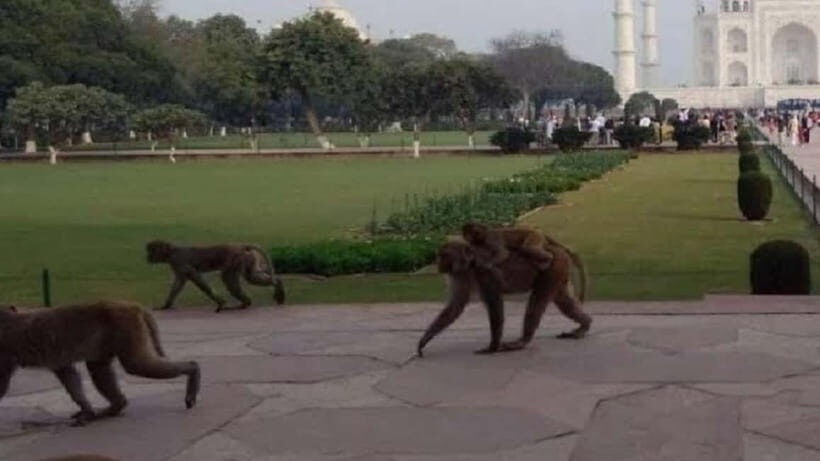
- Real monkey ID help, including rhesus macaques and langurs, plus how to spot the common patterns
- Old Agra lanes and temple areas, not a generic “walk and hope” route
- Hanuman legends and local monkey co-existence stories, tied to what you’re seeing
- Photo-friendly guidance, including where to stand for good shots and safe viewing
- Masala tea (and sometimes lemon water) with a light snack, a simple energy reset mid-walk
How the guided Monkey Safari works in Agra
The experience is built like a small, guided wildlife hunt with a culture backbone. You’re picked up in Agra and moved by private AC car, then your guide gets you oriented before you head out on foot. That first briefing matters. You learn how to read monkey mood and movement, and you get clear rules for keeping space. When you know what you’re looking at, you spend less time guessing and more time watching.
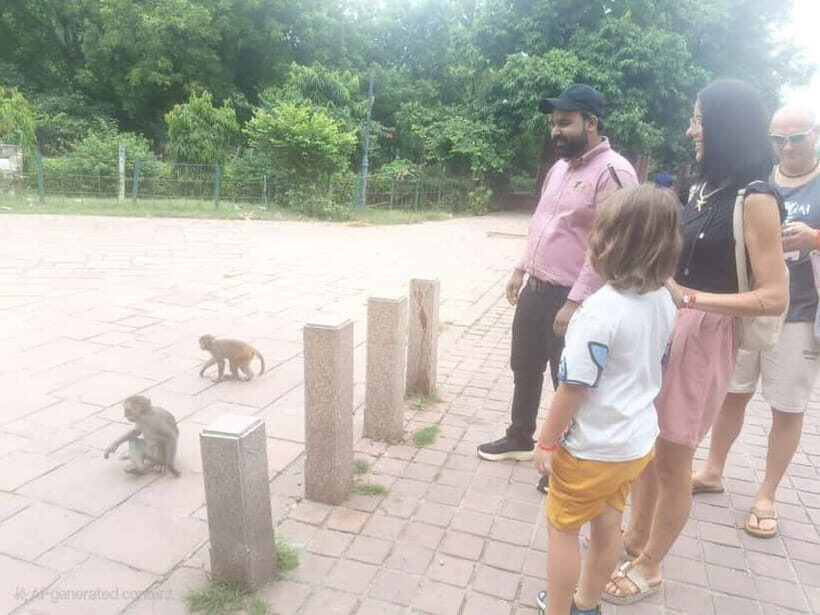
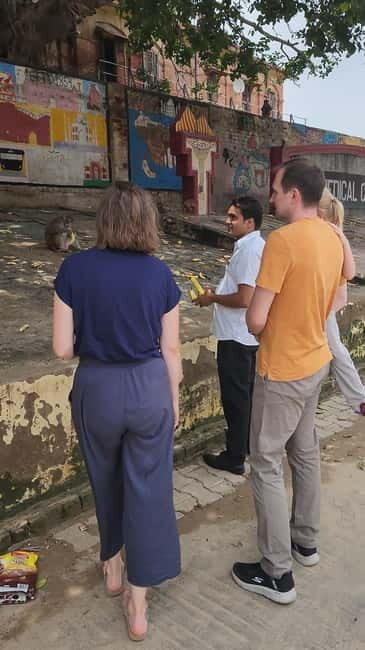
Once you’re walking, the pace stays focused rather than rushed. You move through lesser-known lanes and temple-adjacent areas where monkeys are a regular part of the street scene. This isn’t a zoo-style tour with staged exhibits. It’s urban wildlife observation, with the guide helping you choose the right moments to look and the right angles to photograph without crowding.
And yes, there’s downtime. You’ll get an on-route refreshment break with Indian masala tea (and sometimes lemon water), plus a light snack. That small pause is a big deal in Agra’s heat. It keeps the tour enjoyable instead of turning it into a sweaty sprint.
Other walking tours we've reviewed in Agra

Your guide’s monkey behavior and safety briefing (the part that makes it worth it)
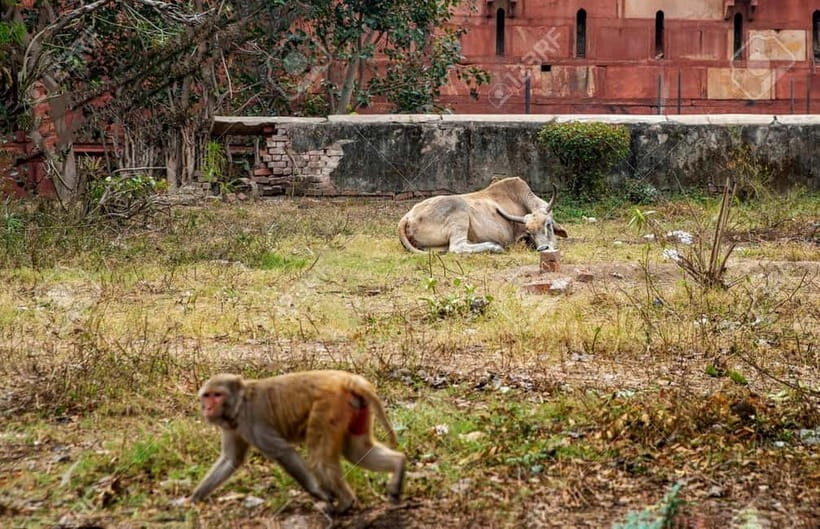
Before you even reach the monkey-watching zones, you get a short safety and behavior lesson. This is the difference between watching animals casually and watching them responsibly.
Your guide focuses on practical things like:
- How monkeys move in groups and what that usually signals
- What common behaviors look like when they’re resting versus active
- How to keep your distance while still getting good views
- Basic street-sense rules for sharing space with urban wildlife
A lot of people assume the main challenge is just seeing monkeys. The real challenge is staying calm when they get close, curious, or scattered. The guide’s job is to reduce surprises. You’ll also be reminded that you won’t be allowed to feed the monkeys. Feeding them is handled as part of the guide’s instruction approach, but your hands are for yourself.
That rule sounds small, but it changes the whole dynamic. You’re less likely to trigger scramble behavior, and you’re more likely to see the monkeys acting like monkeys instead of reacting like they’re being trained.
Langurs and rhesus macaques: what you’ll spot on the walk
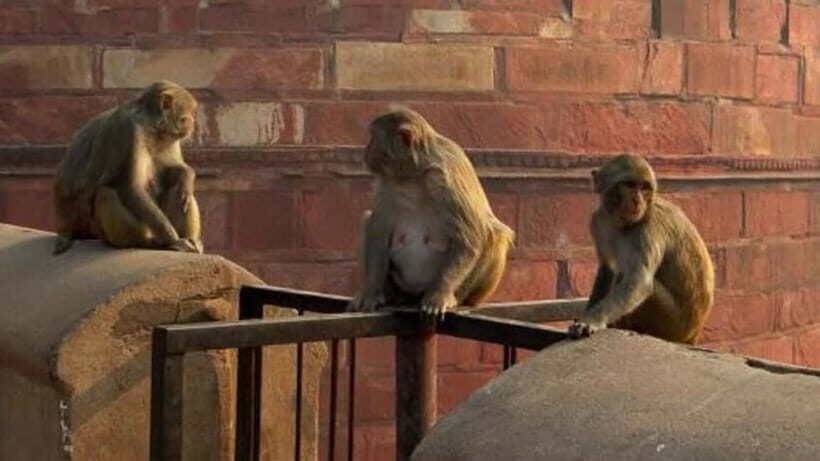
You’re not just chasing one kind of monkey. The tour is set up to help you notice different species and the way they use the street.
In Agra, you’ll be looking especially for:
- Rhesus macaques, often active and curious around people
- Langurs, which can show up in different postures and movement patterns as they travel through the area
Your guide helps you make sense of what you’re seeing. You’ll learn about social behavior, including how monkeys interact with each other as a group. You’ll also hear about feeding habits in general terms—what they’re drawn to around human spaces and how that ties into daily life.
One of the best parts is that the guide ties behavior to location. Instead of saying monkeys like rooftops or lanes in a vague way, you’re coached on how and when they use those spots—so you’re not standing around hoping for a sighting.
The neighborhood route: temple lanes, rooftop moments, and quieter corners
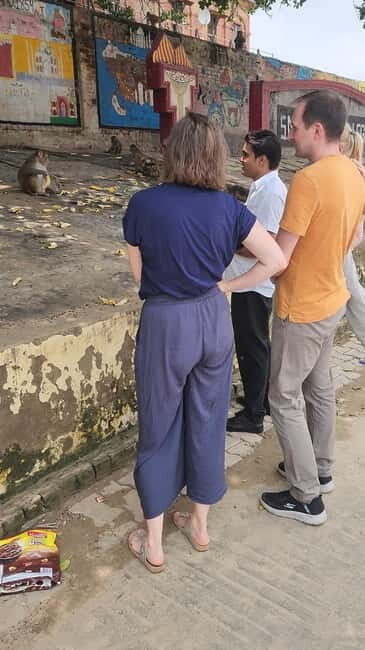
A big reason this tour feels more satisfying than a standard wildlife outing is where you walk. You spend time in older neighborhood areas and temple complexes where monkeys are commonly present.
This is where you get:
- Narrow lanes where monkeys may be moving overhead or down the side edges of buildings
- Temple areas where you’ll notice how human activity and animal activity overlap
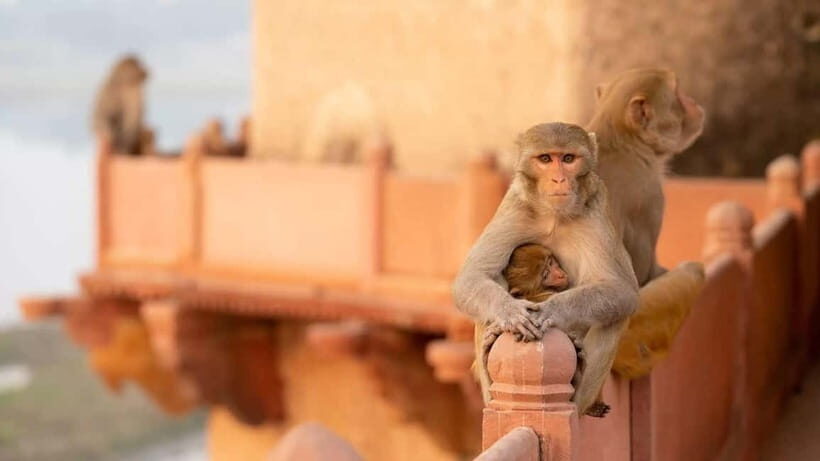
- Rooftop-style viewpoints, including spots where monkeys are spotted above you rather than just at street level
The guide also helps you interpret context. When you see a monkey pausing on a ledge or moving along a wall, you’re not just watching random animal behavior—you’re learning how monkeys use the urban layout. That’s what makes the safari feel like learning, not just sightseeing.
The only drawback here is that temple lanes can involve uneven ground and crowded spots. The tour is listed as wheelchair accessible, but it also flags that it’s not suitable for people with mobility impairments. If you’re dealing with mobility limitations, confirm route details with the operator before you go.
Cultural stories you’ll connect to what you’re seeing
This tour doesn’t treat monkeys as a separate topic. Your guide links the wildlife to local stories and everyday co-existence.
Expect legends involving Lord Hanuman, the monkey god. The point isn’t trivia. The stories help you understand why monkeys show up as symbols in local belief and why their presence is something people manage, not something that surprises them.
You’ll also learn how locals protect food and homes while living alongside monkeys. That’s practical wisdom, and it helps you understand the street rules you’ll observe during your walk. If you’ve ever wondered why someone quickly covers something or why certain areas are treated differently, this tour gives you the reasoning.
In a place like Agra, where tourism often focuses on big-name monuments, this kind of local explanation changes the whole tone of your day. You’re learning the human side of the wildlife story.
Other walking tours we've reviewed in Agra




Photo moments: safe angles and real chances to get shots
Photography is built into the experience. There’s time for wildlife and street photography, and your guide helps you spot the best moments.
Here’s how to get better results without stressing the monkeys:
- Wait for the guide to point out where the action is likely to happen
- Follow the standing and viewing guidance so you don’t block others or create chaos
- Keep your movements controlled if a monkey approaches closer than expected
Mid-walk, you’ll likely get calmer windows when monkeys pause, sit, or move slowly. Those are your best photo times because you can frame without sprinting after the animal. Your guide also steers you toward safe viewing angles, which is where most people either get great photos or accidentally make the situation harder.
Best time of day to see more activity
The timing advice from real experience is simple: plan for monkey activity. If you can, go earlier in the morning or later in the day when monkeys tend to be more active.
Mid-day in Agra can be hot, and the monkeys may not move as much. Even with a great guide, heat affects you and can flatten the pace of the walk. If you’re choosing between time slots, you’ll usually enjoy the safari more when the temperature is less punishing.
If you’re traveling with kids, earlier tends to work better too. You keep energy up and you get more chances for short bursts of action.
The tea break that actually helps your pace
Halfway through your walking safari, you get a refreshment break. You’ll have masala tea as part of the included experience, and you might also be offered lemon water with a light snack depending on what’s available during the route.
This stop often happens at a rooftop café or a local eatery setup with views of the surrounding area where monkeys may be in sight nearby. Even if you don’t see monkeys during the break, it’s still useful. You sit, hydrate, and regroup before the final stretch back.
This is also a good time for quick questions. Your guide can answer what you just saw and what to look for on the return walk, so you leave the tour feeling like you learned something, not just watched something.
Price and value: what $54 buys you in Agra
At about $54 per person for a 3-hour outing, you’re paying for more than a walk. You’re paying for a trained guide, private AC car transport during the activity window, and included touches that keep the tour comfortable.
You get:
- Pickup and drop-off
- A private AC car for the entire tour block
- A professional English guide
- Mineral water
- Indian masala tea
- Tolls and parking
Is it a bargain? It can be, especially if you’re comparing it to hiring a guide on your own without the built-in comfort extras. The value is highest when you actually use the guide’s strengths: reading monkey behavior, knowing where sightings are likely, and understanding the cultural stories behind the animals.
If you’re the type who just wants quick photos from a viewpoint, a guided walk might feel like paying for coaching. But if you want meaning and safety while you watch wildlife, this price usually makes sense.
Who should book this Monkey Safari walking tour
This tour fits best if you:
- Want guided wildlife viewing in Agra, focused on understanding behavior
- Enjoy walking through real neighborhoods rather than only big monuments
- Like learning why locals live alongside animals, not just watching the animals
- Want a family-friendly experience with a guide who keeps things safe and structured
I’d be a cautious match if you:
- Have mobility limitations and need a very smooth, step-free route
- Get uncomfortable around animals in close urban settings (even with safety rules, you’ll be sharing space)
It can still work for kids, and it tends to feel educational without being lecture-heavy. The guide’s job is to keep the pace manageable and the safety focus clear.
Should you book the Agra Monkey Safari?
If your goal is to see langurs, rhesus macaques, and other monkey life while also learning the human context of why they’re part of Agra’s streets, I think you’ll enjoy this. The best part is the guide-led behavior and safety coaching. It turns random monkey sightings into a real experience you can understand.
Book it if you can handle a couple hours of walking through lanes and temple-adjacent areas, and if you can choose timing that avoids the harshest heat. Skip or ask questions first if mobility issues are a concern, since the tour includes both wheelchair accessibility language and a note that it may not suit people with mobility impairments.
For the right traveler, this is an easy win: wildlife viewing with street-level culture, plus chai, plus a guide who helps you watch smart.
FAQ
How long is the Monkey Safari guided walking tour in Agra?
The tour runs for 3 hours.
What does the tour include?
It includes pickup and drop-off, a private AC car for the tour activity window, a professional English guide, mineral water, masala tea, and tolls and parking.
Is the tour in English?
Yes, the live tour guide speaks English.
Will I be able to feed the monkeys?
No. Guests are not allowed to feed the monkeys. The guide provides education about feeding habits and monkey behavior without guest feeding.
Where does the walking safari take place?
You’ll walk through historic neighborhood lanes and temple complex areas in Agra where monkeys are commonly seen.
Is there a tea or snack stop?
Yes. You’ll get chai or lemon water with a light snack, and it may be at a rooftop café or a local eatery with monkey viewing nearby.
What’s the best time to go for more activity?
If possible, go early morning or later in the day when monkeys tend to be more active. Mid-day heat can slow things down.
What’s the cancellation and payment flexibility?
You can cancel up to 24 hours in advance for a full refund. You can also reserve and pay later.