REVIEW · AGRA
Agra City Cultural Walk
Book on Viator →Operated by Walks By Arif · Bookable on Viator
Old Agra wakes fast. An early-morning walk through old lanes, with stories from a real guide, is the best way I know to see how daily life and big monuments share the same streets. My favorite parts are the battery-powered eco-rickshaw pickup that gets you into the old city without stress, and the way your guide (often Arif) explains what you’re looking at in clear English with helpful local context.
One heads-up: you’ll be walking on uneven old-city lanes, so you’ll want moderate fitness, plus the dress code (shoulders and knees covered) is real since you’ll visit a mosque and a temple.
In This Review
- Key things to know before you go
- Early-morning lanes, rickshaw pickup, and why timing matters
- Entering old Agra via Agra Fort Railway Station
- Shri Mankameshwar Mandir: a calm stop with real cultural context
- Jama Masjid: how to be respectful and what to notice
- A guide like Arif makes the old lanes make sense
- Price and logistics: what $100 buys you in real terms
- Pace, physical comfort, and what to wear in old Agra
- How to get the most from the three short stops
- Who this walk suits best
- Should you book Agra City Cultural Walk?
- FAQ
- Is hotel pickup included?
- How long is the Agra City Cultural Walk?
- What stops are included on the walk?
- Are entrance tickets included?
- What is the dress code?
- Is bottled water provided?
- Do I need moderate physical fitness?
- Is this tour private?
- What happens if weather is poor?
- Can I cancel for a full refund?
Key things to know before you go
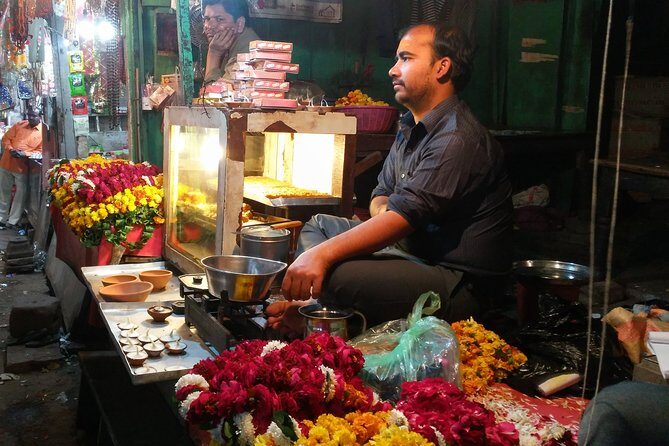
- Early start means you catch Agra while people are setting up, not after everything crowds up
- Hotel pickup and drop-off saves time and avoids the classic, I’m-lost-on-day-one problem
- Battery powered eco-friendly rickshaw gets you from your hotel area into the old city faster
- Three focused stops: Agra Fort Railway Station, Shri Mankameshwar Mandir, and Jama Masjid, each with short history talk
- Small but useful inclusions: professional guide, bottled water, and the Agra Fort Railway Station admission ticket
Early-morning lanes, rickshaw pickup, and why timing matters
This is built for the morning rhythm. You start early from your hotel, then ride into the old city area in a battery powered eco-friendly rickshaw. After that, you leave the rickshaw behind and go on foot, which is where the experience really clicks: you’re not just seeing landmarks, you’re watching how the area functions.
The time of day matters more than it sounds. In the morning, you’ll typically have an easier walk, less heat pressure, and a more natural look at daily routines—small shops opening, people moving between religious sites and errands, and the city’s layered past sitting right next to normal life.
Other Agra city and sightseeing tours



Entering old Agra via Agra Fort Railway Station
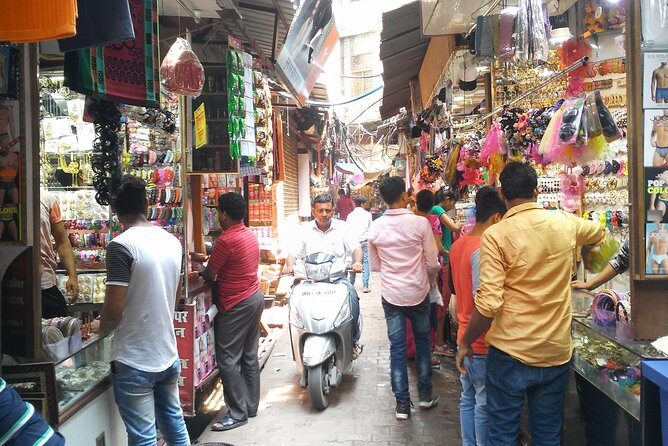
Agra Fort Railway Station is the first story stop, and it’s a smart choice. It’s not the big postcard point most people fixate on, but it connects the dots between Agra’s status, movement, and how infrastructure shapes a city over time. The walk includes an admission ticket here, so you’re not stuck sorting out entry rules mid-morning.
In a good walking format, the guide doesn’t just list facts. You’ll get the kind of explanations that help you read the architecture and the layout like a map. One of the most praised aspects of this walk is how the guide ties buildings and streets to the broader changes in Agra—think Mughal-era prominence followed by later British influence—and you start to see why the city looks the way it does.
Time check: you’ll spend around 10 minutes at this stop. It’s short, which is great if you want momentum, but not ideal if you’re the type who likes to linger in every corner.
Shri Mankameshwar Mandir: a calm stop with real cultural context
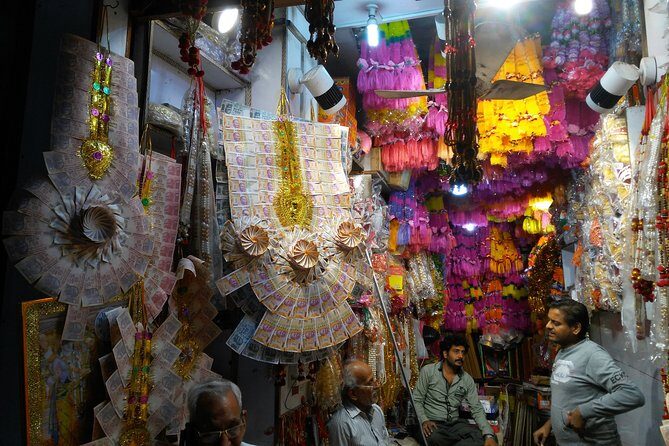
Next comes Shri Mankameshwar Mandir. This is another brief stop (about 10 minutes) with history and stories from your guide, and admission is free. What I like about placing a temple stop in the middle of a city walk is the contrast: you get a different pace, a different mood, and a clearer sense of what religion means in everyday Agra.
Dress code matters here. The tour asks you to cover your knees and shoulders since you’ll be visiting both a temple and a mosque. I’d treat this as non-negotiable, because it affects how comfortable you’ll feel inside and around the sacred spaces.
Also, this isn’t a long devotional visit. It’s more like a cultural orientation pause—enough time to understand significance and behavior, then back out into the lanes.
Jama Masjid: how to be respectful and what to notice
The final stop is Jama Masjid, with about 5 minutes of guided history and stories and free admission. Even with the short time, it’s a meaningful end point because mosques act like social and spiritual anchors in old cities. You’ll also get a chance to see how architecture, street access, and public life connect in a way that photos don’t always show.
Here’s the practical side: plan on a respectful visit. Keep your clothing rule front and center (shoulders and knees covered). Move calmly, and follow whatever your guide indicates for where and how you should stand.
Time check: 5 minutes can feel fast, but it works well for this tour style. You’re finishing with context rather than turning the walk into a long worship break.
A guide like Arif makes the old lanes make sense
This walk lives or dies by your guide, and the best part is how the guide communicates. Many people highlight that Arif speaks excellent English, stays engaging, and brings a sense of humor that keeps the walk from turning into a lecture.
What you’re paying for here is the translation layer. Old Agra can look like a maze—lanes, shops, buildings that blend into each other. A guide can point out why certain things were built or changed, and what to look for when you’re staring at walls and doorways thinking, I don’t know what I’m seeing.
There’s also a practical benefit: a strong guide helps you find small places you wouldn’t spot alone. Some descriptions mention market areas and shop types that are easier to reach with local knowledge than with an app and a guess.
One extra personal touch that has come up in past experiences: Arif has even bought small perfume as a friendly gesture during the walk for some couples. You shouldn’t count on gifts, but it hints at how he tries to make the experience feel human rather than mechanical.
Other walking tours we've reviewed in Agra






Price and logistics: what $100 buys you in real terms
At $100 per person for about 2.5 to 3 hours, this isn’t a budget street-walk. It’s priced like a guided, pickup-included experience. The value comes from three main things:
- Hotel pickup and drop-off: that’s time saved and hassle reduced, especially with an early start
- A professional guide: you’re not just buying entry tickets; you’re buying interpretation of what you see
- Entry and water: Agra Fort Railway Station includes its admission ticket, and bottled water is included
It being a private tour/activity matters too. Only your group participates, which usually makes it easier to ask questions, move at your pace, and avoid constant crowd shuffling.
Where this price might not feel worth it is if you’re the kind of solo explorer who wants zero structure and loves wandering with zero guidance. If you’re okay with a DIY route and you already know what you’re looking at, you could do less. But if you want the city explained while you walk, this tends to be a good fit.
Pace, physical comfort, and what to wear in old Agra
This is a walking experience with uneven ground. The tour notes a moderate physical fitness level, which I take to mean: you don’t need to be an athlete, but you should be ready for a steady, morning-paced walk.
Wear closed-toe shoes with grip. Old city lanes can be rough or crowded at points, and good footwear makes the whole thing less stressful. You’ll also want to keep your shoulders and knees covered. The tour explicitly requests clothing that covers both, since you’ll visit a mosque and a temple.
And bring yourself a small water buffer mindset. Bottled water is included, but walking + morning + crowd movement still adds up. If you get warm easily, plan light layers under your coverage outfit.
How to get the most from the three short stops
Each stop is brief by design: roughly 10 minutes at Agra Fort Railway Station, 10 minutes at Shri Mankameshwar Mandir, and about 5 minutes at Jama Masjid. The advantage is momentum. You cover key places and still get a clear storyline of how Agra changed over time.
To maximize it, come with a couple of questions you actually care about, like:
- What time periods does the guide connect most here—Mughal prominence, later British influence, or both?
- What should I look for in the architecture that signals those changes?
- Where do everyday street scenes fit into the story, not just monuments?
If you like food, ask about street-break suggestions. Some accounts of this walk mention street-food breakfast moments in the broader experience of walking old Agra. It isn’t listed as a formal inclusion, so treat it as a guide-driven suggestion rather than a guaranteed stop.
Who this walk suits best
This is a good match if you:
- Want a guided orientation in old Agra rather than a checklist of landmarks
- Enjoy early starts and want the city at work, not after it settles
- Prefer a private format where you can ask questions without rushing
- Like history explained in a practical, street-level way
It may feel less suitable if you:
- Want long stays inside each monument
- Struggle with walking on uneven lanes
- Hate dressing for religious sites (because the clothing rule is part of the tour)
Should you book Agra City Cultural Walk?
I’d book it if you want the easiest path to understanding old Agra. The combination of hotel pickup, a battery-powered rickshaw into the old city, and short guided stops gives you structure without killing the sense of place.
Skip it only if you already know exactly what you want to see and you don’t need interpretation. Also, be honest about the walking and the dress code—those two things drive your comfort more than anything else.
If you book, arrive ready to walk, ask questions, and watch how religion, markets, and history sit side by side. That’s where this experience earns its keep.
FAQ
Is hotel pickup included?
Yes. The tour includes hotel pickup and drop-off as part of the experience.
How long is the Agra City Cultural Walk?
It runs about 2 hours 30 minutes to 3 hours.
What stops are included on the walk?
You’ll visit Agra Fort Railway Station, Shri Mankameshwar Mandir, and Jama Masjid.
Are entrance tickets included?
Agra Fort Railway Station includes an admission ticket. Shri Mankameshwar Mandir and Jama Masjid are free admission based on the tour details.
What is the dress code?
You should wear clothes that cover your knees and shoulders because the tour includes a mosque and a temple.
Is bottled water provided?
Yes. Bottled water is included.
Do I need moderate physical fitness?
The tour notes travelers should have a moderate physical fitness level, since it’s a walking experience.
Is this tour private?
Yes. Only your group will participate.
What happens if weather is poor?
The experience requires good weather. If it’s canceled due to poor weather, you’ll be offered a different date or a full refund.
Can I cancel for a full refund?
Yes. Free cancellation is available up to 24 hours in advance for a full refund.