REVIEW · AGRA
Agra, The City through Poetry
Book on Viator →Operated by Agra Heritage Walks · Bookable on Viator
Agra’s poets come alive on foot. This private poetry walk takes you through the old city with a focus on Urdu literary voices—including Nazir Akbarabadi, Ghalib, Mir Taqi Mir, and even newer talent—so you’re not stuck only chasing monument photos. You start at Jama Masjid and then move place to place, with a guide like Kaleem (when available) who pays attention to people, history, and culture, and keeps connecting the words to the streets you’re walking.
I especially like two things: first, the tour’s pace is yours, with time for photos and lots of questions. Second, you take home a printed handout with selected poetry verses and photographs, which means the experience sticks after you leave Agra.
The main consideration is simple: this is a 2–3 hour walking tour in the old city, and it depends on good weather. If you’re not up for moderate walking, or if it’s raining, the timing may feel less fun.
In This Review
- Key things to know before you go
- Why Agra’s poetry walk is a great alternative to Taj days
- From Jama Masjid to the old-city streets at your pace
- Mirza Ghalib’s birthplace: late Mughal Urdu in context
- Urdu calligraphy workshop: seeing letters become culture
- Nazir Akbarabadi on the silk-route shopping street
- Khankhana Katra and Abdur Rahim Khankhana’s footprint
- Price, pace, and value for your private guide
- Practical timing tips for a 5:00 pm start
- Should you book this Agra poetry tour?
- FAQ
- How long is the poetry walk in Agra?
- Where does the tour start and end?
- Is this tour private?
- What ticket format will I receive?
- Can I cancel if plans change or weather is bad?
- What do I get at the end of the walk?
Key things to know before you go
- Start at Jama Masjid and begin your literary walk in Agra’s old-city fabric
- Mirza Ghalib’s birthplace connects a person to a turning point in Urdu poetry
- An Urdu calligraphy workshop helps you see how language and letters evolved under Mughal rule
- A 16th-century shopping lane linked to the silk route sets up verses by Nazir Akbarabadi
- Khankhana Katra is included as a free-admission stop and ties to Abdur Rahim Khankhana
- Private Q&A + a photo-friendly guide means you can ask questions and move at your pace
Why Agra’s poetry walk is a great alternative to Taj days
The Taj Mahal gets all the headlines, sure. But Agra is also a city of words—of poets who wrote about love, power, daily life, and the politics of the era. This walk leans hard into that side of Agra, using short readings and storytelling to make the city feel lived-in rather than postcard-only.
What makes it work is the approach. Instead of treating poetry like trivia, the guide uses places as anchors. You’re not just told famous names; you’re shown where literary history actually sits inside the neighborhoods. Over the course of the walk, you’ll hear about major figures like Mirza Ghalib and Mir Taqi Mir, plus Nazir Akbarabadi, and you’ll also get a sense of newer and emerging talent. That mix helps you see Urdu poetry as something that continued after one “golden age,” not something locked in a museum case.
If you prefer your sightseeing to be all architecture and viewpoints, you might find the tone slower than a classic monument sprint. Still, for me, the payoff is that you understand Agra as a cultural system—how writing, trade, religion, and everyday people all rub against each other.
Other specialty and female-guided tours in Agra

From Jama Masjid to the old-city streets at your pace
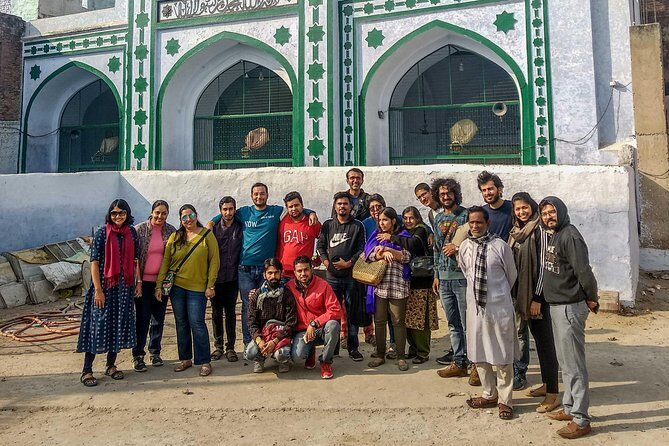
You meet at Jama Masjid Agra, in the old-city area near Subash Bazar, Kinari Bazar, and Hing ki Mandi (the address is Jama Masjid, Subash Bazar, Kinari Bazar, Hing ki Mandi, Mantola, Agra, Uttar Pradesh 282003). Starting here matters. Jama Masjid is a big visual landmark, but it also sets the tone for the walk: you’re stepping into a neighborhood built around community life, not just tourism routes.
From the start, the tour is designed for a comfortable rhythm. It’s private—so it’s only you and your group—and you can move at your preferred pace. That matters in Agra, where you’ll often be sharing lanes with local traffic and shop activity. You can also ask your guide for photo help, which is useful because old city streets can be tricky: you want the best angle, not just random snapshots.
The walk also crosses multiple cultural spaces. Along the way, you’ll see stops tied to different traditions and settings, and your guide should connect the dots so it feels like one story rather than a list of unrelated sights. Expect a guided walk that includes both short readings and a lot of context as you go.
Practical detail: the tour is near public transportation, which gives you options if you want to pair it with other old-city experiences earlier in the day.
Mirza Ghalib’s birthplace: late Mughal Urdu in context
A big anchor of the walk is Mirza Ghalib’s Birthplace. This stop isn’t presented as a long museum visit; it’s a focused way to understand how Ghalib fits into Urdu poetry’s rise during the late Mughal period. The guide gives a brief overview of his writing genre and how Urdu poetry gained momentum during that era.
What I like about this is that the explanation is tied to time. You’re not just learning who wrote what; you’re learning when the style and language started to shift. That helps you appreciate why the poetry sounded the way it did—because it grew in a real historical environment, not in isolation.
This is also where the walk’s private format pays off. If you’re curious about how Urdu changed across the Mughal period, or you want clarification on literary terms, you can ask. The strongest guides will keep it simple and then add just enough detail so it feels understandable, not like a lecture.
One more small bonus: because this is a walk-and-talk format, you can compare the idea of a poet’s birthplace with the reality of the neighborhood around it. Even if you’ve read about Ghalib before, seeing the idea of origin placed into Agra’s streets makes it feel more concrete.
Urdu calligraphy workshop: seeing letters become culture
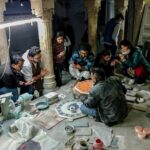
Next comes a calligraphy workshop that’s centered on Urdu script. This stop is valuable because it turns “language” from something abstract into something physical. Urdu calligraphy is not just decorative—it’s a visible system with its own structure and history.
The guide discusses how the development of language and literature took shape during Mughal rule, and the workshop helps you see why the visual side of Urdu mattered. Letters and writing styles carried meaning, status, and cultural identity. So when you learn about poets and poetry, this kind of stop gives your brain a handle: you’re connecting the words you hear to the way they were written and shared.
What you’ll appreciate here is pacing. It’s not hours of art class. You get enough to understand what makes Urdu calligraphy distinct and how it fits into the broader literary world. Then you’re back outdoors, walking again, with the poetry context refreshed.
If you’re the type who likes to leave with at least one “I’ll remember this forever” detail, this workshop is one of the best places to get it.
Nazir Akbarabadi on the silk-route shopping street
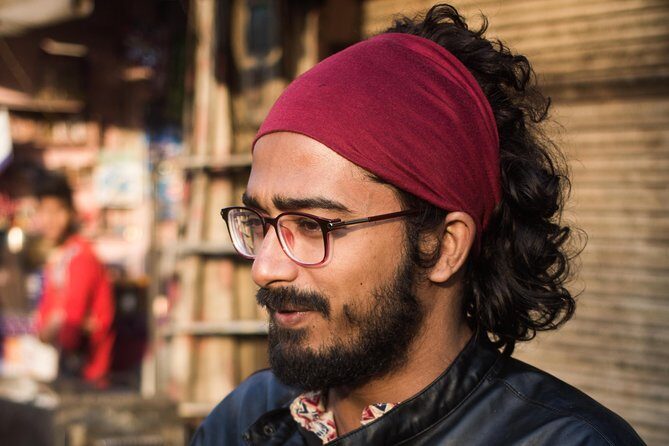
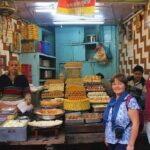
One of my favorite parts of this walk is the shift from poetic theory to city-life description. You’ll walk down a 16th-century shopping street that was once an important part of the silk route. That’s a big clue about what kind of city Agra was: a crossroads where goods, languages, and ideas moved through daily commerce.
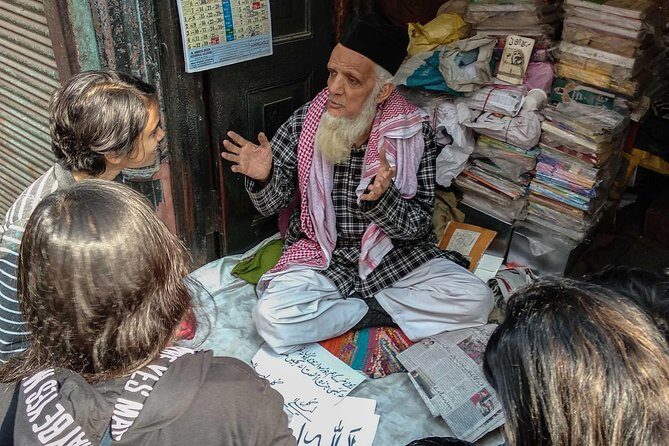
As you stroll, the guide reads a couple of verses by Nazir Akbarabadi and explains why they matter. Nazir Akbarabadi is known for documenting the city’s socio-economical details, which means his poetry can feel almost like a social snapshot—written with literary skill, but focused on real life.
This stop is one reason the tour works for first-timers. It gives you a practical way to understand a city. You’re not only learning about rulers or famous buildings; you’re getting a sense of people moving through trade lanes, shopping areas, and the rhythm of commerce. And because this is a walking tour, you’re experiencing the same general kind of street environment rather than just reading about it.
Photo note: the narrower street feel and close-up storefront views can make good pictures. The guide can help you time shots and find angles without slowing the whole group down.
Other city tours we've reviewed in Agra




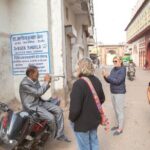

Khankhana Katra and Abdur Rahim Khankhana’s footprint
The walk continues to Khankhana Katra, a stop tied to Abdur Rahim Khankhana. This is listed as a free-admission site, and it’s treated as a literary marker within the neighborhood.
What you can expect here is another dose of context—how Khankhana fits into the larger world of Mughal-era learning and writing, and how his name connects to the place you’re standing in. Even if you don’t know him yet, the guide should help you place him in the Urdu and Persian-influenced intellectual ecosystem of the period.
This is also a good “breather” moment. After longer explanation stops like the calligraphy workshop, Khankhana Katra keeps the pace moving while still giving you something meaningful to remember.
If you want a tour that ties the big names to real locations (not just headlines), this stop helps you feel that connection.
Price, pace, and value for your private guide
At $44.28 per person, this private poetry walk is priced in the range of a thoughtful guided experience rather than a full-day sightseeing package. The value comes from two things you actually get: a guide who can answer questions in real time, and a take-home handout with selected poetry verses and photographs.
The private format matters here because poetry is personal. Some people want a quick, light explanation. Others want to ask about why a phrase is written a certain way, or how the historical setting shaped the writing. A group tour can feel rushed. A private walk lets you slow down when something clicks—or move on when you’re done.
It also helps that the tour is only 2 to 3 hours. You’re not committing a whole day, but you still get multiple focused stops and thematic continuity. In a city where you could easily spend all your time on monuments, this is a compact alternative that adds a new layer of understanding.
You’ll also use a mobile ticket, which keeps things simple once you’re there.
Practical timing tips for a 5:00 pm start
The tour starts at 5:00 pm and is designed around the old city’s late-day feel. In that time window, light can be more forgiving for photos, and the streets often feel easier to navigate than peak midday heat.
Just be ready for the real-world side of Agra walking:
- The tour is listed for moderate physical fitness, so wear shoes you trust.
- It requires good weather, so plan for a rain-safe mindset.
- Confirmation is provided at booking time, and the activity is set as a private experience for your group.
If you’re the type who likes to pack your schedule tightly, I’d still keep some breathing room around this. A poetry walk has a “human pace,” not a clock-punching pace, and that’s the point. The guide can help with photos, but the walk stays best when you’re not rushing to the next thing.
Finally, if your priority is only major monuments and broad scenic views, this may feel like a different category of sightseeing. If your priority is culture and context—how Agra became the way it is—this is a great match.
Should you book this Agra poetry tour?
Book it if you want Agra to feel like more than a set of famous buildings. This private walk gives you a readable story through Urdu poetry, with named poets, short verse readings, and cultural context you can carry home.
Skip or rethink it if you hate walking, if you’re uncomfortable with moderate walking in the old city, or if you’re traveling at a time when weather can be unreliable. Also, if you’re only interested in monument-heavy itineraries, this will steer you toward literature and neighborhood life instead.
If you’re flexible on theme and you want a guide-led path that actually connects words to streets, this is a strong bet—and the private format keeps it from turning into a generic lecture.
FAQ
How long is the poetry walk in Agra?
It runs about 2 to 3 hours.
Where does the tour start and end?
The tour starts at Jama Masjid in Agra and ends back at the meeting point.
Is this tour private?
Yes, it’s a private tour/activity, and only your group participates.
What ticket format will I receive?
You’ll receive a mobile ticket.
Can I cancel if plans change or weather is bad?
You can cancel for a full refund up to 24 hours before the experience starts. The tour also requires good weather, and if it’s canceled due to poor weather you’ll be offered another date or a full refund.
What do I get at the end of the walk?
You take home a handout with selected poetry verses and photographs.