REVIEW · AGRA
Story of Spices- A Food Tour of Agra
Book on Viator →Operated by Agra Heritage Walks · Bookable on Viator
Spices can do more than flavor. This Agra walk turns lanes, stalls, and old shops into a story you can taste, from Braj snacks to Mughlai meat dishes. I really like how the route focuses on places you’d likely miss on your own, like Rawatpada’s older spice shops and the sort of street corners where the city’s food culture still feels local.
What makes it especially good is the human touch. Guides like Kaleem and Tahir bring the history to life with hands-on explanations and even creative storytelling (one guide uses poetry to connect food with place), not just a list of foods. I also like the mix of tasting and context, including Satvik cooking ideas without onion/ginger/garlic.
One consideration: it’s a walking tour with a moderate physical fitness level, and you’ll be moving between multiple food stops. If you hate crowds or long walks, you might want to plan downtime afterward rather than stacking sightseeing right after.
In This Review
- Key things you’ll notice on this Story of Spices tour
- A 4:00 pm Agra spice walk that feels like the real city
- Rawatpada spice lanes and the Satvik-style Braj tastings
- The 16th-century market street: snacks, spices, and community mixing
- Three generations of soda shops and the spice behind the refresh
- Flute at a 17th-century pathway: why Mughal cuisine spread through craft
- Akbar’s kitchen Ministry and Mughlai meat at the local shop
- Lassi to close: your last story of spices
- What $41.70 really buys you in Agra food value
- Who this Agra spice tour is best for (and who might skip it)
- Practical tips before you go
- Should you book this Story of Spices tour?
- FAQ
- How long is the Story of Spices food tour in Agra?
- What time does the tour start, and where do we meet?
- Is this tour private or shared?
- How much does it cost?
- What kind of food and drinks will I try?
- Is there any live entertainment during the tour?
- Does the tour include history or just eating?
- Is the tour suitable for everyone in terms of walking?
- What if the weather is bad or the minimum number of travelers isn’t met?
Key things you’ll notice on this Story of Spices tour
- Old-city walking route that gets you into narrow lanes and market areas you might not stumble upon
- Braj food and Satvik (no onion/ginger/garlic) recipe stories tied to 170+ year-old food joints
- 16th-century market and silk-route street tastings, including pakoda/falafel style bites and indigenous sweets
- Three-generation soda shops where refreshing drinks come with spice-related backstories
- Live flute performance at a 17th-century pathway linked to Mughal culinary arts
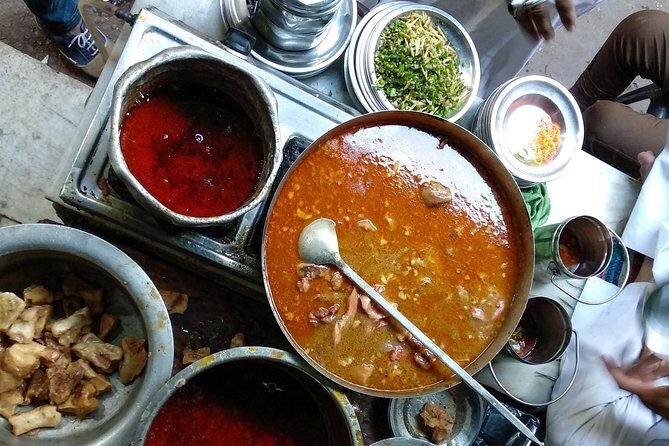
- Mughlai mutton stew stop plus an Akbar’s kitchen Ministry and feast-culture explanation, ending with lassi
A 4:00 pm Agra spice walk that feels like the real city
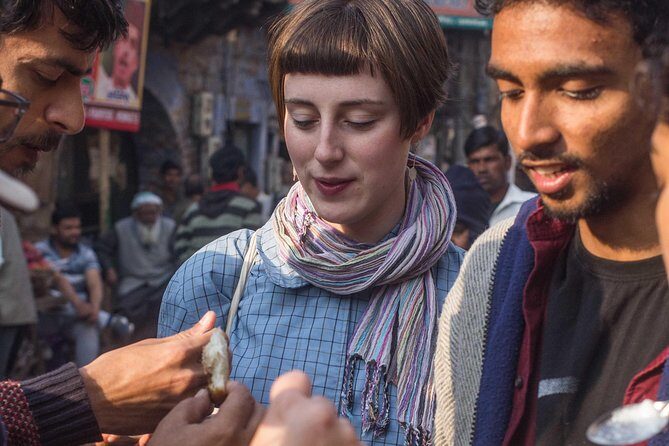
This tour starts at 4:00 pm and runs about 3 hours, with the meet-up around Subash Bazar / Kinari Bazar / Hing ki Mandi / Mantola in Agra. That timing is smart. Late afternoon in the old city tends to be active, but it’s not as punishing as the hottest midday hours. You’re also getting a mobile ticket, which helps keep things simple once you’re meeting your group.
It’s private, meaning only your group goes along. For a food tour, that matters more than people think. You can ask questions, and the guide can adjust the pace around your group’s comfort level. The stops are connected by walking, so you should plan for a few stretches on uneven or crowded streets.
The core idea is simple: Agra’s food isn’t just food here. It’s history, trade, and community mixing—told through spices and recipes you can actually taste.
Other street food and bazaar tours in Agra

Rawatpada spice lanes and the Satvik-style Braj tastings
The tour’s flavor story begins in the old parts of Agra where spices aren’t background. They’re part of the daily scene—think of older spice shops at Rawatpada and small food counters where smell leads before you even reach the door.
One of the standout promises is tasting Braj food at 170+ year-old food joints. Braj cuisine is associated with the region’s food traditions, and on this walk you’re not only sampling. You’re also learning a short history of the place and the recipe ideas behind Satvik food—specifically without onion, ginger, and garlic. Even if you’re not strictly vegetarian, this is useful knowledge. It helps you understand why some flavors show up in one style of dish and not another, and it gives you a way to recognize how cooks build depth using spices and technique rather than the usual aromatic base.
In practical terms, this stop segment sets your palate for what comes next. If you’re new to Indian spice flavors, the tasting here helps you notice the differences between mild warmth, deeper roasted spice notes, and the way different spice blends behave when paired with street-style breads or snacks.
The 16th-century market street: snacks, spices, and community mixing
After the older food joints, you shift to a 16th-century shopping street that once mattered in the silk route. That detail isn’t just trivia. It’s a clue about why Agra’s cuisine feels like it has layers: trade brought ingredients and ideas, then local communities adapted them into something unmistakably Agra.
Here you’ll hit what’s described as the oldest snack shop in the 16th Century Market area. The tasting includes pakoda/falafel-style bites and some indigenous sweets. You’ll also talk about spices and how they’re used in local cuisine—how a spice blend can change texture and taste depending on whether it’s frying, stuffing, coating, or sweetening.
One thing I appreciate: the guide is expected to connect food to acculturation. In plain terms, communities mixed over time, and their cooking methods and tastes blended. That’s why you can see traces of different influences in the same street or even the same dish family. It’s a good reminder that Indian food isn’t locked in time. It evolves while still keeping a recognizable identity.
If you’re the type who likes to order cautiously until you learn what you’re tasting, this is a friendly approach. You get small tastes first, then the bigger picture.
Three generations of soda shops and the spice behind the refresh
Mid-walk, you get a change of pace: three generation-old soda shops. You’ll taste refreshing drinks that keep a continued story of spices.
This stop is more than a break. In Indian street food culture, cool drinks often balance heat, spice, and digestion after fried or heavy bites. Here, the point is that these drinks have flavor logic, not just sweetness. You’re learning how spice shows up across the meal, not only in hot items.
You’ll likely find this portion especially useful if you’re traveling in warm weather. It gives your palate a reset. It also helps you keep tasting without getting overwhelmed—important on any food tour, but even more so when the route is focused on spice-forward foods.
Flute at a 17th-century pathway: why Mughal cuisine spread through craft
Then the tour adds a moment of performance: a live flute at a 17th-century pathway. The guide links this to how culinary art flourished during the Mughal era.
This might sound like entertainment first, but it actually plays a role in the meal story. Mughal food culture is known for technique, feasts, and kitchen organization. When a guide connects music and food arts, it helps you understand that cooking here wasn’t only household work. It was also a form of cultivated skill.
If you’re someone who learns best through atmosphere—visuals, sound, and a sense of place—this is the kind of stop that sticks. It turns the “what” of spices into a “how and why” about the people who built the cuisine and the social role of meals.
Other food & drink experiences in Agra



Akbar’s kitchen Ministry and Mughlai meat at the local shop
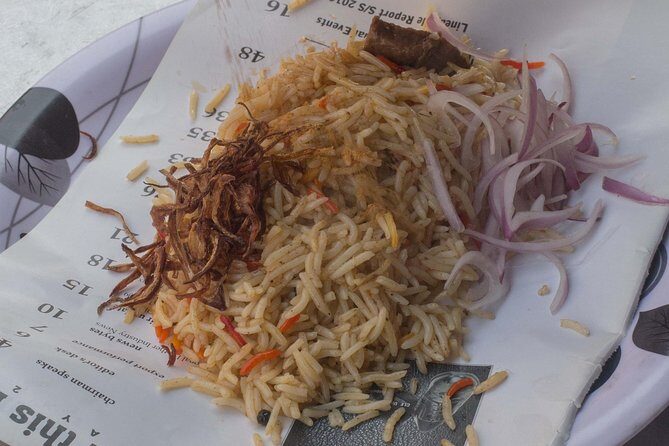
Next comes one of the tour’s most direct Mughlai experiences: a stop at a local meat shop for authentic Mughlai-style food, including the famous mutton stew associated with Pakiza Meat Shop. The guide explains Akbar’s kitchen Ministry and the importance of feast culture in Mughal tradition.
This is where the spice story shifts from street snacks into the deeper, slower-cooked flavors associated with Mughlai cuisine—often richer spice layering, more aroma, and cooking methods that build complexity over time. Even if you don’t eat meat often, the explanation helps you understand why Mughlai flavor can feel different from everyday street food. The spices tend to be used for warmth and aroma, then carried through with technique.
Also, this stop is great for context: feast culture wasn’t just eating a lot. It meant a system. The idea of a kitchen ministry points to organized craft—people trained for specific roles, recipes refined, and big meals treated like events. When you combine that with the spices you already tasted earlier, you start noticing how cooks use similar ingredients in different ways depending on the dish style.
One caution: this part is naturally heavier. Plan to walk afterward at a steady pace, not sprint across the city. If you have sensitive digestion, you might want smaller portions at the meat stop and let your soda and lassi later balance things out.
Lassi to close: your last story of spices
The tour ends with freshly made lassi. That’s a classic finish, and it makes sense here. Lassi cools and calms your palate after stronger spices and richer Mughlai flavors.
You also get a final “story of spices” wrap-up feel, which helps the meal land as a whole experience rather than separate tastings. By the time you’re at the end, you’ve gone from older Braj food places and silk-route street influences into Mughal culinary craft—and you’ve tasted the links along the way.
If you’re planning the rest of your evening, schedule something easy after. You’ll likely be full, pleasantly tired, and in a great mood to keep walking slowly.
What $41.70 really buys you in Agra food value
At about $41.70 per person for roughly three hours, the value depends on how you think about food tours. If you’re simply paying for snacks, it’s not a steal. If you’re paying for a guided old-city route plus multiple tastings plus history tied to each stop, it’s strong value.
What you’re paying for, in practical terms:
- a private group format
- multiple distinct food and drink experiences (Braj tastings, pakoda/falafel-type bites, indigenous sweets, soda drinks, Mughlai meat stew, and lassi)
- guide-led storytelling that connects spices to places and historical influences
It’s also worth noting that you’re not locked into one cuisine. You get a range: Satvik food concepts, local snack culture, Mughal meat dishes, and regional drinks. That variety makes it easier to judge Agra’s food beyond just one style.
Who this Agra spice tour is best for (and who might skip it)
This is a great fit if you:
- love food tours that teach you why a dish tastes the way it does
- want more than Taj Mahal sightseeing and prefer the old-city streets
- enjoy guided storytelling—especially with locals who know the neighborhoods
- want a private experience rather than a large group
It might not be ideal if you:
- don’t handle walking well (the tour requires a moderate fitness level)
- hate tasting meat dishes (the Mughlai portion is part of the planned stops)
- want a slow, sit-down meal day rather than moving between multiple counters
Practical tips before you go
- Start time is 4:00 pm. Wear comfortable shoes you trust on old-street walking.
- Bring cash or a light payment plan only if your guide asks for it at a stop. The tour data emphasizes mobile tickets for the experience itself, but food tours sometimes handle extra items case by case.
- If you follow dietary restrictions, ask your guide about the Satvik concept early. You’re told you’ll learn about Satvik cooking without onion/ginger/garlic, which can help you navigate choices more confidently.
- Bring water. Your drink stops include soda and lassi, but it’s still a good idea to stay comfortable while walking.
Should you book this Story of Spices tour?
If you want Agra that goes beyond the postcard, this is one of the better ways to do it. You get a guided route through older neighborhoods, a real focus on spices, and tastings that match the stories: Braj food and Satvik cooking ideas, 16th-century market snacks, three-generation soda shops, a live flute moment tied to Mughal culture, then Mughlai meat and lassi to finish.
For the price, it feels like a smart deal if you enjoy learning while eating. The only real reason to skip is if walking is a struggle or if meat dishes don’t fit your plans.
Book it when you have a smooth evening afterward and you’re ready for a food-focused tour that actually explains what you’re tasting.
FAQ
How long is the Story of Spices food tour in Agra?
It lasts about 3 hours.
What time does the tour start, and where do we meet?
It starts at 4:00 pm. The meeting point is around Subash Bazar, Kinari Bazar, Hing ki Mandi, and Mantola, Agra, Uttar Pradesh 282003.
Is this tour private or shared?
It’s private. Only your group will participate.
How much does it cost?
The price is $41.70 per person.
What kind of food and drinks will I try?
You can expect Braj food at 170+ year-old food joints, Satvik (without onion/ginger/garlic) food recipe information, tastings at the oldest snack shop in the 16th Century Market, pakoda/falafel-style bites and indigenous sweets, drinks from three-generation soda shops, Mughlai-style mutton stew at a local meat shop, and freshly made lassi to finish.
Is there any live entertainment during the tour?
Yes. There is a live flute performance at a 17th-century pathway.
Does the tour include history or just eating?
There’s both. You’ll get brief history and spice-and-cuisine explanations tied to each stop, including the Mughal connection and Akbar’s kitchen Ministry and feast culture.
Is the tour suitable for everyone in terms of walking?
It’s for people with a moderate physical fitness level, since it’s a walking tour.
What if the weather is bad or the minimum number of travelers isn’t met?
This experience requires good weather. If canceled due to poor weather, you’ll be offered a different date or a full refund. If the minimum number of travelers isn’t met, you’ll also be offered a different date/experience or a full refund.