REVIEW · AGRA
Taj Mahal & Agra Fort Fatehpur Sikri Tour By Car and guide
Book on Viator →Operated by Trip taj mahal india · Bookable on Viator
One day in Agra, three Mughal masterpieces. This private car tour with a guide is built for steady pacing, starting with the Taj Mahal and continuing to Agra Fort. A key consideration: entrance fees for Taj Mahal and the fort are not included by default, so you may need an optional add-on.
Fatehpur Sikri gives you the quick wow of an unfinished-feeling city that was once a Mughal capital, and you also get a hands-on look at local marble work. If you’re matched with a guide like Sunil, Musharraf, or Hilal, you’ll likely get clear explanations and time for questions, plus bottled water to keep the day comfortable.
In This Review
- Key highlights at a glance
- Why this Agra car tour works when your time is tight
- Taj Mahal: what to plan for, ticket reality, and what to notice
- Agra Fort: the fortress layer most people miss
- Fatehpur Sikri: the City of Victory and why the time feels different
- Marble handicrafts stop: useful for souvenirs, risky for pressure
- Guides and drivers: the difference between a tour and a day that makes sense
- What the $8 price really covers, and what you might pay extra
- Timing and pacing: how to avoid a “photo sprint” day
- Who should book this tour (and who might not)
- Should you book the Taj Mahal & Agra Fort & Fatehpur Sikri car tour?
- FAQ
- How long is the Taj Mahal & Agra Fort Fatehpur Sikri tour?
- Are pickup and drop-off included?
- Is this tour private or shared?
- What transportation do I get?
- Is the entrance fee for Taj Mahal included?
- What about Agra Fort entrance fees?
- Is Fatehpur Sikri admission included?
- Is the marble handicrafts stop free?
- Is food included in the tour price?
- Is there a cancellation option?
- Do I receive tickets on my phone?
Key highlights at a glance
- Private AC car and driver means fewer hassles inside Agra traffic.
- A real guide helps you understand what you’re seeing, not just where to stand.
- Taj Mahal + Agra Fort in one day is a time-saver if you’re stopping through.
- Fatehpur Sikri free admission in the plan keeps costs easier to manage.
- Optional monument tickets let you choose whether to pay at booking or on-site.
- Marble handicrafts stop shows how inlay work and souvenirs are made.
Why this Agra car tour works when your time is tight

Agra can eat hours fast, mostly because getting around takes planning. This is designed to solve that problem: you get a private AC car, a driver, and a guide who keeps you moving between the big sights without turning the day into a scramble.
I also like the format because it gives you both scale and context. You get the emotional drama of the Taj Mahal, then the thicker, fortress-on-a-hill reality of Agra Fort, then the weirdly quiet feeling of Fatehpur Sikri.
The only watch-out is money clarity. The price is low for the tour service itself, but monument entrance fees can be an optional extra depending on what you choose.
Other Taj Mahal tours we've reviewed in Agra



Taj Mahal: what to plan for, ticket reality, and what to notice
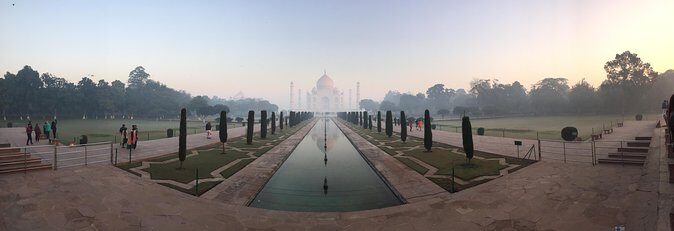
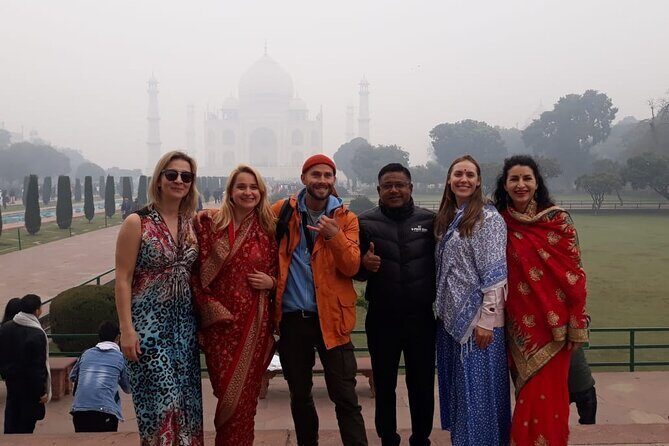
The Taj Mahal is the reason most people come to Agra. You’ll have around two hours for it, which is just enough time to see the main complex at a relaxed pace if you manage your expectations and your photos.
The big practical thing: Taj Mahal admission is not included unless you add the monument entrance fee option. If you want fewer questions on arrival, consider adding the entrance tickets ahead of time so you’re not timing your decision while standing in a line.
What I think is worth your attention is how the guide’s explanations change the experience. When guides like Musharraf explain details clearly and answer questions directly, you tend to look longer at the features you might otherwise rush past. It’s the difference between seeing a famous building and understanding why it looks the way it does.
A tip that’s simple but useful: plan for heat and crowds. Even with a guided schedule, your pace inside the complex may slow down near the most photographed areas. If your guide suggests a good moment to move between viewpoints, follow it.
Agra Fort: the fortress layer most people miss
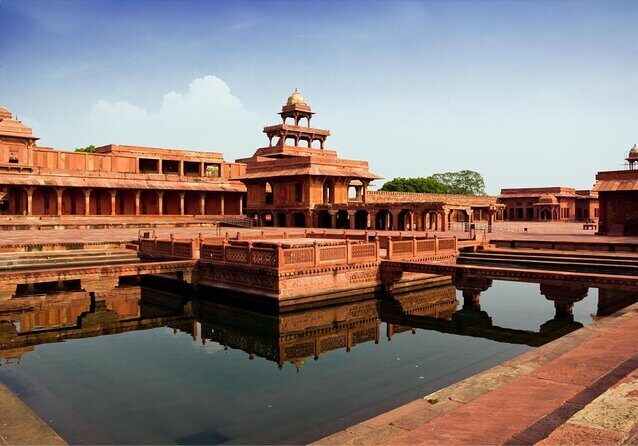
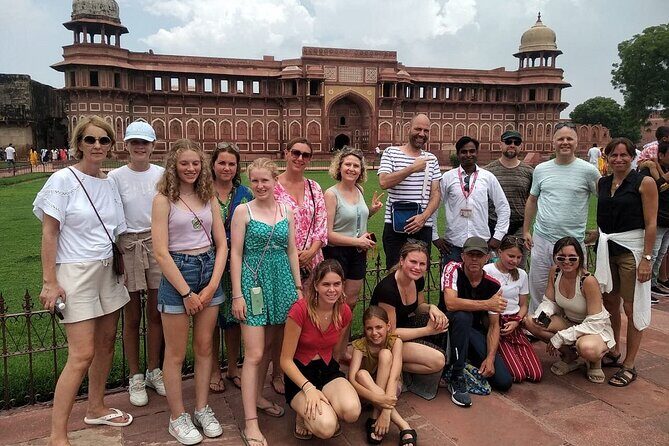
Agra Fort isn’t just walls and gates. Inside, it’s a whole organized world—courtyards, mosques, and private chambers tucked into the fort complex. You’ll get about two hours here, which is enough time to get oriented and then focus on the areas your guide highlights.
Like the Taj Mahal, Agra Fort entrance isn’t included by default. The tour gives you the structure of the day either way, but the cost can shift depending on whether you select the monument fee add-on.
The reason Agra Fort pairs well with the Taj is that they tell different stories. Taj Mahal is the grand, public-looking symbol people remember. Agra Fort shows how power actually worked—spaces for movement, worship, administration, and private life within a fortified boundary.
When you have a guide who explains what you’re seeing, the fort starts to make sense quickly. One strong pattern from past experiences: guides who answer questions well tend to help you connect design choices to the Mughal world you’re trying to understand. If your guide is chatty in a good way, let them lead.
Fatehpur Sikri: the City of Victory and why the time feels different
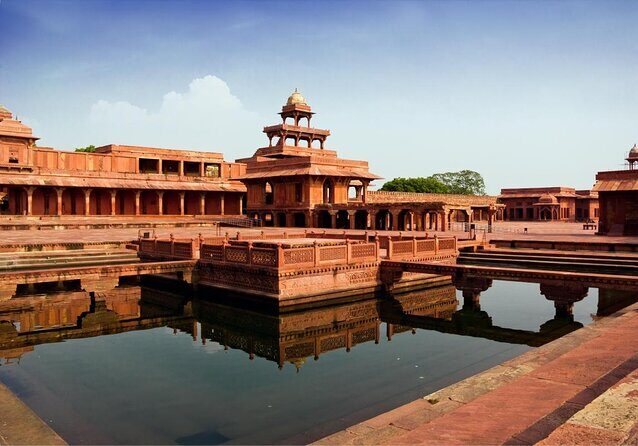
Then you move to Fatehpur Sikri, often described as the City of Victory. This is one of those places where the scale feels bigger than you expect, even though it’s largely an abandoned capital now.
In your plan, Fatehpur Sikri is the long stop—about four hours—and it’s listed as admission free. That makes it a relief on budget, and it also gives you more flexibility to slow down, wander, and really look.
The key value here is contrast. Instead of a living monument complex, you’re walking through a site that carries the atmosphere of a place that stopped operating. That “pause” makes it easier to notice how the architecture sits in relation to the rest of the city plan.
Also, if you’re the type who likes to ask why things were built a certain way, you’ll probably enjoy this stop. Guides with a true passion for Mughal architecture tend to do better here because the details reward attention.
Marble handicrafts stop: useful for souvenirs, risky for pressure

There’s a marble handicrafts stop included for about one hour. It’s built around local inlay-style artwork—handmade marble work and rug-related craft demonstrations. Even if you don’t plan to buy, it’s a useful way to understand what you’re seeing later in shops around Agra.
Important reality check: shopping stops can turn into pressure situations if you’re not ready for it. Some people experience heavy sales pushes from locals trying to sell souvenirs at higher prices. If you want this stop, go with a clear mindset: treat it as a viewing stop first.
My practical advice is to set a simple rule before you enter. Decide what you’ll consider—like a small item rather than a big purchase—or decide you’ll browse only. Then stick to it even if someone keeps adjusting the price. Your guide can help you keep things respectful and moving.
If you do buy, ask questions about the craft and what’s actually handmade versus what’s mass-produced. The value isn’t just the product—it’s understanding the process enough that your purchase feels intentional.
Other Agra Fort tours we've reviewed





Guides and drivers: the difference between a tour and a day that makes sense
This kind of day is only as good as the human details. The tour includes a private guide, and the strongest feedback pattern from real experiences is how much clarity good guides bring.
Names you might hear from past tours include Musharraf for strong explanations at Taj Mahal, Hilal for detailed history and Mughal architecture storytelling, and Sunil for attentive hosting—meeting people at stations and coordinating plans. When guides do well, they don’t just recite facts. They answer questions and help you connect what you’re seeing to the bigger Mughal story.
Drivers matter too, because this is an all-day schedule. A reliable driver helps keep the day calm, especially when you’re moving between sites in changing traffic. And hotel or station pickup is a big deal in Agra, where getting yourself to the right start point can cost you time.
You also get bottled water included, which sounds small but helps when you’re in the sun and walking more than you expected.
What the $8 price really covers, and what you might pay extra
The stated price is $8.00 per person, and that’s for the tour experience. In other words, you’re paying for the private car, guide, and logistics—not necessarily paying entrance fees for every monument.
Here’s how the cost picture is framed:
- Taj Mahal and Agra Fort entrance are listed as not included by default.
- An optional monument entrance add-on is available (listed as $30.00 per person).
- Fatehpur Sikri is listed as free admission in the plan.
- The marble handicrafts stop is listed as admission free.
So the value equation depends on what you choose for monument tickets. If you want everything handled in advance, the optional add-on can simplify your day. If you’re budgeting tightly and you’re comfortable handling ticket purchases separately, you may be able to keep costs lower.
Also look at “included” items. The tour includes all fees and taxes in the package, plus pickup/drop-off from your Agra hotel/airport/railway station, plus a private guide and an AC vehicle. In a city where logistics can be stressful, that bundle can be worth more than the headline price suggests.
Timing and pacing: how to avoid a “photo sprint” day
Your day runs roughly 8 to 10 hours. Each major site has a planned block of time: about two hours for Taj Mahal, two hours for Agra Fort, and about four hours for Fatehpur Sikri, with the marble stop taking around one hour.
That’s a lot of movement, so the win is having a guide who helps you choose where to spend your attention. If you try to see everything without guidance, you’ll likely bounce between spots and end up tired and disappointed.
A good rule: treat the two main monuments (Taj Mahal and Agra Fort) as “quality over quantity.” Pick your main viewpoints, listen to what your guide says, then give yourself time to just stand and look.
If you get a guide who provides picture help or points out the best areas for photos, that’s practical value. You don’t want to waste your limited time guessing where the best angle is.
Who should book this tour (and who might not)
This tour is ideal if:
- You want a private day with pickup and drop-off.
- You only have one day in Agra and want the big Mughal sites.
- You appreciate a guide who explains history clearly and answers questions.
- You prefer an AC car to keep the day manageable.
You might reconsider if:
- You strongly dislike shopping stops, even low-pressure browsing can feel annoying.
- You want to spend more time at each site than the schedule allows.
- You don’t want to think about ticket options at all (in that case, confirm your entrance-fee plan before you go).
Should you book the Taj Mahal & Agra Fort & Fatehpur Sikri car tour?
If your goal is to see the essentials with less friction, I’d say yes—especially if you like having a guide who can translate what you’re looking at. The private AC car, station/hotel pickup, and the way the day is structured around three major stops make it a strong one-day solution.
But go in with one clear decision: how you’ll handle monument entrance fees for Taj Mahal and Agra Fort. If you plan around that, the day feels smooth and worth it. If you don’t, you may end up negotiating a surprise cost while you’re already in sightseeing mode.
FAQ
How long is the Taj Mahal & Agra Fort Fatehpur Sikri tour?
The duration is about 8 to 10 hours.
Are pickup and drop-off included?
Yes. Pickup and drop-off are included from your Agra hotel, airport, or railway station.
Is this tour private or shared?
It’s a private tour/activity, so only your group participates.
What transportation do I get?
You’ll have a private AC car with a driver.
Is the entrance fee for Taj Mahal included?
No. Taj Mahal entrance is listed as admission ticket not included (unless you choose the optional monument entrance fee add-on).
What about Agra Fort entrance fees?
Agra Fort admission is also listed as not included by default.
Is Fatehpur Sikri admission included?
Fatehpur Sikri is listed as admission ticket free in the plan.
Is the marble handicrafts stop free?
Yes. The marble handicrafts stop is listed as admission ticket free.
Is food included in the tour price?
Meals/food are not included.
Is there a cancellation option?
Yes. Free cancellation is available up to 24 hours in advance for a full refund.
Do I receive tickets on my phone?
Yes. The tour includes a mobile ticket.